Thirty-six nations and the EU commit to tribunal prosecuting Russia for Ukraine war crimes.
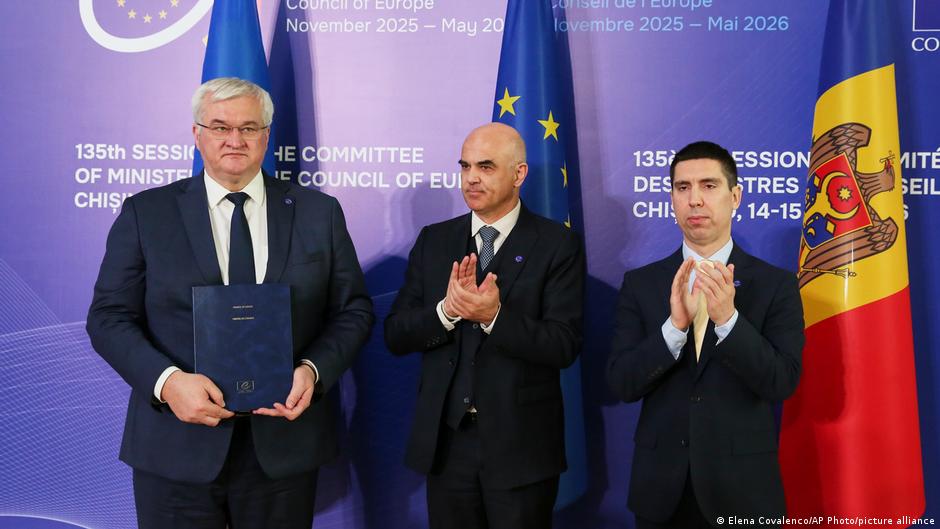
- Thirty-six countries including EU sign tribunal agreement
- Framework discussed during Moldova talks Friday
- Legal enforcement details remain unspecified
More than 30 countries including the European Union have signed up to establish a special tribunal targeting Russia for alleged war crimes in Ukraine, officials announced Friday following negotiations in Chisinau, Moldova. The agreement, signed by 34 European nations plus Australia and Costa Rica, marks a formal step toward legal action against Russian officials and military leaders implicated in crimes committed since the 2022 full-scale invasion.
The initiative originated shortly after Russia’s invasion and gained momentum last year when Ukrainian President Volodymyr Zelenskyy signed an accord with the Council of Europe, a human rights body based in France. Most of the council’s 46 member states approved a resolution in March laying the legal groundwork for the tribunal, the organization said in a statement.
‘The time for Russia to be held to account for its aggression is fast approaching,’ Council of Europe Secretary General Alain Berset said during the talks. The tribunal aims to prosecute senior Russian officials and military commanders for crimes including aggression, war crimes, and crimes against humanity linked to the invasion. Ukraine, a council member, is also involved in the planning.
How the tribunal would work
The structure, jurisdiction, and enforcement mechanisms of the tribunal remain unclear. Unlike the International Criminal Court (ICC), which has issued an arrest warrant for Russian President Vladimir Putin in absentia, a special tribunal would focus specifically on the crime of aggression—a charge not currently within the ICC’s jurisdiction for Ukraine.
Legal experts say such a tribunal could rely on a treaty signed by participating nations, giving it authority to issue indictments and coordinate arrests through national legal systems. However, the absence of Russia’s participation and the lack of a UN Security Council mandate pose significant challenges. Russia has dismissed the ICC’s actions as politically motivated and is unlikely to cooperate with any new tribunal.
The agreement signed Friday is a political commitment rather than a binding legal framework. Negotiators from the Council of Europe and signatory states are expected to finalize the tribunal’s structure, jurisdiction, and funding within the next six to twelve months. The tribunal could operate with support from existing international courts, including the ICC and the United Nations (UN).
International support grows
The announcement follows growing global calls for accountability. The United States, though not a council member, has signaled support for efforts to hold Russia accountable. The U.S. State Department has previously called for a tribunal-style mechanism to address Russia’s actions in Ukraine. Meanwhile, Canada and Japan have also expressed interest in joining the initiative.
The tribunal could face legal hurdles, including questions of immunity for heads of state and the enforceability of judgments abroad. Some legal scholars argue that without Russian participation or UN backing, any rulings may have limited practical impact. Others believe the symbolic value of the tribunal could strengthen international pressure on Moscow.
What happens next will depend on how quickly signatory nations can agree on legal and operational details. A draft statute and funding model are expected to be presented at the Council of Europe’s next ministerial session in June. If successful, the tribunal could set a precedent for future accountability mechanisms in conflicts where traditional international courts face jurisdictional limits.
What You Need to Know
- Source: Deutsche Welle
- Published: May 15, 2026 at 15:35 UTC
- Category: World
- Topics: #europe · #world-news · #war · #ukraine · #russia
Read the Full Story
This is a curated summary. For the complete article, original data, quotes and full analysis:
All reporting rights belong to the respective author(s) at Deutsche Welle. GlobalBR News summarizes publicly available content to help readers discover the most relevant global news.
Curated by GlobalBR News · May 15, 2026
Related Articles
- Trump urges Taiwan to avoid independence amid rising China tensions
- Xi gives Trump private tour of secret garden in Beijing
- 🎉 100 Articles in World!
🇧🇷 Resumo em Português
O mundo assiste, atônito, à escalada de violência na Ucrânia, mas uma coalizão inédita de 36 países e da União Europeia acaba de dar um passo decisivo para transformar a impunidade em justiça. Ao anunciarem o apoio à criação de um tribunal especial para julgar possíveis crimes de guerra cometidos pela Rússia desde o início da invasão, em fevereiro de 2022, esses governos enviam um recado claro: não haverá espaço para a barbárie sem consequências, mesmo em meio a um conflito que já deixou milhares de mortos e milhões de deslocados.
O anúncio reacende discussões sobre accountability no cenário internacional, especialmente para o Brasil, que mantém uma posição de neutralidade cautelosa em relação ao conflito e abriga uma das maiores diásporas ucranianas do mundo. Enquanto o Supremo Tribunal Internacional (STI) já investiga casos de genocídio e crimes contra a humanidade, o novo tribunal proposto — ainda em fase de desenho jurídico — poderia complementar esses esforços, criando um mecanismo ad hoc para julgar alvos específicos, como a deportação forçada de crianças ucranianas. A participação de nações como Canadá, Japão e até mesmo a Suíça, tradicionalmente neutras, sinaliza que a pressão por condenações não se limita à esfera ocidental, mas ganha contornos globais, algo que interessa diretamente ao Brasil em sua política externa de não alinhamento.
Ainda pairam dúvidas sobre como esse tribunal funcionaria na prática — desde sua jurisdição até a execução de prisões, já que a Rússia, obviamente, não aderiu ao projeto — mas o movimento acende uma luz no fim do túnel para as vítimas e seus familiares. Se a comunidade internacional conseguir costurar os detalhes legais, o caso pode se tornar um precedente histórico, não apenas para a Ucrânia, mas para futuros conflitos onde a justiça tardia é a única opção.
🇪🇸 Resumen en Español
El mundo da un paso histórico al impulsar un tribunal internacional para juzgar a Rusia por los crímenes de guerra cometidos en Ucrania, en un gesto sin precedentes que refuerza la presión legal sobre el Kremlin. La coalición, formada por 36 países y la Unión Europea, busca establecer un marco jurídico para perseguir las atrocidades documentadas durante la invasión, aunque los mecanismos concretos de aplicación aún están por definir.
Este movimiento responde a la impunidad que ha rodeado hasta ahora las acciones rusas en Ucrania, donde organizaciones como la Corte Penal Internacional han emitido órdenes de arresto contra altos cargos del gobierno, incluyendo al presidente Vladimir Putin. Para los hispanohablantes, el caso subraya la importancia de mecanismos globales para defender el derecho internacional, especialmente en un contexto donde potencias como Rusia desafían abiertamente las normas establecidas. La iniciativa también plantea preguntas sobre la efectividad de la justicia transnacional cuando los acusados, como Putin, controlan el poder en sus países, lo que podría limitar su alcance real.
Deutsche Welle
Read full article at Deutsche Welle →This post is a curated summary. All rights belong to the original author(s) and Deutsche Welle.
Was this article helpful?

Discussion