Rhyl’s £20m youth program cuts crime 30% and trains 500 locals for jobs.
- Rhyl cut youth crime and drug use by 30% since 2022
- £20m investment funds jobs training for 500 under-25s
- Police patrols still target ‘Crackhead Circle’ and Wilko site
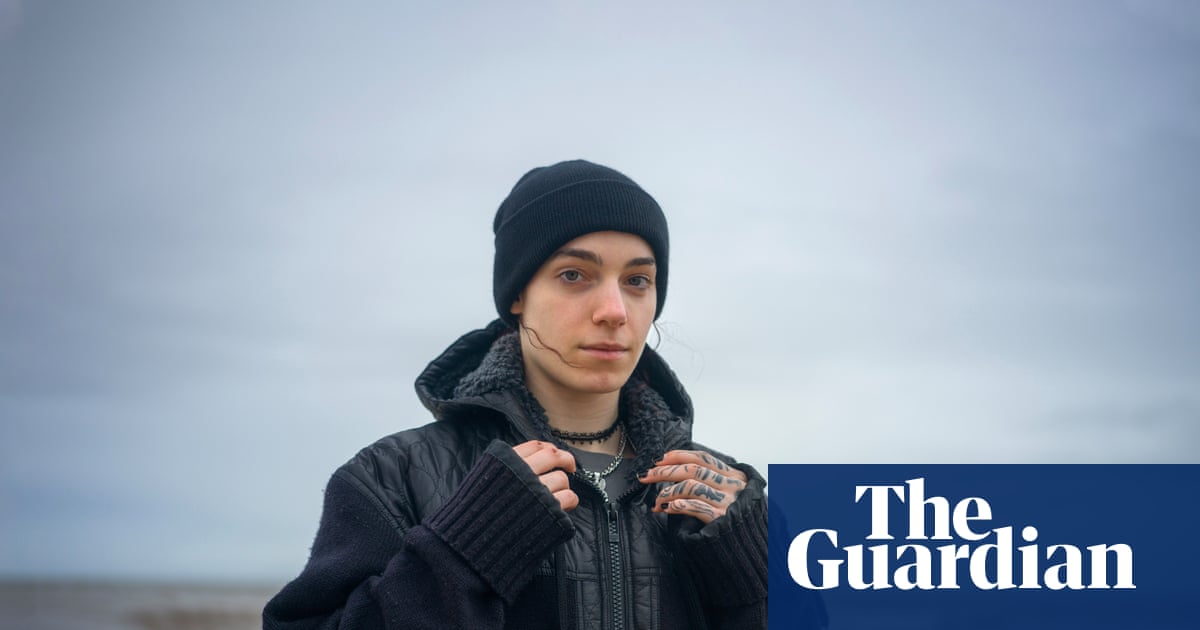
Sienna, 19, and Jake, 26, know Rhyl’s roughest corners better than most. The West Rhyl youth club regulars point out ‘Crackhead Circle’—a small garden behind the town hall where addicts gather in plain sight—and the abandoned Wilko storefront where police vans idle every 15 minutes. It’s a reminder that Rhyl’s drug problems haven’t vanished, but the town’s crime stats have. Since 2022, youth offending dropped 30%, and drug-related arrests fell by a fifth. Now, a £20m investment is betting on skills, not just policing, to keep turning the tide for young people here.
The cash comes from the UK government’s UK Shared Prosperity Fund, a post-Brexit scheme aimed at left-behind areas. Rhyl’s slice—£20m over three years—is split between three goals: getting 500 under-25s into qualifications, funding 200 apprenticeships, and upgrading community spaces like the youth club where Sienna and Jake hang out. The town’s Welsh Labour council runs it, but local charities like Cais (a community group) handle the day-to-day training.
From pool tables to paychecks
At the West Rhyl youth club, the pool table’s the same, but the vibe’s different. Two years ago, it was a hangout for kids skipping school; now, it’s where they sign up for City & Guilds courses in construction, hairdressing, or digital skills. Jamie, 21, left school with no qualifications and spent months working cash-in-hand jobs. “I couldn’t even write a proper CV,” he says. Now he’s halfway through a carpentry apprenticeship and earns £12 an hour. His boss, a local builder, says Jamie’s the first apprentice he’s kept on after training.
The program’s not just for school leavers. Mia, 24, worked in a chip shop for six years but got stuck on minimum wage. After a free six-week course in business admin, she landed a job at a Rhyl estate agent. “I never thought I’d leave the chip shop,” she says. “Now I’m saving for my own place.” The council tracks 180 people like Jamie and Mia who’ve moved from benefits or unstable work into steady jobs since 2023.
The shadow of ‘Crackhead Circle’
But Rhyl’s problems aren’t gone. ‘Crackhead Circle’ still sits in the middle of town, a daily reminder of the drug trade that fuels petty crime. Police say Project Renew, a year-long crackdown, has cut gang violence by half, but addicts still gather there. The Wilko site, now a charity shop, still attracts crowds, some of whom deal drugs. “You can’t just wave a magic wand,” says Detective Chief Inspector Huw Williams, who runs the project. “We’re making progress, but some areas need years, not months.”
The £20m won’t fix Rhyl overnight. The town’s deprivation score still ranks in the UK’s bottom 10%. Vacant shops line the high street, and young people say racism and lack of transport keep them from better-paying jobs in nearby Colwyn Bay or Llandudno. But the numbers tell a story: youth unemployment in Rhyl fell from 18% to 11% last year. The council’s goal? Get it below 8% by 2026.
What’s next for Rhyl’s revival
The real test starts now. The £20m runs out in 2026, and the council’s betting on local businesses to keep the momentum. So far, 40 Rhyl firms—from cafes to builders—have signed up to offer apprenticeships under the scheme. But some worry the training won’t match real job needs. A Rhyl café owner, who asked to remain anonymous, says, “We need people who can work nights and weekends, not just kids who want a 9-to-5.”
For Sienna and Jake, the change is personal. Sienna’s younger brother just started a mechanics course through the program, and Jake’s girlfriend is about to finish her childcare qualification. “It’s not perfect,” Jake says. “But for the first time in years, I see my mates with options.” The town’s future still hangs on whether those options turn into real, lasting careers—or if the old problems creep back in.
What You Need to Know
- Source: The Guardian
- Published: April 30, 2026 at 05:00 UTC
- Category: Environment
- Topics: #guardian · #climate · #environment · #crack · #rhyl · #killing
Read the Full Story
This is a curated summary. For the complete article, original data, quotes and full analysis:
All reporting rights belong to the respective author(s) at The Guardian. GlobalBR News summarizes publicly available content to help readers discover the most relevant global news.
Curated by GlobalBR News · April 30, 2026
Related Articles
🇧🇷 Resumo em Português
O norte do País de Gales respira alívio com um investimento de £20 milhões para tirar jovens de círculos de violência e drogas, mas o Brasil sabe bem que esse não é um problema apenas do outro lado do Atlântico. Enquanto Rhyl, uma cidade costeira do Reino Unido, comemora a queda nos índices de criminalidade juvenil, o Brasil segue lutando contra uma realidade semelhante em suas periferias, onde a falta de oportunidades empurra milhares de adolescentes para o crime organizado ou o tráfico de drogas.
A notícia ganha peso ao ser analisada sob a ótica brasileira, onde projetos sociais com foco em educação e esporte já demonstraram resultados positivos, como o caso do Fala Rapaz no Rio de Janeiro ou o Cidadão Presente em São Paulo. O investimento britânico, que vai desde centros de formação profissional até programas de saúde mental, reforça um modelo que o Brasil conhece na teoria, mas ainda enfrenta dificuldades para implementar em escala nacional. A pergunta que fica é: até quando o Brasil vai depender de soluções pontuais enquanto a desigualdade social alimenta novos ciclos de violência?
A lição de Rhyl é clara: quando o Estado assume um compromisso de longo prazo com a juventude, os resultados aparecem. Agora, resta saber se o Brasil terá a mesma coragem de investir não apenas em repressão, mas em transformação real.
The Guardian
Read full article at The Guardian →This post is a curated summary. All rights belong to the original author(s) and The Guardian.
Was this article helpful?

Discussion