NASA's 2026 moon landing depends on SpaceX's Starship and SLS rockets passing their tests.
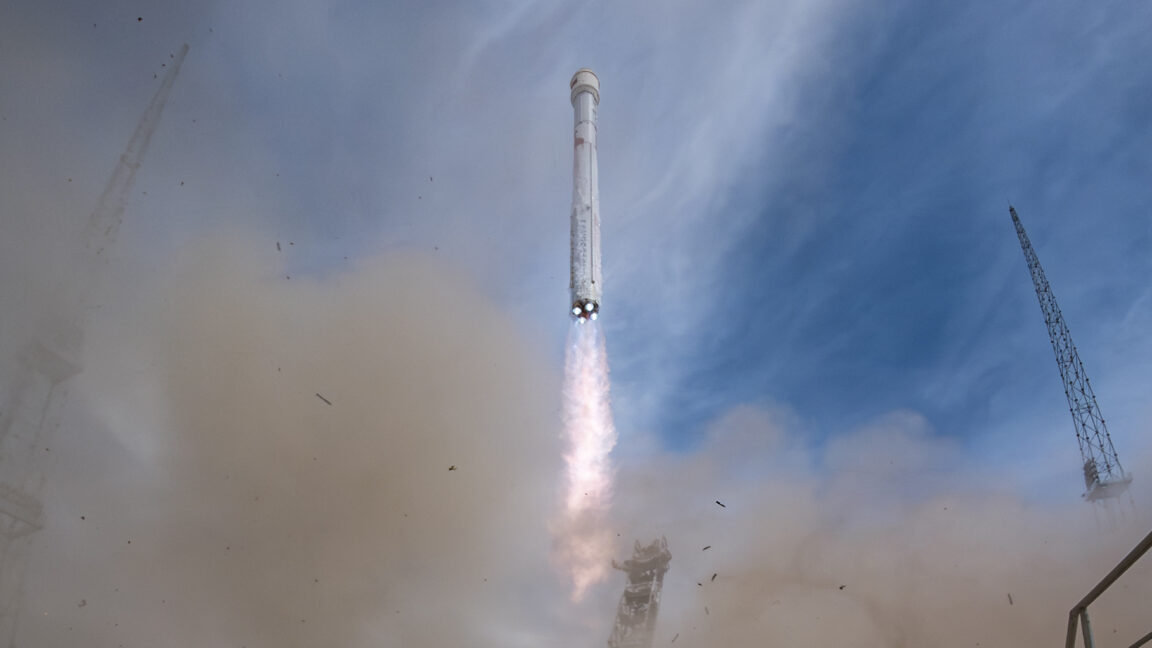
- NASA's Space Launch System (SLS) rocket is being assembled in Florida for Artemis III
- SpaceX is preparing its upgraded Starship Version 3 for liftoff from Starbase, Texas
- Blue Origin's New Glenn rocket and Blue Moon lander also factor into Artemis III plans
NASA’s Artemis III mission—the first attempt to land astronauts on the moon since 1972—now hangs on the performance of two rockets in final preparations. At Kennedy Space Center in Florida, engineers are putting the finishing touches on the third Space Launch System (SLS) rocket, designed to carry NASA’s Orion spacecraft toward lunar orbit. Meanwhile, 1,200 miles away at SpaceX’s Starbase facility in Boca Chica, Texas, crews are readying the first upgraded Starship Version 3 for its next test flight. Both vehicles must prove they’re reliable before astronauts can strap in for the mission, currently slated for no earlier than September 2026.
The stakes are higher than they’ve been in decades. The SLS, a heavy-lift rocket derived from the Space Shuttle’s technology, has flown twice—once without crew on Artemis I and again for Artemis II, which sent four astronauts around the moon and back. The next flight, Artemis III, will require the SLS to launch Orion into lunar orbit, where it will dock with SpaceX’s Starship Human Landing System (HLS). NASA awarded SpaceX a $2.9 billion contract in 2021 to develop Starship as the lunar lander, but the rocket has yet to complete a full orbital test flight without exploding. SpaceX’s latest prototype, Ship 30, is expected to attempt a 150-kilometer-high test flight this summer, a critical step before NASA will trust it with astronauts.
SpaceX’s Starship faces a make-or-break year
SpaceX’s Starship program has faced setbacks, but the company insists Version 3 is the version that will finally work. The upgraded design includes a simplified stainless-steel structure, more powerful Raptor engines, and a new hot-staging separation system where the second stage ignites before detaching from the booster. This method, called “hot staging,” is common in Russian rockets but hasn’t been used by an American rocket in decades. If successful, it could improve Starship’s payload capacity by up to 10%. The rocket’s previous test flights ended in fiery mid-air breakups, but SpaceX has made rapid progress in ground testing and shorter “hop” flights.
NASA’s Artemis timeline is already tight. The agency plans to launch Artemis III in 2026, but delays in either the SLS or Starship could push that to 2027 or later. Blue Origin, which lost the lunar lander contract to SpaceX, is still working on its own moon lander, Blue Moon, and its heavy-lift rocket, New Glenn. New Glenn is expected to make its debut flight later this year, but it won’t carry crew for at least a few more years. For now, NASA is relying almost entirely on SpaceX to deliver the lander that will bring astronauts down to the lunar surface.
Russia’s new ICBM proves it can hit anywhere in minutes
Separate from NASA’s moon plans, Russia conducted a successful test of its new RS-28 Sarmat intercontinental ballistic missile (ICBM) last week. The missile, codenamed “Satan 2” by NATO, lifted off from Plesetsk Cosmodrome in northern Russia and struck a target in Kamchatka, more than 3,500 miles away. Russian state media claimed the test showed the missile could evade enemy defenses and deliver multiple warheads to any point on Earth within 30 minutes of launch. The Sarmat is designed to replace the older RS-36M Voevoda missiles, some of which still date back to the Soviet era. Its range and payload capacity make it one of the most dangerous weapons in Russia’s arsenal, and analysts say it could force the U.S. to rethink its missile defense strategies.
The Sarmat’s test comes at a tense time in global security. The U.S. has been modernizing its own ICBM fleet, the Minuteman III, but the Sarmat’s sheer size—weighing over 200 tons and capable of carrying 10 or more warheads—gives it an edge in sheer destructive power. Unlike hypersonic missiles, which travel at speeds above Mach 5, the Sarmat is a traditional ballistic missile. But its ability to launch multiple independently targetable reentry vehicles (MIRVs) means a single missile can hit multiple cities or military sites. The test was the third successful flight of the Sarmat, and Russian officials say it will enter service with the Strategic Missile Forces by the end of 2024.
What happens next for space and Earth
For NASA, the next 12 months will be critical. If SpaceX’s Starship Version 3 passes its orbital test flight, NASA will likely greenlight its use for Artemis III. But if the rocket fails, the agency may have to reconsider its plans or rely on a backup. Meanwhile, the Pentagon will be watching Russia’s Sarmat deployment closely. The missile’s introduction could reignite arms race dynamics and push the U.S. to accelerate its own hypersonic and missile defense programs. For now, the world’s two most powerful rockets—and one of its deadliest missiles—are on the verge of making headlines in entirely different ways.
What You Need to Know
- Source: Ars Technica
- Published: May 15, 2026 at 14:24 UTC
- Category: Technology
- Topics: #arstechnica · #tech · #science · #war · #conflict · #rocket-report
Read the Full Story
This is a curated summary. For the complete article, original data, quotes and full analysis:
All reporting rights belong to the respective author(s) at Ars Technica. GlobalBR News summarizes publicly available content to help readers discover the most relevant global news.
Curated by GlobalBR News · May 15, 2026
Related Articles
- Trump Brand’s First Phone Finally Ships After 9-Month Holdup
- 🎉 100 Articles in Technology!
- AI learns new skills without forgetting old ones in breakthrough study
🇧🇷 Resumo em Português
A humanidade está prestes a viver um marco histórico com a missão Artemis III, da NASA, que promete não apenas levar astronautas de volta à Lua, mas também abrir caminho para uma presença humana sustentável no satélite natural — e o Brasil tem participação indireta, mas crucial, nesse feito. Enquanto o mundo observa os avanços da exploração espacial, dois foguetes, o SpaceX Starship e o SLS (Space Launch System), se tornam peças-chave para o sucesso da empreitada, com testes decisivos programados para esta semana. A pressão é grande, afinal, a missão não é apenas um passo científico, mas um símbolo de ambição global.
O Brasil, embora não esteja diretamente envolvido na construção dos foguetes, tem um papel estratégico no cenário espacial por meio do programa Artemis, que inclui acordos internacionais e a participação de empresas e instituições brasileiras em projetos de ciência e tecnologia. A Agência Espacial Brasileira (AEB) tem buscado fortalecer parcerias com a NASA, e a missão Artemis III representa uma oportunidade para o país ampliar sua presença no setor aeroespacial, além de incentivar o desenvolvimento de novas tecnologias e mão de obra especializada. Para os brasileiros, essa corrida espacial não é apenas um espetáculo distante, mas uma chance de ver o país se posicionar como um ator relevante no futuro da exploração do cosmos.
Se os testes dos foguetes Starship e SLS forem bem-sucedidos, a missão Artemis III poderá ser lançada já em 2026, marcando o retorno da humanidade à Lua e preparando o terreno para missões ainda mais ousadas, como a exploração de Marte.
🇪🇸 Resumen en Español
La NASA apuesta por la innovación privada para regresar a la Luna con la misión Artemis III, dependiendo críticamente del éxito de los cohetes Starship de SpaceX y el SLS. Este martes, la agencia espacial anunció avances clave en ambos sistemas, pero los plazos ajustados generan incertidumbre sobre el lanzamiento previsto para 2026.
El programa Artemis, que busca establecer una presencia sostenible en la Luna, afronta retos técnicos y logísticos que resuenan en el ámbito global, especialmente en Europa y Latinoamérica, donde la investigación espacial gana peso. Mientras el SLS, desarrollado por la NASA, acumula retrasos y sobrecostes, el Starship de SpaceX —con su enfoque reutilizable— promete reducir costes y acelerar la exploración lunar. Para los hispanohablantes, este hito no solo representa un avance científico, sino también una oportunidad para que el español se consolide como lengua de la ciencia espacial, al tiempo que despierta el interés por carreras STEM en la región.
Ars Technica
Read full article at Ars Technica →This post is a curated summary. All rights belong to the original author(s) and Ars Technica.
Was this article helpful?


Discussion