SpaceX unveils Starship V3 with 70m height boost, 100+ ton lunar payload and major structural changes.
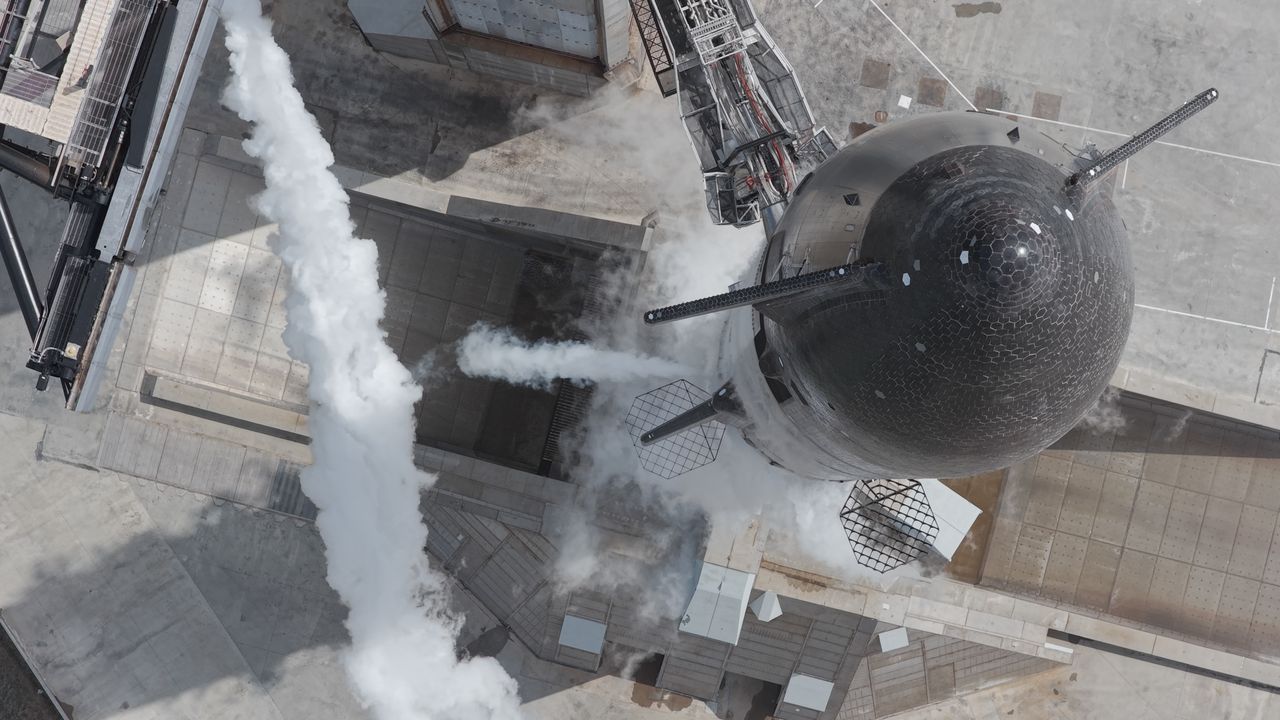
- SpaceX unveils next-gen Starship V3 with 70m height increase
- New design boosts payload to over 100 tons for lunar missions
- V3 features major structural and engine upgrades over earlier models
📰 Continuing coverage: SpaceX Starship V3 completes static fire ahead of Flight 12 test
SpaceX’s next-generation Starship rocket, identified as V3, has officially entered the spotlight with a dramatic redesign that sets it apart from its predecessors. The rocket stands 70 meters tall—an increase from earlier versions—and is engineered to carry more than 100 metric tons to the moon, according to company statements and technical documents reviewed by Space.com.
The V3 iteration represents a complete overhaul, not just an incremental update. Engineers have reconfigured the rocket’s structure, increased propellant capacity, and upgraded Raptor engines to improve thrust and efficiency. These changes are designed to support NASA’s Artemis program, which aims to return humans to the lunar surface by 2026.
Starship V3 vs. V1 and V2: What changed
Compared to the earlier V1 and V2 models, the V3 features a stretched upper stage, a reinforced booster, and a new interstage section that enhances engine performance during ascent. The vehicle’s diameter remains consistent at 9 meters, but the structural reinforcement allows for higher internal fuel loads and greater payload flexibility.
SpaceX has also refined the heat shield tiles and thermal protection system, addressing recurring issues seen in previous test flights. The company confirmed these upgrades during a May 11 launch rehearsal at Starbase in Boca Chica, Texas, where engineers conducted a full wet dress rehearsal with the V3 prototype.
Reusability remains a core focus
Like its predecessors, the V3 is designed for full reusability. The Super Heavy booster and Starship upper stage are both intended to return to Earth for recovery and reuse, reducing the cost of each mission. SpaceX has emphasized that rapid turnaround and low operational expenses are central to the V3’s design philosophy.
The company has not yet announced a target launch date for the V3’s first orbital test flight, but industry analysts expect it to occur within the next 12–18 months. The rocket’s increased capacity and reliability are expected to play a key role in supporting commercial and government lunar missions.
What’s next for SpaceX’s moon rocket
SpaceX plans to conduct additional ground tests and suborbital hops before proceeding to full orbital flights. Engineers are also preparing the orbital launch pad at Starbase for V3 operations, including upgrades to propellant storage and vehicle integration systems. If successful, the V3 could become the backbone of NASA’s lunar return efforts and enable new commercial ventures in deep space.
What You Need to Know
- Source: Space.com
- Published: May 14, 2026 at 14:00 UTC
- Category: Science
- Topics: #space · #astronomy · #nasa · #science · #starship · #spacex-starship-v3
Read the Full Story
This is a curated summary. For the complete article, original data, quotes and full analysis:
All reporting rights belong to the respective author(s) at Space.com. GlobalBR News summarizes publicly available content to help readers discover the most relevant global news.
Curated by GlobalBR News · May 14, 2026
🇧🇷 Resumo em Português
A SpaceX acaba de revelar os principais avanços da Starship V3, a nova geração de seu meg foguete projetado para viagens à Lua, prometendo uma revolução na exploração espacial com inovações que prometem superar os desafios das missões anteriores. Com 70 metros de altura e capacidade de transportar mais de 100 toneladas para a órbita lunar, a versão mais recente da Starship promete ser mais eficiente, segura e economicamente viável, marcando um salto tecnológico para a SpaceX e seus planos ambiciosos de colonização de Marte.
No Brasil, onde o interesse por ciência espacial tem crescido, especialmente após a recente participação do país em acordos com a NASA para missões lunares, a Starship V3 representa uma oportunidade única de acompanhar de perto os avanços que podem redefinir a presença humana no espaço. A capacidade de transportar cargas pesadas a custos reduzidos é crucial para o Brasil, que busca desenvolver sua própria indústria aeroespacial e fortalecer parcerias internacionais, como as que já mantém com a Agência Espacial Europeia (ESA) e a própria NASA.
O próximo passo será o lançamento da Starship V3, previsto para os próximos meses, que poderá consolidar a liderança da SpaceX no setor e abrir novas possibilidades para a exploração lunar e além.
🇪🇸 Resumen en Español
SpaceX ha desvelado los detalles de su revolucionaria Starship V3, un paso adelante en la exploración lunar con un diseño que promete redefinir el futuro de los viajes espaciales.
La nueva versión de la nave, con 70 metros de altura y capacidad para transportar más de 100 toneladas a la órbita lunar, incorpora mejoras clave como tanques de combustible más ligeros, motores más potentes y una estructura optimizada para reducir costes y aumentar la eficiencia. Este avance no solo acerca a la humanidad a una presencia sostenible en la Luna bajo el programa Artemis de la NASA, sino que también refuerza el liderazgo de SpaceX en la carrera espacial comercial. Para los hispanohablantes, especialmente en España y Latinoamérica, el proyecto es una ventana a la innovación tecnológica global y un recordatorio del papel que podrían jugar en la nueva era aeroespacial.
Space.com
Read full article at Space.com →This post is a curated summary. All rights belong to the original author(s) and Space.com.
Was this article helpful?


Discussion