China says US-Trump summit cut space for Taiwan to seek formal independence.
- China claims US-Trump summit limited Taiwan independence options
- Scholar says Xi-Trump talks sent firm warning to Taipei leadership
- Taiwan policy tightening as Beijing pressures Washington
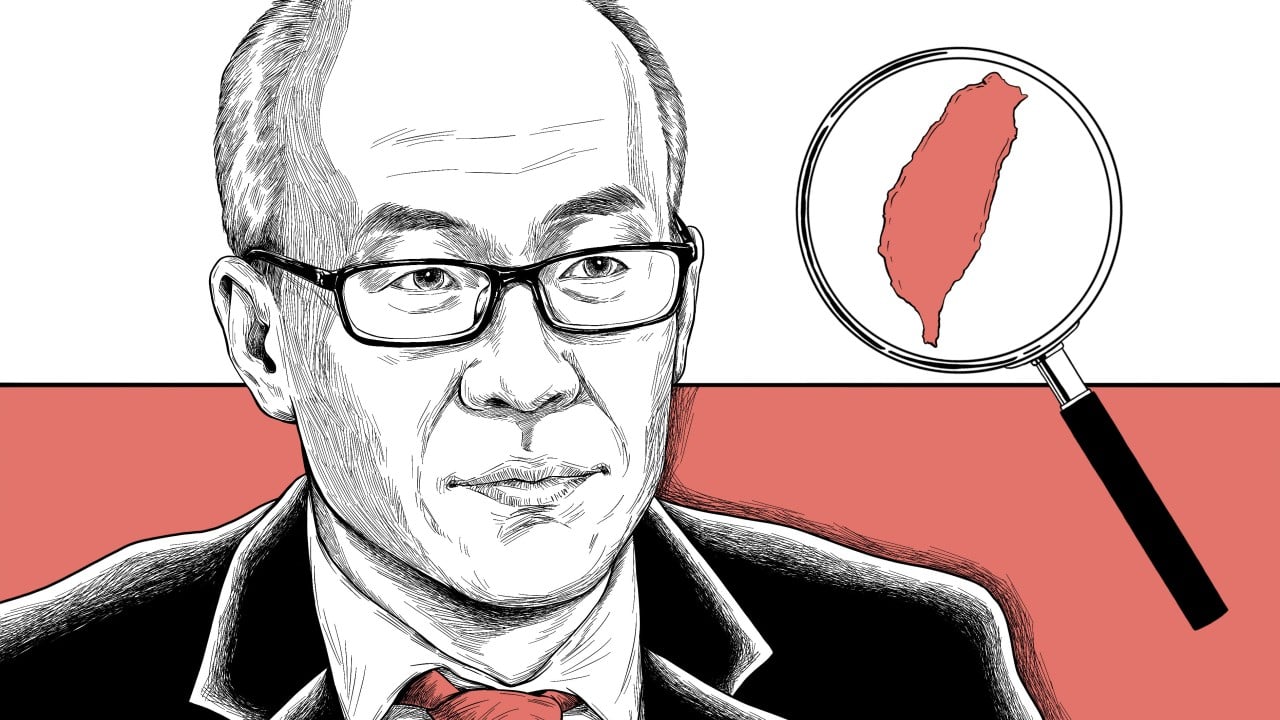
The message from Beijing is blunt: don’t test the red line. Wu Yongping, one of China’s top experts on Taiwan affairs and dean of the Institute for Taiwan Studies at Tsinghua University, says the recent summit between President Xi Jinping and former President Donald Trump sent a clear signal that Washington is no longer giving Taipei room to push for formal independence. That’s a shift from earlier years when U.S. leaders often wavered on the issue.
Wu spoke to the South China Morning Post in an exclusive interview, part of the paper’s Open Questions series. He says the Xi-Trump talks didn’t just confirm U.S. support for the one-China policy—they tightened the screws on Taipei’s ability to act unilaterally. “The message is loud and clear,” Wu said. “Taiwan can’t count on Washington to back any moves that look like a step toward independence.”
Why Taiwan’s next moves matter now
Taiwan’s ruling party, the Democratic Progressive Party (DPP), has long pushed for greater international recognition and distanced itself from Beijing’s claim to the island. But Wu warns that Taipei’s room to maneuver is shrinking fast. He points to recent U.S. policy shifts—like arms sales and stronger statements from Washington—as proof that the Biden administration, and now Trump, are aligning more closely with Beijing on Taiwan.
Wu isn’t calling for force. Instead, he argues for dialogue. “Peaceful reunification is still possible,” he says, “but only if Taipei stops pushing boundaries that could trigger a crisis.” His comments come as Beijing ramps up military drills around Taiwan and increases economic pressure on the island, including trade restrictions and sanctions on Taiwanese officials.
What peaceful reunification could look like
Wu outlines a gradual process: economic integration first, then political negotiations under a framework Beijing has proposed for years. That framework, often called the “one country, two systems” model, allows Taiwan to keep its own government, economy, and military while technically being part of China. But Wu admits the model is deeply unpopular in Taiwan, where most voters oppose Beijing’s control.
Still, he insists Beijing isn’t giving up. “We’re not forcing reunification,” Wu says. “We’re offering a path where both sides can live under one flag without losing what makes Taiwan unique.” But he warns that if Taipei rejects talks, Beijing will feel justified in taking stronger measures—including military action if necessary.
The US role in cross-strait tensions
Washington’s shift didn’t happen overnight. After years of ambiguity, U.S. officials now openly describe Taiwan as a “critical partner” in countering China’s influence in the Indo-Pacific. That language started under Biden but has continued under Trump, who has called Taiwan a “success story” and backed more military support for the island.
Wu says this alignment is intentional. “The U.S. isn’t abandoning Taiwan,” he says. “But it’s making clear that Taipei can’t use Washington as a shield for independence moves.” That’s a major change from the Trump-era chaos, when the former president flirted with abandoning the one-China policy entirely.
The bigger picture? Beijing sees a rare window to push its agenda. With Trump now back in the White House, China is testing whether his administration will stick to the tough-on-China stance he’s known for—or if he’ll revert to the unpredictability of his first term.
Taiwan’s government hasn’t commented publicly on Wu’s remarks, but analysts say the island’s leadership is watching closely. President Tsai Ing-wen has staked her legacy on defending Taiwan’s democracy, but she’s also tried to avoid direct confrontation with Beijing. The question now is whether Taipei can keep that balance—or if Washington and Beijing will force its hand.
What You Need to Know
- Source: SCMP
- Published: May 17, 2026 at 06:30 UTC
- Category: World
- Topics: #scmp · #asia · #china · #world-news · #politics · #government
Read the Full Story
This is a curated summary. For the complete article, original data, quotes and full analysis:
All reporting rights belong to the respective author(s) at SCMP. GlobalBR News summarizes publicly available content to help readers discover the most relevant global news.
Curated by GlobalBR News · May 17, 2026
Related Articles
- 🎉 250 Articles in World!
- WHO declares Ebola emergency as Congo outbreak spreads to Uganda
- WHO declares Ebola outbreak in DR Congo a global emergency
🇧🇷 Resumo em Português
O mundo observou com atenção quando a China e os Estados Unidos, as duas maiores potências globais, se reuniram em uma cúpula que pode redefinir o equilíbrio geopolítico no Pacífico. Em um recado direto a Taiwan, um dos principais estudiosos do continente asiático afirmou que o encontro entre Xi Jinping e Donald Trump reduziu significativamente as margens para qualquer movimento que vise à independência da ilha, tradicionalmente reivindicada pela China como parte de seu território.
A notícia ganha peso no Brasil à medida que o país reforça sua posição neutra em conflitos regionais, mas mantém laços estratégicos tanto com Washington quanto com Pequim. Para a população lusófona, o tema interessa não apenas pelo aspecto diplomático, mas também pela influência que tais tensões podem exercer no comércio global e na estabilidade econômica. Historicamente, o Brasil tem se beneficiado do comércio com a China, mas também depende de uma relação equilibrada com os EUA, o que torna essa dinâmica ainda mais relevante para o país.
A tensão permanece em aberto, com especialistas alertando que qualquer passo em falso poderia reacender velhas rivalidades.
🇪🇸 Resumen en Español
El reciente encuentro entre Xi Jinping y Donald Trump ha dejado claro que Washington refuerza su postura de contención frente a cualquier avance independentista de Taiwán, según destacados analistas continentales. La reunión, cargada de simbolismo diplomático, subraya el peso de las relaciones entre las dos superpotencias en un tablero geopolítico donde la isla sigue siendo un punto caliente.
El mensaje trasciende las palabras: tanto EE.UU. como China coinciden en que Taiwán no es un tema negociable y que cualquier intento de modificar el statu quo sería respondido con firmeza. Para los hispanohablantes, este escenario recuerda la importancia de entender cómo los equilibrios entre Washington y Pekín condicionan la estabilidad global. Además, trae a colación debates más amplios sobre soberanía, autodeterminación y el papel de Occidente en Asia, temas que resuenan en regiones con conflictos territoriales similares.
SCMP
Read full article at SCMP →This post is a curated summary. All rights belong to the original author(s) and SCMP.
Was this article helpful?

Discussion