Delivered fresh fruit and 2,300 pounds of science gear to the space station on April 19, 2026.
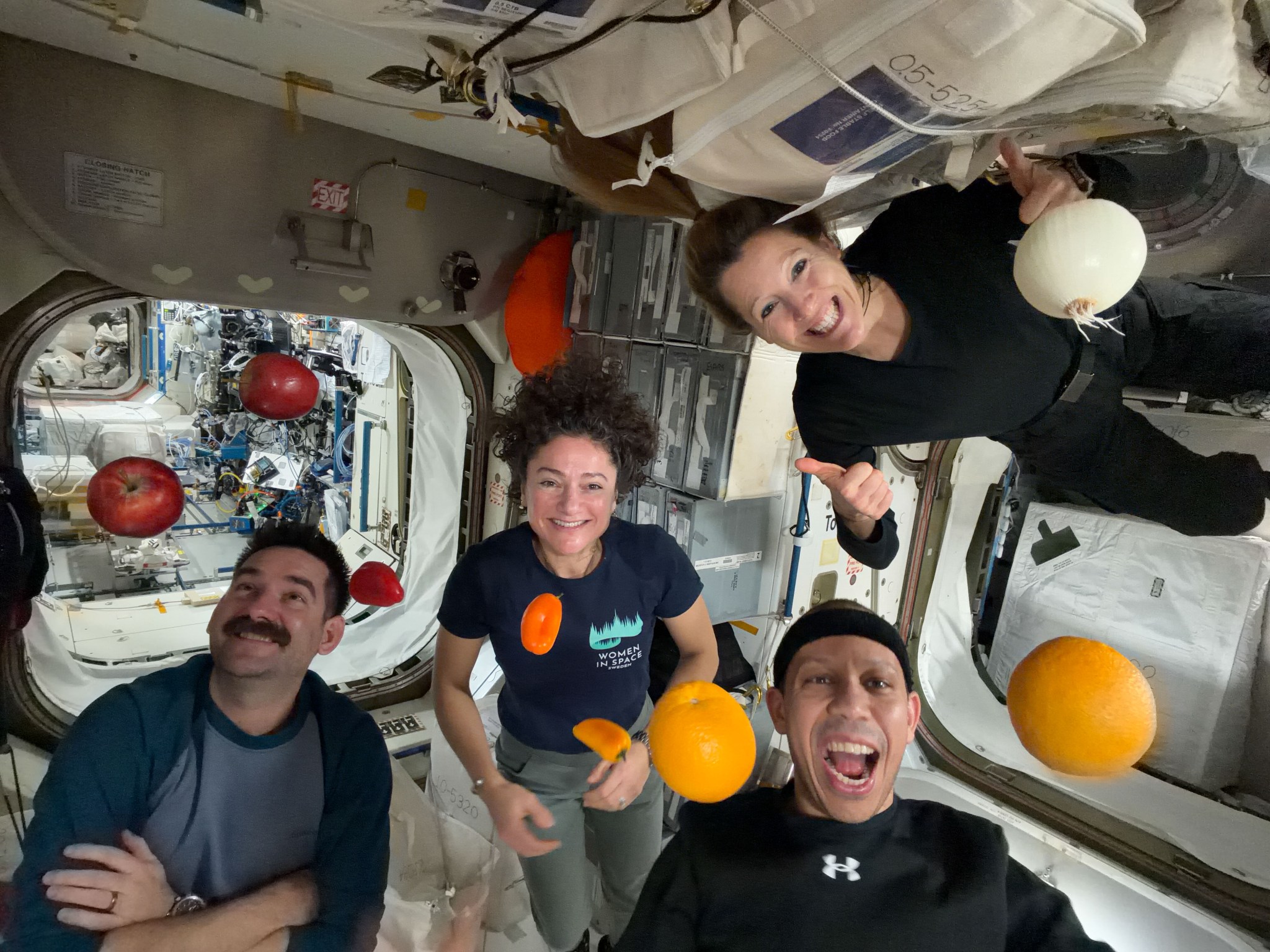
- Fresh food delivery included oranges, apples, onions, and peppers for astronauts
- Cygnus XL carried 2,300 pounds of research hardware and experiments
- Experiments to study blood stem cells and gut health protection in space
A NASA Cygnus XL cargo spacecraft docked at the International Space Station on April 19, 2026, bringing fresh food and critical research supplies to the crew. The shipment included a variety of fresh produce—apples, oranges, onions, and peppers—giving astronauts a rare taste of Earth aboard the orbiting lab. Alongside the food, the cargo delivered over 2,300 pounds of new research hardware and science experiments designed to advance human health in space and on Earth.
The delivery included experiments aimed at studying blood stem cell behavior to improve treatments for cancers and blood disorders. Another key study focused on protecting astronauts’ gut health during long-duration spaceflight, which could inform medical strategies for future missions. NASA astronauts Jack Hathaway, Jessica Meir, Chris Williams, and ESA astronaut Sophie Adenot documented their arrival with playful images in microgravity, showcasing the lighter side of life in orbit.
Fresh food boosts morale and nutrition in space
Fresh produce deliveries are rare on the space station, where astronauts typically rely on packaged and freeze-dried meals. The arrival of oranges, apples, onions, and peppers provided both nutritional benefits and a psychological boost, helping combat menu fatigue during extended missions. NASA nutritionists emphasize that fresh food improves vitamin intake and mental well-being, which are critical during long-duration stays in low Earth orbit.
Northrop Grumman’s Cygnus XL, launched on April 17, 2026, from Wallops Flight Facility, completed the resupply mission under NASA’s Commercial Resupply Services contract. The spacecraft carried additional cargo including crew supplies, spare parts, and equipment for ongoing station maintenance. After unloading, Cygnus XL will remain attached to the station for several weeks before departing with trash and disposal cargo.
Research hardware to advance medical science
The 2,300 pounds of research hardware included advanced biotechnology tools to support experiments in microgravity. One focus area is blood stem cell research, which could lead to better treatments for leukemia, lymphoma, and other blood-related diseases. Scientists believe microgravity may reveal cellular behaviors not observable on Earth, offering new insights into disease mechanisms.
Another experiment will examine how spaceflight affects gut microbiome stability and immune function. Astronauts often experience digestive issues and immune system changes during missions, and this research could help develop countermeasures. Results may also benefit people on Earth with gastrointestinal disorders or compromised immune systems. The findings will be shared with medical researchers worldwide to accelerate clinical applications.
NASA and its international partners continue to expand the station’s role as a testbed for deep-space exploration technologies. The successful delivery of fresh food and science cargo ensures the crew remains healthy and productive as they prepare for future Artemis missions to the Moon and eventual journeys to Mars. The next Cygnus resupply mission is scheduled for later in 2026, continuing a steady cadence of support for human spaceflight operations.
What You Need to Know
- Source: NASA
- Published: May 14, 2026 at 14:55 UTC
- Category: Science
- Topics: #nasa · #space · #science · #war · #conflict · #fresh-food-delivery
Read the Full Story
This is a curated summary. For the complete article, original data, quotes and full analysis:
All reporting rights belong to the respective author(s) at NASA. GlobalBR News summarizes publicly available content to help readers discover the most relevant global news.
Curated by GlobalBR News · May 14, 2026
Related Articles
- 5 Ways to Vet Social Media Health Advice Before Trying It
- PCOS renamed to PMOS after decades of misdiagnosis confusion
🇧🇷 Resumo em Português
Astronautas a bordo da Estação Espacial Internacional (ISS) comemoraram a chegada de um verdadeiro “mercado flutuante” nesta semana, quando a NASA enviou uma carga fresca de frutas e legumes para garantir uma dieta mais saudável e variada no espaço. Em abril de 2026, a espaçonave Cygnus XL não levou apenas os habituais suprimentos técnicos, mas também uma seleção de laranjas, maçãs, cebolas e pimentões — alimentos que, além de nutritivos, ajudam a melhorar o ânimo das tripulações em missões de longa duração.
O envio de alimentos frescos para a ISS não é apenas um capricho logístico, mas um passo crucial para o futuro das missões espaciais brasileiras e globais. Com o Brasil participando cada vez mais de projetos de exploração espacial, como parcerias com a NASA e a Agência Espacial Europeia, garantir o bem-estar nutricional dos astronautas se torna uma prioridade. Além disso, pesquisadores brasileiros estudam como adaptar técnicas de cultivo em ambientes extremos, o que pode, no futuro, beneficiar a agricultura nacional em regiões áridas ou com recursos limitados.
Com a crescente ambição de levar humanos de volta à Lua e, eventualmente, a Marte, a capacidade de produzir alimentos no espaço será tão vital quanto a tecnologia de foguetes — e o Brasil, com sua expertise em agricultura tropical, pode ter um papel-chave nesse desafio.
🇪🇸 Resumen en Español
La NASA ha logrado un hito histórico al enviar, por primera vez en 2026, alimentos frescos como naranjas, manzanas, cebollas y pimientos a la Estación Espacial Internacional, un avance que no solo mejora la calidad de vida de los astronautas sino que también abre nuevas posibilidades para misiones tripuladas de larga duración.
Este envío, parte de la misión Cygnus XL, no solo incluye provisiones básicas, sino también equipos científicos esenciales que permitirán investigaciones clave en gravedad cero, desde cultivos hidropónicos hasta estudios sobre nutrición en el espacio. Para los hispanohablantes, este logro tiene un doble significado: por un lado, refuerza la colaboración internacional en la exploración espacial, donde países como España y México participan activamente; por otro, despierta el interés por carreras STEM, demostrando que la ciencia no tiene fronteras y que el futuro de la humanidad podría estar más cerca de lo que imaginamos.
NASA
Read full article at NASA →This post is a curated summary. All rights belong to the original author(s) and NASA.
Was this article helpful?


Discussion