Georgia islanders defeated a zoning change to keep luxury homes off Gullah Geechee land.
- Gullah Geechee voters defeated a zoning change with a rare Georgia referendum.
- The change threatened Sapelo Island’s land and way of life.
- Developers wanted to build luxury homes on culturally sensitive land.
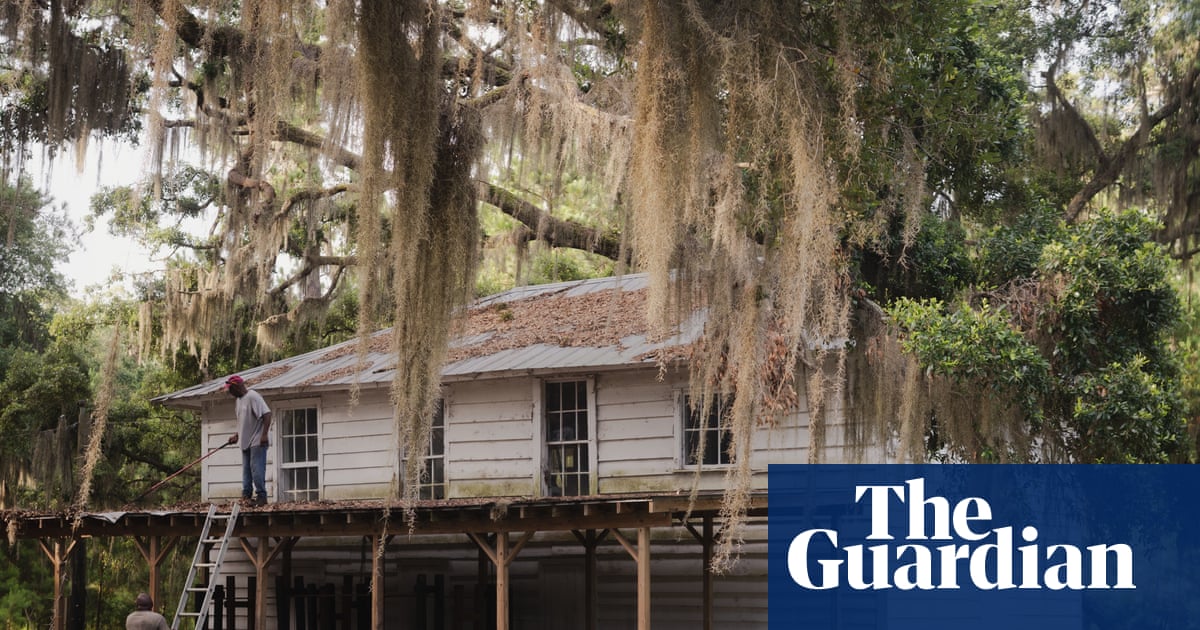
Ire Gene Grovner knelt in his yard last month, a knife in one hand and a dead raccoon in the other. The winter wind whipped past his chicken pens and collard greens, a rare patch of green on Sapelo Island’s otherwise brown winter landscape. “You can eat good here if you ain’t lazy,” Grovner said, pointing to his garden. “This land feeds us. You don’t see that in a condo.” His words weren’t just about food—they were about survival. On Tuesday, Grovner and his neighbors made sure their island stayed exactly like this: quiet, rural, and theirs. They won a one-of-a-kind vote to block a zoning change that would’ve let developers build luxury homes on their ancestral land. This was only Georgia’s second citizen referendum in history, and the first in over 50 years. The win wasn’t just about zoning laws. It was about keeping a 300-year-old culture alive on a sliver of barrier island where Gullah Geechee people have farmed, fished, and lived since the days of slavery. Now, developers and land speculators are watching closely—this fight isn’t over, but it just got a lot harder for them to win. Sapelo Island sits off Georgia’s coast, reachable only by ferry. Most of its 400 acres are protected wetlands or farmland, with about 50 year-round residents—almost all Gullah Geechee, descendants of enslaved Africans forced to work the island’s rice and indigo plantations. Their dialect, food, and traditions are direct links to West African roots. But in 2022, a real estate group quietly pushed a zoning amendment through the county commission. The change would’ve reclassified 15 acres of empty marshland near Raccoon Bluff as “residential mixed-use,” opening the door for waterfront homes priced at $500,000 and up. Locals say the timing wasn’t a coincidence. Sapelo’s land values have skyrocketed as wealthy buyers snap up coastal properties. The island’s last free ferry ride, a 30-minute boat from mainland Georgia, is now a symbol of resistance: residents pay $2 each way, while developers and tourists fly in by private boat or helicopter. The fight over the zoning change started quietly, too. A few residents noticed the amendment in a county agenda packet. No public hearing was held. No notice was sent to islanders. “We found out about it like everyone else—on Facebook,” said Marleen Keyes, a lifelong Sapelo resident and Gullah Geechee descendant. “They thought we wouldn’t notice. They were wrong.” Keyes and others organized fast. They collected 160 signatures—far more than the 100 needed—to force a public vote. That’s when the island’s old-school organizing met modern politics. Flyers went up in the island’s one grocery store. Elders made calls from landlines that still use rotary phones. Young people shared posts on WhatsApp groups. Even the island’s children helped, passing out flyers at the ferry dock. The opposition wasn’t just about zoning. It was about erasure. The proposed homes would’ve blocked views of the salt marshes where Gullah Geechee people once grew rice using techniques brought from Sierra Leone. The marsh is sacred ground. “You don’t put a mansion where your ancestors are buried,” said Bettye Williams, a seventh-generation Sapelo resident who runs the island’s small museum. Williams’ family has lived on the island since the 1800s. Her great-grandfather was born enslaved on a neighboring plantation. She remembers when the island’s population was nearly 400. Now, it’s half that. Many young people leave for jobs or schools. The ones who stay are fighting to keep the island from becoming another playground for the rich. ## The referendum that almost didn’t happen Tuesday’s vote wasn’t guaranteed. Georgia’s constitution allows citizen referendums, but they’re rare. Only one other has passed in the state’s history—on a local sales tax in 1972. Opponents of the zoning change had to clear legal hurdles, prove enough signatures, and convince voters in a special election. The island’s precinct is just one room in the community center, with a single voting machine. Turnout was 78%—unheard of for a local election. “People showed up because they knew this wasn’t just about zoning,” said Grovner. “It was about whether we still exist.” The final tally was 58% against the zoning change. But the win is temporary. The same developers are already floating new plans under different zoning rules. And the county commission, which initially approved the change, hasn’t given up. They’re now considering a smaller rezoning request on another part of the island. Meanwhile, Sapelo’s future is tangled in state politics. Georgia’s coastal management rules are weak, and developers have found loopholes for decades. The Gullah Geechee Corridor protects cultural heritage, but it doesn’t stop sales. What happens next will depend on money and power. The islanders know they can’t win every battle alone. So they’re building alliances—with conservation groups, historic preservation societies, and even some mainland politicians who see the value in keeping Georgia’s coast wild. “We’re not against progress,” said Keyes. “We’re against progress that erases us.” The fight on Sapelo is a warning to developers eyeing the rest of the Gullah Geechee coast, from North Carolina to Florida. The Gullah Geechee people have survived slavery, Jim Crow, and hurricanes. They’re not about to let a zoning change or a luxury home take their land now.
What You Need to Know
- Source: The Guardian
- Published: May 17, 2026 at 16:10 UTC
- Category: Business
- Topics: #guardian · #business · #economy · #science · #biology · #genetics
Read the Full Story
This is a curated summary. For the complete article, original data, quotes and full analysis:
All reporting rights belong to the respective author(s) at The Guardian. GlobalBR News summarizes publicly available content to help readers discover the most relevant global news.
Curated by GlobalBR News · May 17, 2026
Related Articles
- Zillow’s remote-only hiring brings in talent from all 50 states
- Your fixed mortgage payment keeps rising — here’s why
- Why working-class voices matter for UK culture and media
🇧🇷 Resumo em Português
A histórica vitória dos descendentes de escravizados da Ilha Sapelo, nos Estados Unidos, contra megaprojetos imobiliários que ameaçavam suas terras e cultura expõe um embate global entre preservação ancestral e expansão urbana. Em plebiscito inédito, a comunidade Gullah Geechee rejeitou mudanças no zoneamento que abririam caminho para condomínios de luxo e hotéis, garantindo a proteção de um território que abriga sua identidade há mais de 200 anos.
No Brasil, onde quilombolas também lutam contra pressões de especulação fundiária — como no caso recente do Complexo Eólico Ventos de Santa Catarina, que afeta comunidades tradicionais — o caso da Ilha Sapelo ressoa como exemplo de resistência. A decisão reforça que a defesa do território vai além da propriedade: é a manutenção de uma cultura única, transmitida oralmente e ligada à terra. Para o Brasil, onde 3 mil comunidades quilombolas enfrentam riscos semelhantes, a vitória Gullah Geechee pode inspirar estratégias de mobilização legal e midiática, mostrando que a união da população local é capaz de barrar interesses econômicos predatórios.
Agora, a comunidade aguarda a implementação efetiva da decisão, enquanto grupos de defesa do meio ambiente e direitos humanos pressionam por modelos de desenvolvimento que não repitam os erros do passado.
🇪🇸 Resumen en Español
Las comunidades Gullah Geechee de la isla Sapelo han logrado un triunfo histórico al frenar un cambio de zonificación que amenazaba su tierra y legado cultural, en un referéndum que refleja su resistencia frente a la presión inmobiliaria.
El movimiento, impulsado por residentes como Cornelia Bailey —quien declaró con firmeza “I ain’t goin nowhere”—, subraya la lucha de este pueblo afrodescendiente por preservar su identidad y territorio en EE UU. Tras décadas de migración forzada y despojo, su victoria en las urnas no solo protege 435 acres de tierra ancestral, sino que también sienta un precedente contra la gentrificación que amenaza a comunidades indígenas y afroamericanas en todo el país. Para los hispanohablantes, este caso resuena como ejemplo de cómo la organización comunitaria puede contrarrestar los intereses especulativos, una lección valiosa en un contexto global donde el desarrollo urbano suele arrasar con tradiciones locales.
The Guardian
Read full article at The Guardian →This post is a curated summary. All rights belong to the original author(s) and The Guardian.
Was this article helpful?



Discussion