Trump’s Maduro arrest in 2024 left Venezuela’s crisis untouched with daily blackouts, gas shortages and Chávez loyalists still in power.
- Maduro remains in office despite 2024 US arrest order
- Daily power blackouts and gas shortages persist across Caracas
- Chávez’s socialist movement still controls most institutions
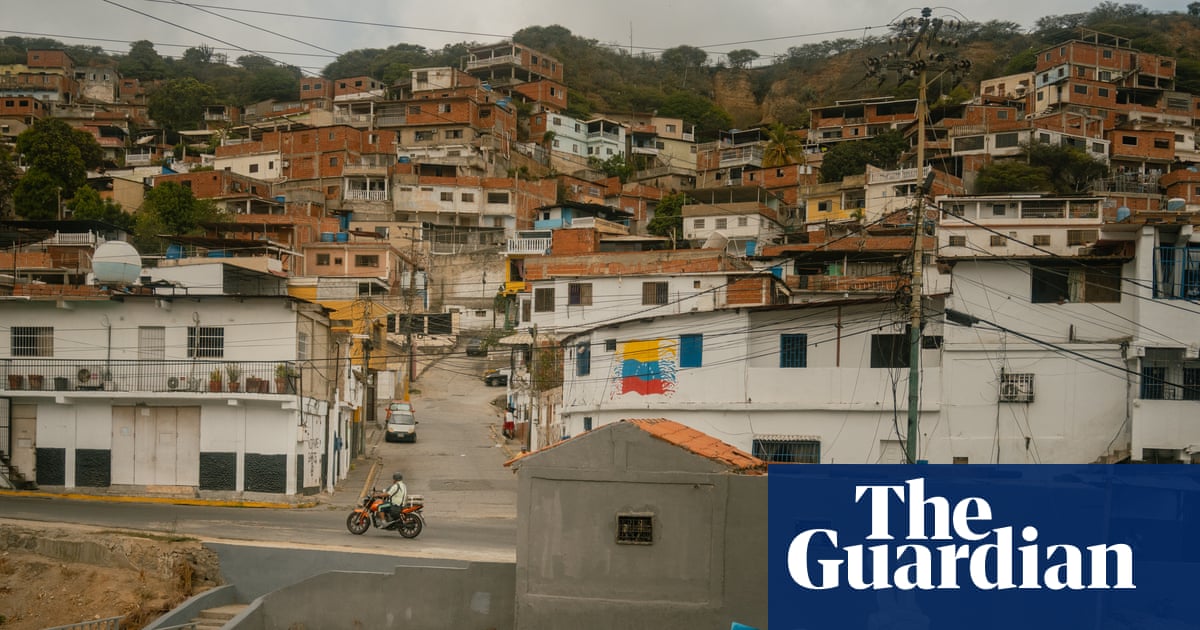
Ángel Linares thought the blast that shattered his windows on a quiet Caracas morning was fireworks for New Year’s. Instead, it was a controlled demolition ordered by Venezuelan authorities to remove a building deemed unsafe after years of neglect. The explosion sent 85-year-old Jesucita Linares tumbling to the pavement, her home reduced to concrete shards. Two years after Donald Trump authorized Nicolás Maduro’s arrest in a surprise 2024 operation, Venezuela’s landscape looks nearly identical. Power blackouts still roll across the capital every few hours. Gas lines snake for blocks as pumps sit idle. And the same socialist movement founded by Hugo Chávez still runs the show, even if Maduro’s name isn’t on the arrest warrant anymore.
The arrest that changed nothing
The Trump administration’s 2024 move stunned diplomats but accomplished little on the ground. US marshals stormed a Caracas safe house where Maduro had been staying, only to find he’d slipped out minutes earlier. Within days, Maduro reappeared on state TV, live from the Miraflores Palace, laughing off the raid. ‘They thought they could take me? Please,’ he said, flanked by generals from the Bolivarian National Armed Forces. The episode cost Washington credibility. Venezuelans who once mocked Maduro now shrug. ‘We’ve seen coups, invasions, elections that don’t count,’ said Linares, sweeping dust from his mother’s photo on a rebuilt shelf. ‘None of it changes our daily fight.’
Chávez’s ghost still haunts every street
Hugo Chávez’s socialist project dominates Venezuela’s economy, politics and daily life 11 years after his death. His face stares from murals on crumbling walls. State-run oil company PDVSA still pumps crude that mostly gets smuggled out. Pensioners wait in line for hours to buy subsidized rice that runs out before noon. The US sanctions that followed Trump’s arrest order have crippled imports, making medicine and spare parts vanish overnight. ‘Chávez promised us dignity,’ said María González, a nurse at a public hospital in Petare, one of Latin America’s largest slums. ‘Instead, we got this.’
The economy keeps collapsing, quietly
Venezuela’s inflation has slowed from triple-digit daily rates to ‘only’ 150% a year, thanks to dollarization in cities. But most salaries are paid in bolívars worth less than a cup of coffee. In the Mercado de Chacao, vendors sell toilet paper by the roll for what used to be pocket change. A single egg costs 50 bolívars—about 50 cents on the black market, but worth a week’s wage to teachers on state payrolls. ‘We don’t talk about inflation anymore,’ said taxi driver Carlos Rojas. ‘We just survive it.’ The International Monetary Fund estimates Venezuela’s economy shrank 80% since 2013. That’s a deeper collapse than the Great Depression.
Maduro’s survival trick: divide and rule
Maduro’s grip relies on keeping elites fighting each other instead of uniting against him. The opposition is split between exiles like Henrique Capriles and hardliners like Maria Corina Machado. Meanwhile, the military controls smuggling routes, the Supreme Court rubber-stamps his decrees, and the National Electoral Council bans candidates who might beat him. ‘He doesn’t need to be popular,’ said political analyst Luis Vicente León. ‘He just needs to be untouchable.’
What happens next is anyone’s guess
The US still insists Maduro must go, but its leverage has faded. Latin American neighbors like Colombia and Brazil now negotiate with Caracas instead of isolating it. China and Iran keep sending oil tankers and technicians as sanctions bite. Venezuelans like the Linares family rebuild their homes for the third time this decade, stocking up on candles and canned food. ‘We used to believe change would come,’ said Ángel. ‘Now we just wait for the next explosion—whether it’s from a gas leak or a politician’s promise.’
What You Need to Know
- Source: The Guardian
- Published: May 17, 2026 at 05:00 UTC
- Category: World
- Topics: #guardian · #world-news · #international · #feels · #trump · #maduro
Read the Full Story
This is a curated summary. For the complete article, original data, quotes and full analysis:
All reporting rights belong to the respective author(s) at The Guardian. GlobalBR News summarizes publicly available content to help readers discover the most relevant global news.
Curated by GlobalBR News · May 17, 2026
Related Articles
- 🎉 250 Articles in World!
- Bulgaria wins Eurovision 2025 with Dara’s historic victory
- ‘She was phenomenal, she was iconic’: Delta Goodrem wins praise as Australia places fourth at Eurovision
🇧🇷 Resumo em Português
Em um cenário que parecia promissor para a virada política na Venezuela, a prisão de Nicolás Maduro pelo governo de Donald Trump em 2024 não alterou significativamente a realidade do país, mantendo milhões de venezuelanos presos à herança do chavismo. A medida, que gerou expectativas de mudanças profundas, pouco modificou a estrutura de poder ou a crise econômica que já dura mais de uma década, deixando a população em uma sensação de ilusão e continuidade.
O caso ganha relevância para o Brasil e os falantes de português não apenas por afetar diretamente a estabilidade regional — com reflexos na migração, segurança e economia — mas também por expor as limitações das intervenções externas em conflitos políticos complexos. Para o governo brasileiro, acostumado a lidar com as consequências da crise venezuelana, como o fluxo migratório, a situação reforça a necessidade de buscar soluções diplomáticas efetivas, sem depender de ações unilaterais que não resolvem o cerne dos problemas. A população local, por sua vez, segue dividida entre a esperança de um futuro melhor e a frustração com um sistema que parece imutável.
A prisão de Maduro pode ter sido um marco jurídico, mas o verdadeiro desafio continua sendo reconstruir a Venezuela — uma tarefa que depende, acima de tudo, dos próprios venezuelanos e da comunidade internacional.
🇪🇸 Resumen en Español
El intento de la justicia estadounidense de detener a Nicolás Maduro en 2024 ha dejado una huella casi imperceptible en la compleja realidad de Venezuela, donde millones siguen atrapados en las sombras del legado chavista. A pesar de la orden de arresto, el país sigue sumido en una crisis económica y política, con un gobierno que resiste y una población que, lejos de ver cambios, siente que el tiempo se ha detenido.
El episodio refleja la paradoja de una Venezuela donde el poder parece blindado, incluso frente a presiones internacionales, mientras la población enfrenta diariamente la precariedad. Para los hispanohablantes, el caso ilustra cómo las estrategias geopolíticas a menudo chocan contra realidades enquistadas, dejando a la ciudadanía como espectadora de un juego en el que las piezas siguen siendo las mismas.
The Guardian
Read full article at The Guardian →This post is a curated summary. All rights belong to the original author(s) and The Guardian.
Was this article helpful?
Discussion