Phil Knight’s $2 billion donation to OHSU’s cancer institute is the biggest ever to a U.S. academic hospital, funding research and new treatments.
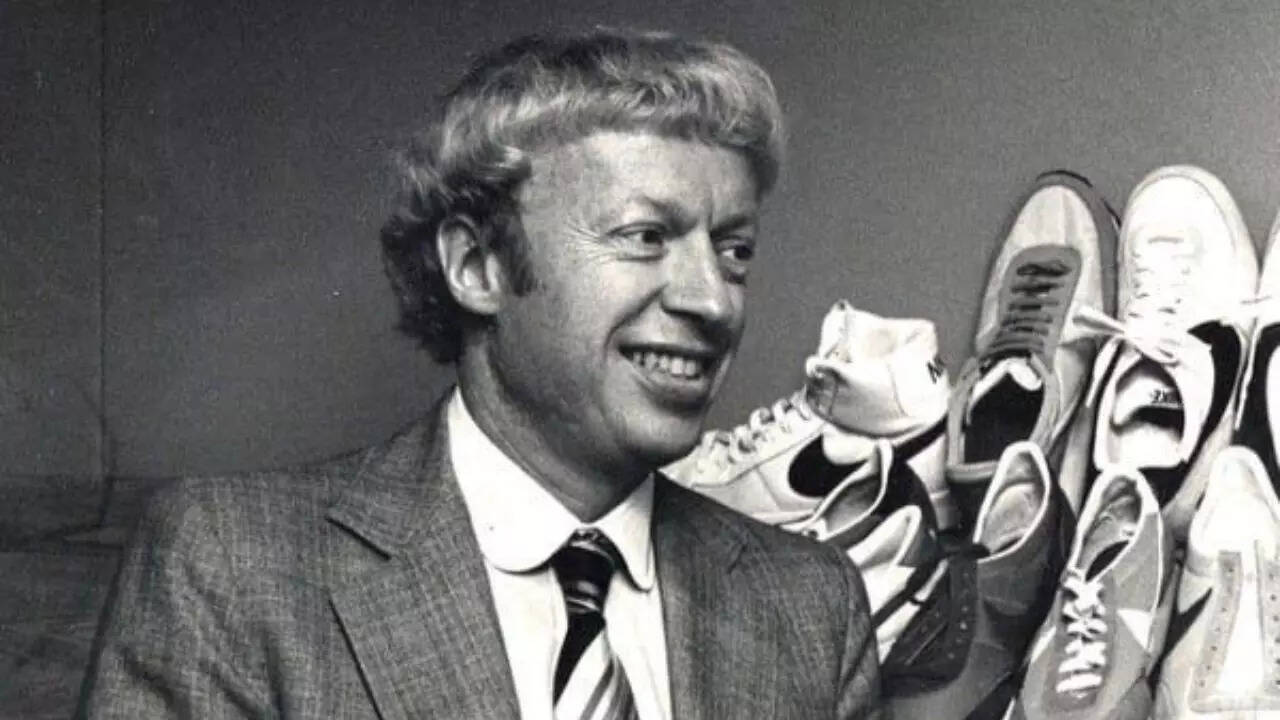
- Phil Knight’s $2B gift is the largest ever to a U.S. academic medical center
- OHSU’s Knight Cancer Institute gets funds for research, treatment, and new buildings
- The donation marks a decade of Knight’s focused giving to cancer care
Nike co-founder Phil Knight’s $2 billion donation to Oregon Health & Science University’s Knight Cancer Institute isn’t just big money—it’s the largest single gift ever to an American academic medical center. The announcement Tuesday makes it clear: this isn’t a one-time flash of generosity. It’s the result of a decade-long plan to change how cancer is treated in the U.S. The Knights have given $1.5 billion since 2013 to the institute they helped build, but this final $2 billion push sets a new standard for what private philanthropy can do in healthcare. Oregon Health & Science University now has the resources to aim for breakthroughs that public funding alone couldn’t support. The goal? Faster diagnosis, smarter treatments, and better survival rates for patients who’ve run out of options. Phil Knight, 86, has said repeatedly that he wants his money to make a real difference—not just hand out checks. This is the difference he’s banking on.
The Knight Cancer Institute, founded in 1990, has long been a leader in cancer research, but it’s never had this kind of firepower. The $2 billion won’t just sit in a bank. About half will go into an endowment to fund research teams for decades. The rest will build new labs, recruit top scientists, and expand clinical trials that test cutting-edge therapies. Early detection is a big focus. The institute already runs one of the country’s most advanced early cancer detection programs, using blood tests to spot tumors before symptoms appear. With this money, they’re planning to double the size of that program and make the tests cheaper and more accessible. It’s not about inventing new science from scratch—it’s about speeding up what already works and getting it to patients faster.
This gift is also a bet on personalized medicine. Instead of treating cancer as one disease, the Knight Institute wants to match treatments to each patient’s genetic profile. That means sequencing tumors, testing drugs on a patient’s own cells in the lab, and adjusting therapies in real time. Right now, that kind of precision care is only available to a tiny fraction of patients. The Knights’ money will help change that. The institute’s director, Dr. Brian Druker, known for developing the leukemia drug Gleevec, put it bluntly: “We’re not just chasing incremental progress. We’re aiming for the kind of leap that changes lives.” The first new hires—top geneticists and immunologists from places like Memorial Sloan Kettering and MD Anderson—will start work next year.
How the Knight gift stacks up against other big donations
The $2 billion gift dwarfs most other major donations to cancer centers. Compare it to Mark Zuckerberg and Priscilla Chan’s $3 billion Chan Zuckerberg Initiative, which spreads its money across many diseases and research areas. Or the $1 billion donation from Michael Bloomberg to Johns Hopkins Medicine, which went to public health and medical education. The Knights’ gift is laser-focused on one institution, one mission: beating cancer. It’s also the first time a single donor has put this much into a single cancer center in the U.S. The only close comparison is Ted Stanley’s $650 million donation to the Broad Institute in 2014, which funded schizophrenia and bipolar disorder research. But Knight’s gift is more than three times larger—and it’s all for cancer.
The timing matters too. Cancer research is in a rare sweet spot right now. New tools like CRISPR gene editing, AI-driven drug discovery, and liquid biopsies (blood tests that detect cancer DNA) are finally moving from labs to clinics. The Knight Institute already has a head start in some of these areas. The extra $2 billion means they can push harder, faster. But money alone won’t solve everything. The institute will need to hire thousands of researchers, build new facilities, and navigate red tape. The Knights’ gift comes with a catch: the money must be spent within 50 years. That’s a tight deadline for building an institution that could last centuries.
What’s next for the Knight Cancer Institute—and cancer care nationwide
The first visible change will be new buildings. The institute plans to break ground on a $500 million research tower in Portland next year. It’ll house labs for early detection, immunotherapy, and computational biology. The rest of the money will fund scholarships for scientists, grants for clinical trials, and partnerships with hospitals across the country to share data and treatments. The goal isn’t just to cure more cancer in Oregon—it’s to set a new standard that other hospitals will have to follow. If the institute succeeds, it could push the entire field toward faster, cheaper, and more precise cancer care. That’s a tall order, but the Knights aren’t betting on hope. They’re betting on results.
For now, the focus is on execution. The institute’s leadership has to prove they can turn $2 billion into real progress—not just headlines. Phil Knight’s track record as a businessman, not just a philanthropist, gives some confidence. He built Nike from scratch by taking big swings, and he’s treating cancer research the same way. Whether it works will depend on whether the science catches up to the ambition. If it does, this gift won’t just be the biggest donation to a cancer center. It could be the one that finally changes how the disease is fought.
What You Need to Know
- Source: Times of India
- Published: May 17, 2026 at 10:10 UTC
- Category: World
- Topics: #india · #asia · #world-news · #health · #cancer · #medicine
Read the Full Story
This is a curated summary. For the complete article, original data, quotes and full analysis:
All reporting rights belong to the respective author(s) at Times of India. GlobalBR News summarizes publicly available content to help readers discover the most relevant global news.
Curated by GlobalBR News · May 17, 2026
Related Articles
- 🎉 250 Articles in World!
- WHO declares Ebola emergency as Congo outbreak spreads to Uganda
- WHO declares Ebola emergency as Congo and Uganda outbreaks surge
🇧🇷 Resumo em Português
A maior doação já feita a um centro médico acadêmico nos Estados Unidos acaba de ser anunciada: o fundador da Nike, Phil Knight, destinou impressionantes US$ 2 bilhões ao Instituto de Câncer Knight da Universidade de Saúde e Ciências do Oregon. O montante, que supera em muito as doações anteriores, promete impulsionar pesquisas inovadoras e tratamentos revolucionários contra a doença, colocando o Brasil e o mundo de olho nos avanços que podem surgir da iniciativa.
O contexto é especialmente relevante para os brasileiros, já que o câncer continua sendo uma das principais causas de morte no país, com mais de 250 mil óbitos anuais. A doação de Knight não apenas fortalece a capacidade de pesquisa do instituto — que já é referência em oncologia —, como também pode acelerar a descoberta de terapias mais eficazes e acessíveis. Para o Brasil, que enfrenta desafios como a desigualdade no acesso a tratamentos e a necessidade de inovação em saúde pública, projetos como esse mostram como o investimento privado pode complementar os esforços governamentais, mesmo que em outro continente.
O próximo passo é aguardar os desdobramentos das pesquisas financiadas por Knight e, quem sabe, ver se os avanços do Oregon Knight Cancer Institute inspirarão novas iniciativas no Brasil — especialmente em um momento em que a ciência nacional busca mais recursos e parcerias estratégicas.
🇪🇸 Resumen en Español
El magnate Phil Knight, cofundador de Nike, ha sorprendido al mundo con una donación récord de 2.000 millones de dólares al Instituto Oncológico Knight de la Universidad de Ciencias y Salud de Oregón (OHSU), el mayor aporte jamás registrado para un centro médico académico en Estados Unidos. La cifra, que supera con creces las donaciones millonarias habituales en el sector, llega en un momento en que la lucha contra el cáncer enfrenta desafíos críticos, como la escalada de costes en investigación y la necesidad de terapias innovadoras.
La iniciativa no solo marca un hito filantrópico, sino que promete acelerar la búsqueda de tratamientos personalizados contra el cáncer, un campo en el que los avances científicos son cada vez más urgentes. Para la comunidad hispanohablante en EE.UU., donde el acceso a la salud y la equidad en la investigación oncológica siguen siendo barreras, este gesto podría traducirse en oportunidades futuras de colaboración o incluso en la reducción de desigualdades en el tratamiento. Además, el legado de Knight, vinculado a una marca global como Nike, refuerza el debate sobre el papel de la filantropía privada en la ciencia y su impacto en políticas públicas de salud.
Times of India
Read full article at Times of India →This post is a curated summary. All rights belong to the original author(s) and Times of India.
Was this article helpful?



Discussion