Mexico fines toxic waste plant $4.8m and launches new air monitors after investigations revealed severe neighborhood pollution.
- Mexico fines toxic waste plant $4.8m for heavy-metal contamination
- Government orders new industrial air monitors in Monterrey
- Investigations found high lead and arsenic levels in local residents
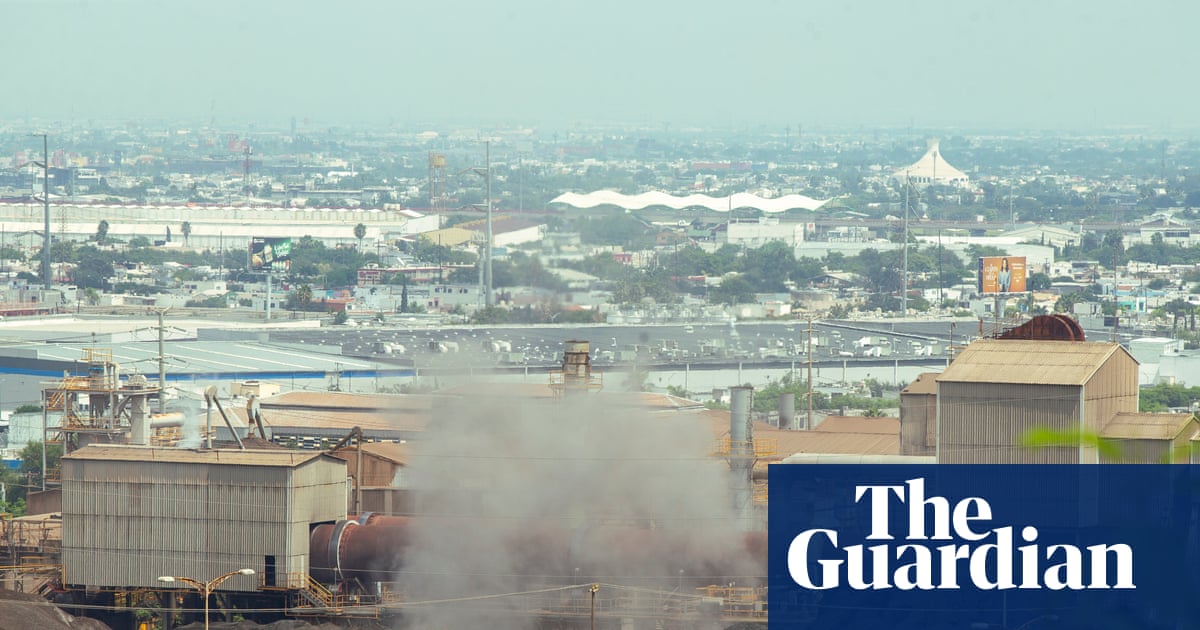
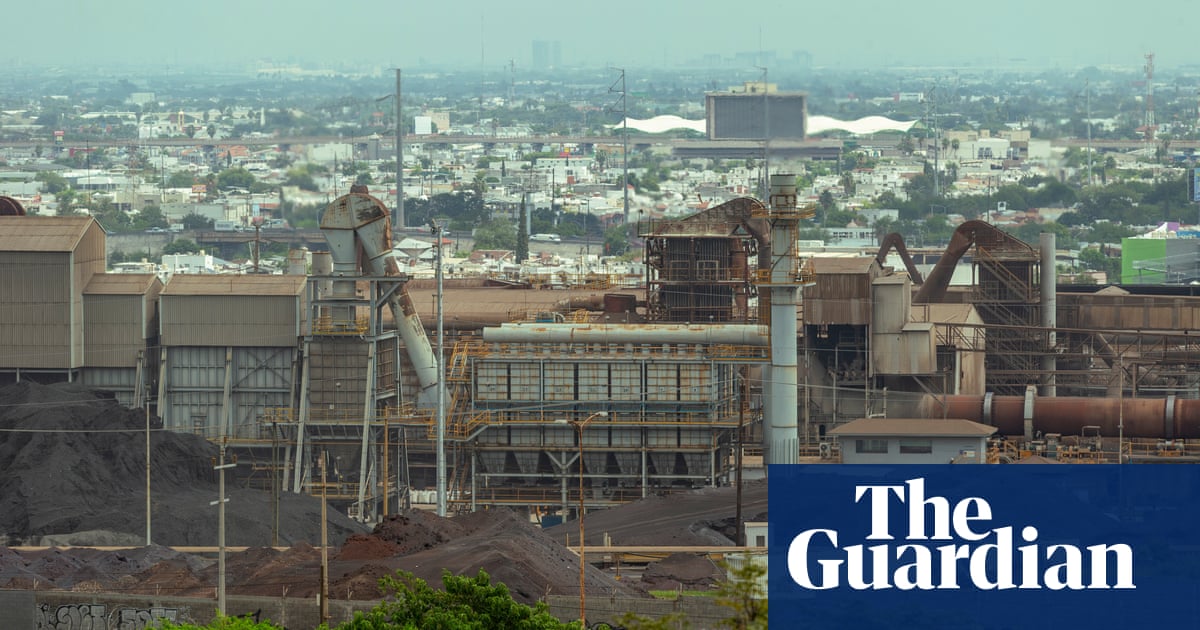
Mexico’s environment ministry announced sweeping new pollution controls on Monday after investigations by the Guardian and Quinto Elemento Lab exposed severe contamination around a factory processing toxic waste from the United States. The plant, Zinc Nacional Zinc Nacional, faces $4.8 million in fines and must install an industrial air-monitoring system in Monterrey’s Santa Catarina borough, where residents had alarmingly high levels of lead and arsenic in their blood. Tests showed soil, water, and air contained dangerous heavy metals from the factory’s operations, which recycle hazardous waste for US manufacturers.
New air monitors and fines target pollution hotspots
The government’s response includes rolling out real-time air-quality sensors across Monterrey’s industrial zones by the end of 2024, officials said. The $4.8 million fine against Zinc Nacional is the largest ever issued for industrial pollution in Nuevo León state, home to Monterrey, Mexico’s third-largest metro area. Environmental Protection Agency Semarnat chief María Luisa Albores said the factory violated multiple safety standards and failed to report hazardous waste leaks. Local doctors reported cases of lead poisoning in children living within a mile of the plant.
Monterrey’s role in US supply chains drives pollution
Monterrey’s factories supply everything from car parts to electronics to American consumers, but the city’s rapid industrial growth has overwhelmed waste management systems. Hazardous waste from US factories often ends up in Mexican recycling plants like Zinc Nacional, where cheap labor and lax oversight make processing cheaper. Investigations found the plant burned imported battery casings and other toxic materials in open pits, releasing toxic fumes. Local activists say the pollution crisis reflects deeper failures in cross-border waste trade and weak enforcement of environmental laws.
Residents demand action after years of exposure
Families in the working-class neighborhood near Zinc Nacional told reporters they’ve suffered rashes, respiratory problems, and miscarriages for years. One mother said her 6-year-old son was diagnosed with lead poisoning in 2022 but received no follow-up care from authorities. A local doctor, who asked not to be named, said clinics see rising cases of neurological damage in children exposed to the pollution. Protests last month forced the government to promise stricter oversight, but residents say they want the factory shut down entirely.
Broader crackdown targets industrial polluters across Mexico
The crackdown extends beyond Zinc Nacional. Mexico’s president, Andrés Manuel López Obrador Andrés Manuel López Obrador, ordered inspections of 500 factories nationwide after the investigations aired. Nuevo León’s governor, Samuel García Samuel García, promised to close plants that fail safety tests. Environmental groups say the move is long overdue but warn weak penalties and corruption often let polluters off the hook. The new air monitors aim to track pollution in real time and alert communities to spikes in toxic emissions.
The government’s response comes as Mexican officials face pressure to clean up industrial pollution tied to US supply chains. While the fines and monitors are a start, activists say lasting change requires stronger penalties, better waste tracking, and public health protections for affected neighborhoods. For now, families near Zinc Nacional are watching the sky—and waiting for answers.
What You Need to Know
- Source: The Guardian
- Published: May 17, 2026 at 16:18 UTC
- Category: Environment
- Topics: #guardian · #climate · #environment · #mexico · #quinto-elemento-lab · #mexican
Read the Full Story
This is a curated summary. For the complete article, original data, quotes and full analysis:
All reporting rights belong to the respective author(s) at The Guardian. GlobalBR News summarizes publicly available content to help readers discover the most relevant global news.
Curated by GlobalBR News · May 17, 2026
Related Articles
🇧🇷 Resumo em Português
O México aplicou uma multa de 4,8 milhões de dólares a uma empresa que opera uma usina de resíduos tóxicos em Monte, após uma investigação do The Guardian revelar níveis alarmantes de poluição por metais pesados nas proximidades. O caso expôs a gravidade dos impactos ambientais causados por instalações que processam rejeitos perigosos, inclusive importados dos Estados Unidos, levantando sérias dúvidas sobre a fiscalização de atividades industriais que ameaçam comunidades já vulneráveis. A decisão judicial determinou ainda a instalação de novos monitores de qualidade do ar para acompanhar os níveis de contaminação em tempo real, uma medida considerada urgente por especialistas.
No Brasil, onde a gestão de resíduos industriais também enfrenta desafios, a notícia ressoa como um alerta sobre os riscos de negligenciar a fiscalização de plantas similares. O país convive com casos recorrentes de contaminação por metais pesados, como chumbo e cádmio, em regiões industriais, que afetam a saúde pública e o meio ambiente. A multa imposta no México reforça a necessidade de transparência em operações com substâncias perigosas e pode servir de exemplo para pressionar autoridades brasileiras a endurecerem regras e punições contra poluidores. Além disso, o episódio destaca a importância de investigações jornalísticas independentes para expor irregularidades que, muitas vezes, permanecem ocultas.
A próxima etapa deve ser monitorar se a aplicação da multa no México realmente resultará em melhorias concretas na região afetada e se inspirará ações semelhantes em outros países, inclusive no Brasil.
The Guardian
Read full article at The Guardian →This post is a curated summary. All rights belong to the original author(s) and The Guardian.
Was this article helpful?

Discussion