Iran and Oman discuss Hormuz Strait fees with U.S. opposition as Muscat remains silent on details.

- Iran says it’s coordinating with Oman on Hormuz Strait management
- Plan includes fees for transiting ships and nationality tracking
- U.S. opposes the proposal as Muscat stays silent
📰 Continuing coverage: Tensions flare near Strait of Hormuz as a ship is seized and another is sunk
Oman has become the center of a growing geopolitical dispute after Iran announced it was working with the Gulf state on new management rules for the Strait of Hormuz. Tehran claims the plan includes charging fees to commercial ships and requiring details on the nationality of all vessels transiting the waterway.
The U.S. has strongly opposed the proposal, which Muscat has yet to confirm or deny. The silence from Oman’s government has left diplomats and shipping companies guessing about the future of one of the world’s most critical shipping lanes.
Iran and Oman’s disputed plan
The Strait of Hormuz, a narrow waterway between Iran and Oman’s Musandam peninsula, normally handles about 20% of the world’s seaborne oil traffic. Since early February, the strait has been effectively blockaded for the 10th consecutive week following a U.S.-Israeli strike on Iran. Shipping costs have surged as insurers and companies reroute vessels to avoid the area.
Iran’s foreign ministry spokesperson Nasser Kanaani said the plan was still under discussion but confirmed talks with Oman about joint management. “We are reviewing options to ensure the safety and stability of the strait while addressing the concerns of all nations,” Kanaani told reporters in Tehran. Oman has not publicly responded to the claims.
U.S. warns against unilateral changes
The U.S. State Department called Iran’s proposal “unacceptable and destabilizing.” A spokesperson said Washington had raised concerns with Muscat and other Gulf partners. “Any unilateral changes to the rules governing the Strait of Hormuz threaten regional security and global energy markets,” the spokesperson said.
Shipping industry groups have also expressed alarm. The International Chamber of Shipping warned that new fees or nationality requirements could disrupt global trade and increase costs for importers and exporters alike. “The strait is a vital artery for oil and gas shipments. Any disruption could have far-reaching consequences,” a spokeswoman said.
Oman’s delicate balancing act
Oman, a neutral player in the Gulf’s escalating tensions, has historically mediated between Iran and its Arab neighbors. The country’s foreign minister, Badr Albusaidi, met with U.S. officials in Muscat last week, but no details of those talks have been released. Analysts suggest Oman is under pressure from both sides as it tries to avoid being dragged into open conflict.
The proposed fees and nationality tracking would mark a significant shift in how the strait is managed. Currently, transit through the waterway is governed by international agreements, including the 1982 United Nations Convention on the Law of the Sea. Iran’s plan, if enacted, could set a precedent that challenges long-standing norms in global shipping.
What happens next?
The standoff highlights the fragile state of regional security as tensions between Iran and Western powers continue to rise. Oman’s next move will be closely watched, as its silence so far leaves room for speculation about its true stance. Meanwhile, shipping companies are bracing for potential disruptions or higher costs if the plan moves forward.
For now, the blockade of the Strait of Hormuz remains in place, with no clear resolution in sight. The international community’s response will likely hinge on whether Oman formally endorses Iran’s proposal or pushes back against it.
What You Need to Know
- Source: The Guardian
- Published: May 15, 2026 at 16:04 UTC
- Category: World
- Topics: #guardian · #world-news · #international · #oman · #iran · #tehran
Read the Full Story
This is a curated summary. For the complete article, original data, quotes and full analysis:
All reporting rights belong to the respective author(s) at The Guardian. GlobalBR News summarizes publicly available content to help readers discover the most relevant global news.
Curated by GlobalBR News · May 15, 2026
Related Articles
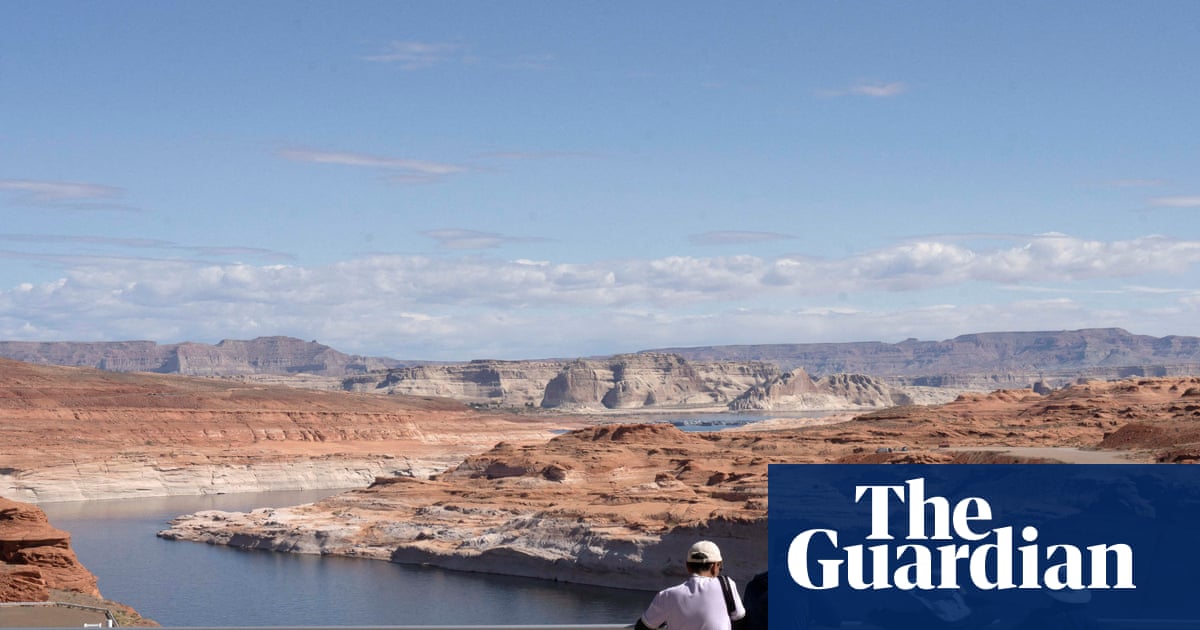
- US proposes 40% cut in Colorado River water for 3 states amid drought
- Trump urges Taiwan to avoid independence amid rising China tensions
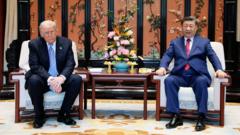
- Xi gives Trump private tour of secret garden in Beijing
🇧🇷 Resumo em Português
O Irã e Omã avançam em um plano polêmico para cobrar taxas de navios que transitam pelo Estreito de Ormuz, uma das rotas mais estratégicas do mundo, por onde passa cerca de 20% do petróleo global. A proposta, ainda em fase de discussão, sinaliza uma mudança na dinâmica regional, com Teerã buscando reforçar seu controle sobre uma área que já foi palco de tensões com os EUA e aliados árabes. Enquanto isso, Washington se posiciona contra a iniciativa, temendo um novo instrumento de pressão política e econômica nas mãos do governo iraniano.
O Estreito de Ormuz é vital para o comércio global, e qualquer decisão sobre taxas ou regulamentação afeta diretamente países dependentes do petróleo do Golfo Pérsico, como o Brasil. Embora Omã não tenha se manifestado publicamente sobre os detalhes, a parceria com o Irã levanta questões sobre a soberania da região e a segurança das rotas marítimas. Para o Brasil, que importa cerca de 60% de seu petróleo, a instabilidade no local pode influenciar preços e suprimentos, além de exigir maior atenção diplomática em um cenário já complexo.
A próxima rodada de negociações deve definir se o plano será implementado, mas a oposição dos EUA já acende um alerta para possíveis retaliações ou conflitos indiretos na região.
🇪🇸 Resumen en Español
Irán y Omán exploran la posibilidad de establecer peajes para los buques que cruzan el estratégico estrecho de Ormuz, una ruta clave para el comercio global. La iniciativa, avanzada por Teherán con el apoyo de Mascate, podría alterar el equilibrio en una zona ya tensionada por conflictos geopolíticos.
La propuesta, criticada por Washington, refleja la creciente influencia de Irán en la región y su estrategia para presionar a sus rivales. Para los lectores hispanohablantes, este movimiento subraya la fragilidad de las rutas comerciales marítimas, esenciales para economías como la española, y el riesgo de nuevos focos de inestabilidad en Oriente Medio. Omán, tradicional mediador, evita pronunciarse sobre los detalles, lo que añade incertidumbre a un escenario ya complejo.
The Guardian
Read full article at The Guardian →This post is a curated summary. All rights belong to the original author(s) and The Guardian.
Was this article helpful?
Discussion