Aid cuts in Gaza leave hundreds of thousands surviving on one lentil meal per week as funding stalls.
- Aid to Gaza fell 37% while only 10% of funding is secured
- Community kitchens now feed hundreds of thousands once a week
- Families rely on lentils as their only food source
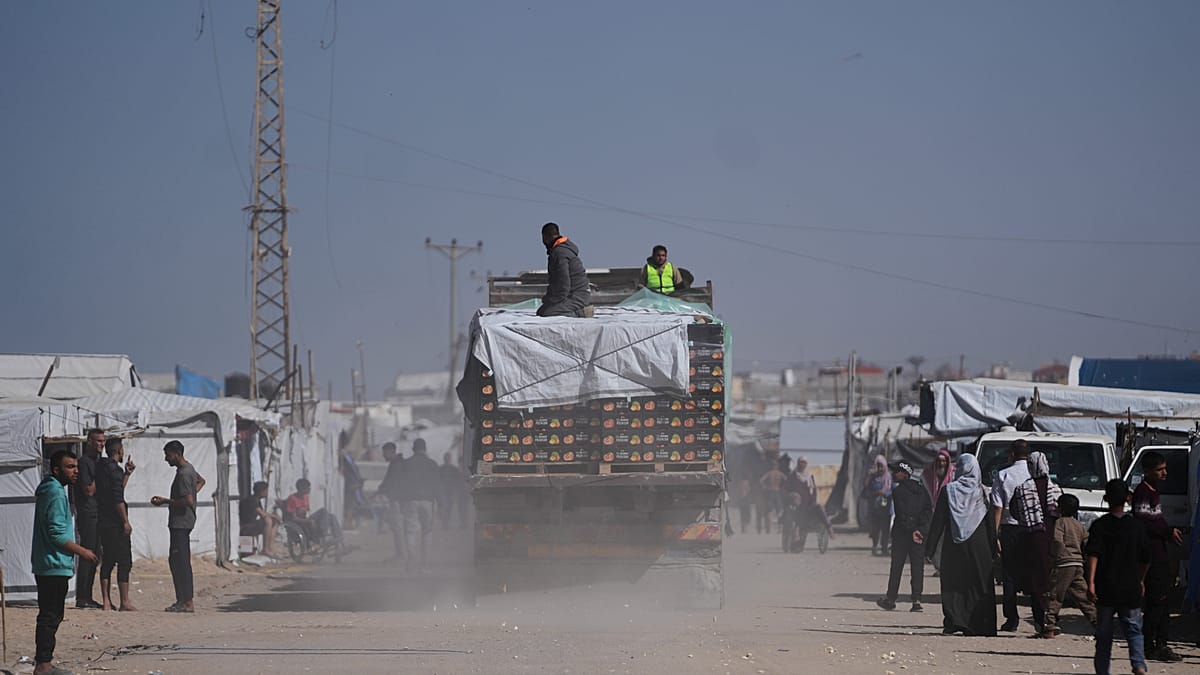
Hundreds of thousands in Gaza are now surviving on a single bowl of lentils once a week as food aid collapses. The drop in deliveries isn’t just numbers—it’s people skipping meals for days, parents watering down milk for their children, and families burning furniture just to stay warm. Aid groups say they’ve seen a 37% cut in food shipments over the past two months while donor funding has only reached 10% of what’s needed this year. That means the United Nations World Food Programme and smaller local kitchens are stretched to the breaking point, rationing what little arrives and turning away desperate families by the thousands. The situation isn’t just bad—it’s catastrophic for a population already living on the edge after years of blockade and repeated conflicts. Families in northern Gaza told Euronews they’ve gone entire weeks without fresh vegetables, meat, or even basic staples like rice. One mother in Jabalia said she’d resorted to feeding her children stale bread soaked in saltwater because she couldn’t afford anything else. The UN estimates 1.1 million people in Gaza now face acute food insecurity, with famine conditions likely in some areas if the trend continues. That’s more than half the territory’s population, crammed into a strip of land barely 25 miles long. ## Aid pipelines are clogged and funding has dried up. The World Food Programme says it’s had to slash rations multiple times since October, cutting flour distributions by 50% and vegetable oil by 30%. Meanwhile, donor pledges from Western governments and Gulf states have been slow to materialize, leaving aid workers scrambling to stretch limited supplies. A senior WFP official in Gaza, who asked not to be named for security reasons, said the agency was now prioritizing deliveries to the north where the situation is worst—but even those convoys are being blocked or delayed by Israeli military operations and administrative hurdles. Local bakeries that once provided bread at subsidized prices have shut down after flour deliveries stopped. The few remaining community kitchens run by NGOs and mosques are overwhelmed, serving plain lentil stew or rice porridge to long lines that start before sunrise. One kitchen manager in Rafah said they used to feed 500 families daily but now turn away 200 more each day for lack of food. ## The economy has collapsed and people can’t afford to buy anything. Gaza’s currency has lost over 40% of its value since the war began, making even basic goods unaffordable. A kilogram of flour that cost about $0.50 before the conflict now sells for $3—when it’s available at all. The UN says food prices have risen 400% in some areas, while wages have vanished. Public sector workers, including doctors and teachers, haven’t been paid in months, pushing more families into reliance on aid. Even when shipments arrive, distribution is chaotic. The UN says 15% of food aid is lost to looting or mismanagement in the chaos of bombardment and displacement. Aid workers describe convoys being hijacked by armed groups or civilians desperate for any scrap of food, while Israeli restrictions on imports—meant to prevent weapons smuggling—have slowed deliveries of even humanitarian goods. ## Doctors warn of a health collapse alongside the hunger crisis. Hospitals in Gaza are reporting a surge in malnutrition cases, especially among children under five. The Gaza Ministry of Health says severe acute malnutrition cases have tripled in the past three months. Malnourished children are showing up with stunted growth, weakened immune systems, and infections that heal slowly in bodies too weak to fight back. Doctors without Borders says it’s treating children with kwashiorkor, a severe form of malnutrition causing swollen bellies and skin lesions. The World Health Organization warns that without urgent intervention, Gaza could see a spike in preventable deaths from starvation-related diseases like cholera or measles. The collapse of the healthcare system means even basic treatments are scarce—some hospitals have run out of antibiotics, IV fluids, and even soap. ## What happens next depends on whether funding and aid can restart. The UN has called for $1.2 billion in emergency funding to prevent a full-blown famine, but so far only $120 million has been pledged. Aid groups say they need a minimum of 200 trucks of food and medical supplies entering Gaza every day to meet basic needs—but the current average is under 100. Israel says it’s allowing some aid through but blames the UN and Hamas for mismanaging distributions. Meanwhile, Hamas officials accuse Israel of using food as a weapon of war by restricting imports. The reality is that both sides are trapped in a cycle of blame while families pay the price. For now, the community kitchens keep operating, but their supplies are dwindling. One kitchen worker in Khan Younis said she’s already started cutting portions in half, knowing it won’t be enough. ‘People are starving,’ she said. ‘We’re just delaying the inevitable.’
What You Need to Know
- Source: Euronews
- Published: May 15, 2026 at 05:00 UTC
- Category: World
- Topics: #euronews · #europe · #world-news · #war · #gaza · #middle-east
Read the Full Story
This is a curated summary. For the complete article, original data, quotes and full analysis:
All reporting rights belong to the respective author(s) at Euronews. GlobalBR News summarizes publicly available content to help readers discover the most relevant global news.
Curated by GlobalBR News · May 15, 2026
Related Articles
- 🎉 250 Articles in World!
- WHO declares Ebola emergency as Congo outbreak spreads to Uganda
- WHO declares Ebola outbreak in DR Congo a global emergency
🇧🇷 Resumo em Português
A crise humanitária em Gaza atinge novo patamar de desespero, com a queda de 37% na distribuição de alimentos e apenas 10% dos recursos financeiros necessários assegurados, enquanto cozinhas comunitárias sobrevivem com lentilhas distribuídas uma vez por semana para alimentar centenas de milhares de pessoas.
O cenário é alarmante não só para a população local, mas também para o Brasil e os países lusófonos, que têm um histórico de solidariedade com conflitos humanitários. A redução drástica da ajuda, somada ao colapso das negociações de financiamento, aprofunda a fome coletiva e expõe a fragilidade do sistema internacional de assistência emergencial. Especialistas alertam que, sem uma resposta urgente, a situação pode se tornar irreversível, com consequências graves para a estabilidade regional e até mesmo para fluxos migratórios inesperados. O Brasil, como membro não permanente do Conselho de Segurança da ONU, já sinalizou preocupação com a escalada do conflito, mas a falta de consenso global emperra ações concretas.
O próximo passo deve vir da comunidade internacional, com pressão para que os países doadores cumpram suas promessas e garantam o acesso irrestrito à ajuda humanitária em Gaza.
🇪🇸 Resumen en Español
La crisis humanitaria en Gaza se agrava con un drástico recorte del 37% en la ayuda alimentaria y la paralización de la mayoría de los fondos internacionales, dejando a la población al borde del colapso nutricional. Las cocinas comunitarias, que antes distribuían comidas diarias, ahora reparten solo una ración semanal de lentejas a cientos de miles de personas, en un escenario donde el hambre se convierte en una amenaza cotidiana.
El bloqueo de fondos, que apenas alcanza el 10% de lo requerido, refleja el abandono de la comunidad internacional ante una emergencia que ya suma más de dos años de guerra. Para los hispanohablantes, este drama evoca recuerdos de otras crisis humanitarias olvidadas, pero con un agravante: la velocidad con la que Gaza se desmorona supera incluso los peores pronósticos. La falta de alimentos no solo acelera la desnutrición infantil, sino que sienta las bases para un desastre sanitario y social de proporciones incalculables, donde la indiferencia global podría ser tan letal como las bombas.
Euronews
Read full article at Euronews →This post is a curated summary. All rights belong to the original author(s) and Euronews.
Was this article helpful?


Discussion