Drone strike hits UAE’s only nuclear plant, no injuries but tensions spike over Strait of Hormuz.
- Drone strike hit UAE’s Barakah nuclear plant Sunday morning
- Fire broke out on plant’s perimeter but no radiation leaks reported
- UAE blames Iran for recent drone and missile attacks nearby
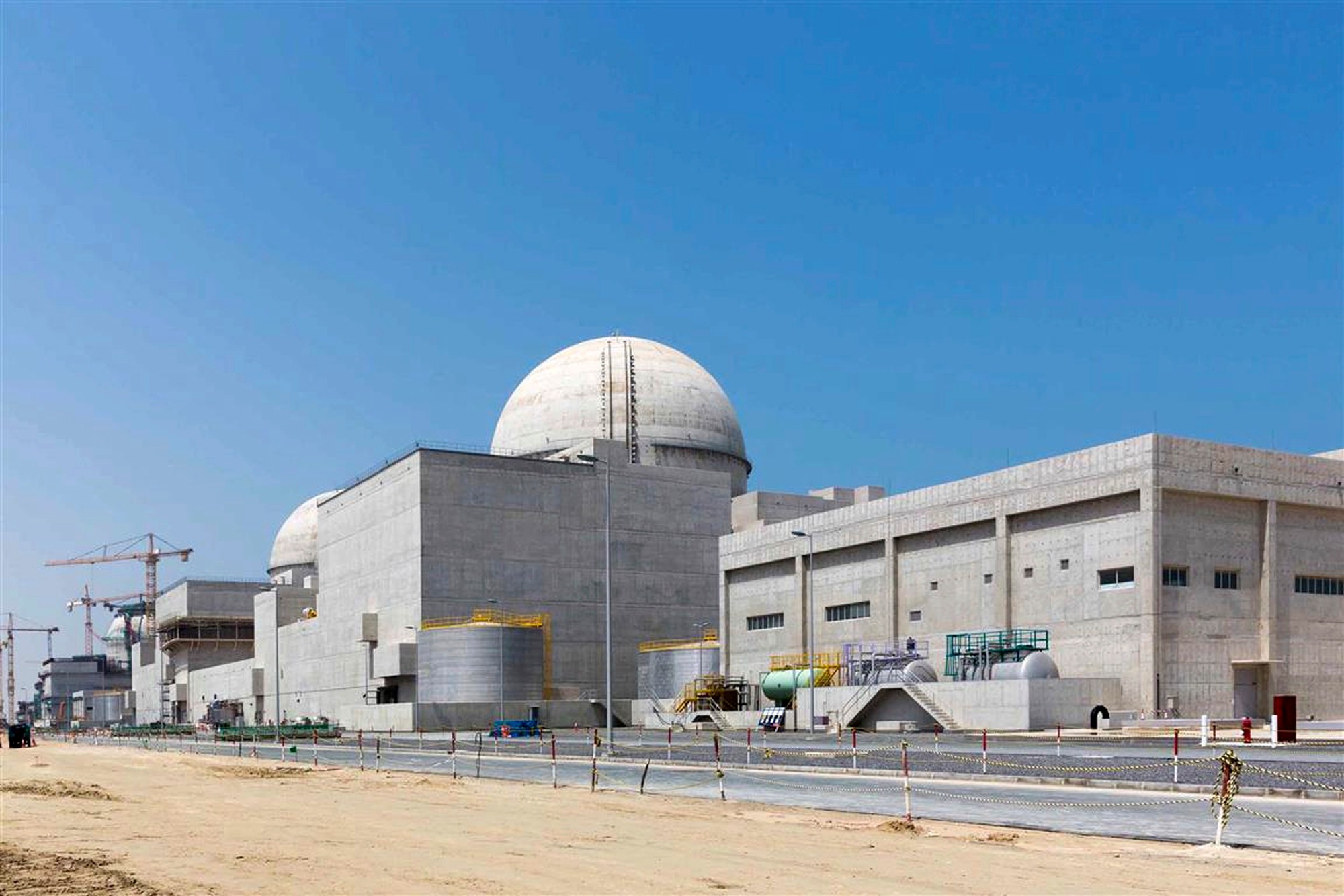
A drone strike targeted the Barakah nuclear power plant in the United Arab Emirates on Sunday, sparking a fire on the facility’s outer fence but causing no injuries or radiation leaks. The attack marked the first time the plant, the UAE’s only nuclear facility, has been directly targeted since the Iran war began five years ago. Authorities confirmed the fire was confined to the perimeter and did not enter operational areas, but the incident immediately raised alarms about the plant’s security and the broader risks of escalation in the region. Barakah nuclear plant is located in Abu Dhabi’s Al Dhafra region and has been operational since 2020, supplying about 25% of the UAE’s electricity. It’s equipped with four South Korean-designed APR-1400 reactors, built with heavy involvement from Korean Electric Power Corporation (KEPCO).
The UAE government did not name a suspect but pointed to Iran, accusing it of launching drone and missile attacks in the region over the past few days. The timing is critical: the Strait of Hormuz, a narrow waterway through which about a fifth of the world’s oil passes daily, has been a flashpoint for months. Iran has maintained a naval blockade in parts of the strait, disrupting shipping and raising tensions with Gulf states. The UAE, a key U.S. ally, has also hosted advanced air defense systems and Israeli military personnel, adding another layer to the conflict. Strait of Hormuz is just 40 miles wide at its narrowest point, making it a choke point for global energy markets.
The attack on Barakah comes as the fragile ceasefire between Iran and the coalition led by the U.S. and Israel remains under strain. The Feb. 28 strike by the U.S. and Israel—widely seen as a response to Iranian aggression in the region—sparked the current war, which has seen sporadic fighting but no full-scale resumption of hostilities. U.S. President Donald Trump told reporters Sunday that hostilities could resume, though he did not specify a timeline. His administration has maintained a hardline stance against Iran, including sanctions and military posturing. Israel, meanwhile, has been a vocal critic of Iran’s nuclear ambitions and regional influence, often aligning with the U.S. on military actions. Israel has also provided intelligence and logistical support to Gulf states in countering Iranian threats.
The UAE’s response has been measured but firm. Officials said the plant’s safety systems worked as designed, and there was no threat to the reactors or spent fuel storage. Still, the incident underscores the vulnerabilities of critical infrastructure in the Gulf, especially as drone technology becomes more accessible to militant groups. The Barakah plant alone cost $25 billion to build and is designed to run for 60-80 years, making it a long-term target for potential attacks. Security experts have long warned that nuclear facilities in volatile regions need constant upgrades to counter evolving threats like drones, cyberattacks, and sabotage.
The broader implications are stark. The Strait of Hormuz is already a powder keg, with Iran seizing tankers and the U.S. conducting naval patrols to protect shipping. Any disruption here could send global oil prices soaring and trigger a regional conflict. The UAE, despite its wealth and alliances, remains exposed. The attack on Barakah isn’t just about one plant—it’s about the message it sends. If Iran or its proxies can target a nuclear facility with impunity, what’s next? The coming days will show whether this was a one-off incident or the start of a new wave of violence. For now, the UAE is reviewing its defenses, and the world is watching the Strait of Hormuz more closely than ever.
What You Need to Know
- Source: Fortune
- Published: May 17, 2026 at 14:59 UTC
- Category: Business
- Topics: #fortune · #business · #economy · #war · #conflict · #drone
Read the Full Story
This is a curated summary. For the complete article, original data, quotes and full analysis:
All reporting rights belong to the respective author(s) at Fortune. GlobalBR News summarizes publicly available content to help readers discover the most relevant global news.
Curated by GlobalBR News · May 17, 2026
Related Articles
- Zillow’s remote-only hiring brings in talent from all 50 states
- Your fixed mortgage payment keeps rising — here’s why
- Why working-class voices matter for UK culture and media
🇧🇷 Resumo em Português
Um ataque com drone provocou um incêndio na única usina nuclear dos Emirados Árabes Unidos (EAU) no domingo, marcando a primeira vez que a instalação é alvo desde o início da guerra com o Irã. O incidente, que ocorreu em Barakah — a principal central nuclear do país —, acendeu o alerta sobre um possível agravamento do conflito regional, especialmente diante das crescentes tensões envolvendo a passagem estratégica pelo Estreito de Ormuz.
O ataque ocorre em um momento delicado para a segurança energética global e regional, já que o Irã tem intensificado suas ameaças contra infraestruturas críticas no Golfo Pérsico, inclusive após a escalada de sanções e o aumento da presença militar estrangeira na área. Para o Brasil, que depende fortemente de importações de petróleo e mantém relações comerciais com países do Oriente Médio, a instabilidade na região pode impactar preços de combustíveis e cadeias de suprimento, além de redefinir alianças geopolíticas. A usina de Barakah, inaugurada em 2020 e operada pela empresa Emirates Nuclear Energy Corporation (ENEC), é um símbolo da aposta dos EAU em energia limpa, mas agora se torna alvo de um cenário de guerra que pode se espalhar.
Enquanto autoridades locais investigam a origem do drone e os danos causados, especialistas alertam para o risco de um conflito aberto no Golfo, que poderia desestabilizar ainda mais a economia global. O próximo passo será apurar responsabilidades e evitar uma escalada descontrolada, mas o incidente já serve como um sinal de que a paz na região está mais frágil do que nunca.
🇪🇸 Resumen en Español
Un ataque con dron ha puesto en jaque la seguridad energética de Oriente Medio al provocar un incendio en la única central nuclear de Emiratos Árabes Unidos, un incidente sin precedentes desde el inicio de la guerra con Irán. El suceso, que ha encendido las alarmas sobre la estabilidad regional, se produce en un contexto de creciente tensión por el control del estratégico Estrecho de Ormuz, eje del comercio global de petróleo.
La central de Barakah, ubicada en Abu Dabi y operada por la empresa emiratí Nawah Energy Company, se ha convertido en el último foco de una crisis que trasciende fronteras. Aunque las autoridades locales minimizaron el riesgo radiológico y aseguraron que el fuego fue controlado rápidamente, el ataque subraya la vulnerabilidad de infraestructuras críticas en una zona donde los conflictos geopolíticos —desde las sanciones a Irán hasta las disputas por el gas en el Mediterráneo— amenazan con desestabilizar el suministro energético mundial. Para los lectores hispanohablantes, este episodio no solo refleja el pulso entre potencias regionales, sino que también plantea preguntas sobre la seguridad de las inversiones europeas en energía nuclear, cada vez más consideradas como alternativa frente a la dependencia del gas ruso.
Fortune
Read full article at Fortune →This post is a curated summary. All rights belong to the original author(s) and Fortune.
Was this article helpful?



Discussion