UN warns 3 billion face housing shortages as Baku forum opens with slum populations set to triple by 2050.
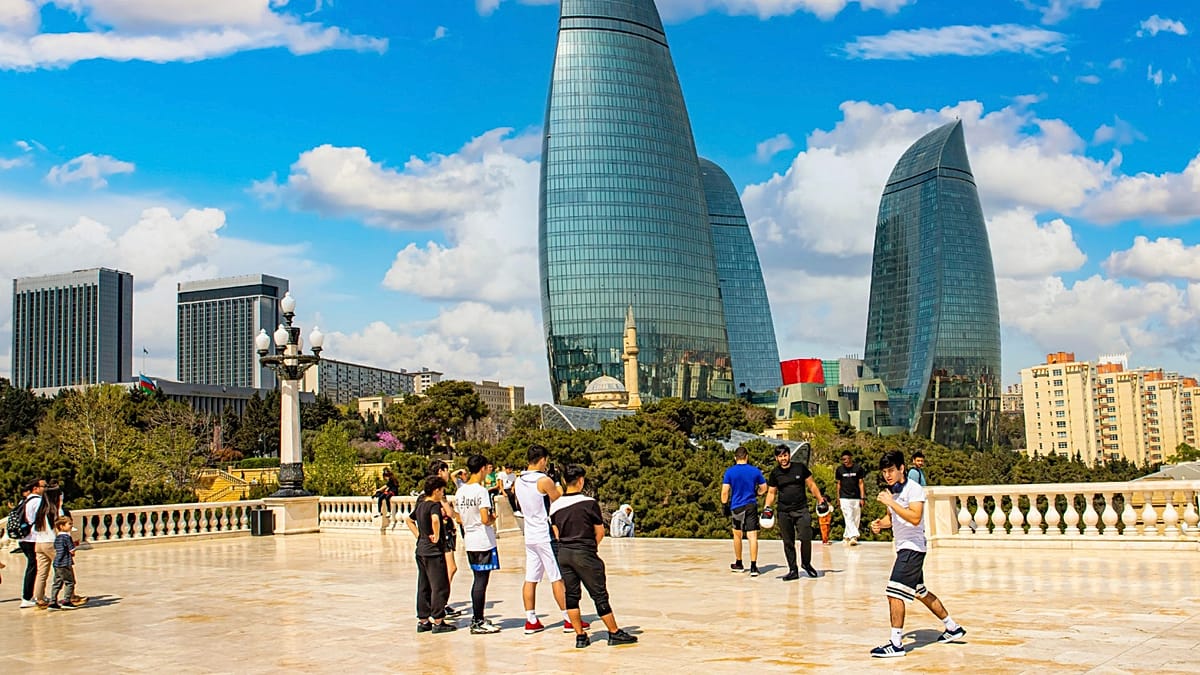
- UN-Habitat reports 3 billion lack adequate housing globally
- Slum populations could triple by 2050 if trends continue
- 28,000 delegates meet in Baku for World Urban Forum
The United Nations Human Settlements Programme (UN-Habitat) has issued a stark warning ahead of the World Urban Forum in Baku, Azerbaijan: 3 billion people worldwide lack adequate housing, and slum populations could triple by 2050 if current trends persist. The forum, which runs from November 8 to 13, brings together over 28,000 delegates including government officials, urban planners, and community leaders to address the escalating global housing crisis.
The World Urban Forum, established in 2001, serves as the premier global conference on sustainable urbanization. This year’s gathering in Baku, themed “Urban futures for a better world,” will focus on solutions to the growing housing shortage and its broader impacts on inequality, climate change, and social stability. UN-Habitat’s latest data reveals that 1.6 billion people currently live in substandard housing, while another 1.4 billion lack access to basic services like clean water and sanitation.
Slum populations rise as urbanization accelerates
Urbanization is accelerating at an unprecedented rate, with the world’s urban population expected to reach 6.7 billion by 2050, up from 4.4 billion today. This rapid growth is straining cities’ ability to provide affordable, safe housing. The UN estimates that without urgent intervention, slum populations could swell from 1 billion today to 3 billion by mid-century. The most affected regions include sub-Saharan Africa and South Asia, where informal settlements are expanding fastest.
Experts warn that the housing crisis is not limited to developing nations. In wealthy countries, rising rents, homelessness, and gentrification are pushing more people into precarious living conditions. The forum will examine policy responses, including rent control measures, social housing initiatives, and innovative financing models to make urban living more affordable.
Baku forum to tackle policy and innovation
The World Urban Forum in Baku will feature high-level discussions, workshops, and exhibitions showcasing housing solutions from around the world. Key topics include sustainable urban planning, climate-resilient infrastructure, and inclusive growth strategies. Delegates will also examine the role of technology, such as AI-driven urban planning tools and modular construction, in addressing the crisis.
UN-Habitat’s executive director Maimunah Mohd Sharif is expected to highlight the urgency of coordinated global action. “Cities are where the battle for sustainable development will be won or lost,” she stated in a recent briefing. “We must act now to ensure that urban growth does not deepen inequality or exacerbate environmental degradation.”
The forum’s outcomes could influence international housing policies ahead of the 2026 UN-Habitat Assembly. Past forums have led to commitments like the New Urban Agenda, adopted in 2016 to guide sustainable urban development. This year’s event may yield new frameworks to combat homelessness and informal settlements.
The housing crisis is intertwined with other global challenges, including climate change and migration. Rising sea levels threaten coastal cities, displacing millions, while conflicts and economic instability force people into overcrowded, unsafe housing. The Baku forum will explore how cities can adapt to these pressures while ensuring no one is left behind.
What You Need to Know
- Source: Euronews
- Published: May 16, 2026 at 05:00 UTC
- Category: World
- Topics: #euronews · #europe · #world-news · #war · #conflict · #more
Read the Full Story
This is a curated summary. For the complete article, original data, quotes and full analysis:
All reporting rights belong to the respective author(s) at Euronews. GlobalBR News summarizes publicly available content to help readers discover the most relevant global news.
Curated by GlobalBR News · May 16, 2026
Related Articles
- Eurovision 2024 faces scrutiny over Israel’s participation amid war
- US Justice Department preparing indictment against Raúl Castro
- US planning to criminally indict ex-Cuban leader Raúl Castro
🇧🇷 Resumo em Português
O mundo vive uma crise silenciosa, mas devastadora: a falta de moradia digna atinge 3 bilhões de pessoas, e as favelas podem triplicar até 2050, alerta a ONU-Habitat durante o Fórum Urbano Mundial em Baku, onde mais de 28 mil delegados se reúnem para discutir o futuro das cidades. Enquanto a atenção global se volta para conflitos e eleições, a habitação insalubre se espalha como uma epidemia, ameaçando a estabilidade social e o desenvolvimento econômico de nações inteiras, inclusive do Brasil.
O Fórum Urbano Mundial, realizado a cada dois anos desde 2002, é um dos espaços mais importantes para debater políticas públicas que possam reverter esse cenário. Para o Brasil, o evento é especialmente relevante, já que o país ainda luta contra o déficit habitacional de milhões de famílias, além de desafios como a ocupação irregular de terras e a especulação imobiliária nas grandes cidades. A discussão sobre financiamento público, urbanização sustentável e participação comunitária nas decisões ganha urgência diante da crescente desigualdade, que se agrava com a crise climática, que já afeta diretamente as comunidades mais vulneráveis.
Se nada for feito, a previsão da ONU pode se tornar realidade, transformando a falta de moradia em uma das maiores crises humanitárias do século. Os próximos passos incluem cobrar dos governos ações concretas e pressionar por investimentos em políticas habitacionais inclusivas.
🇪🇸 Resumen en Español
El noveno Foro Urbano Mundial, celebrado en Bakú con la presencia de más de 28.000 delegados, ha encendido las alarmas globales al revelar que casi 3.000 millones de personas carecen de un hogar digno, una crisis que podría agravarse hasta triplicar la población en barrios marginales para 2050.
Este encuentro de la ONU, centrado en el desarrollo sostenible de las ciudades, subraya un problema que trasciende fronteras: desde Latinoamérica hasta África, el crecimiento descontrolado de urbes y la especulación inmobiliaria ahogan a millones. Para los hispanohablantes, la advertencia es clara: el déficit habitacional no solo es un drama social, sino un detonante de desigualdad, inseguridad y migraciones forzadas, que exige políticas públicas urgentes y cooperación internacional.
Euronews
Read full article at Euronews →This post is a curated summary. All rights belong to the original author(s) and Euronews.
Was this article helpful?


Discussion