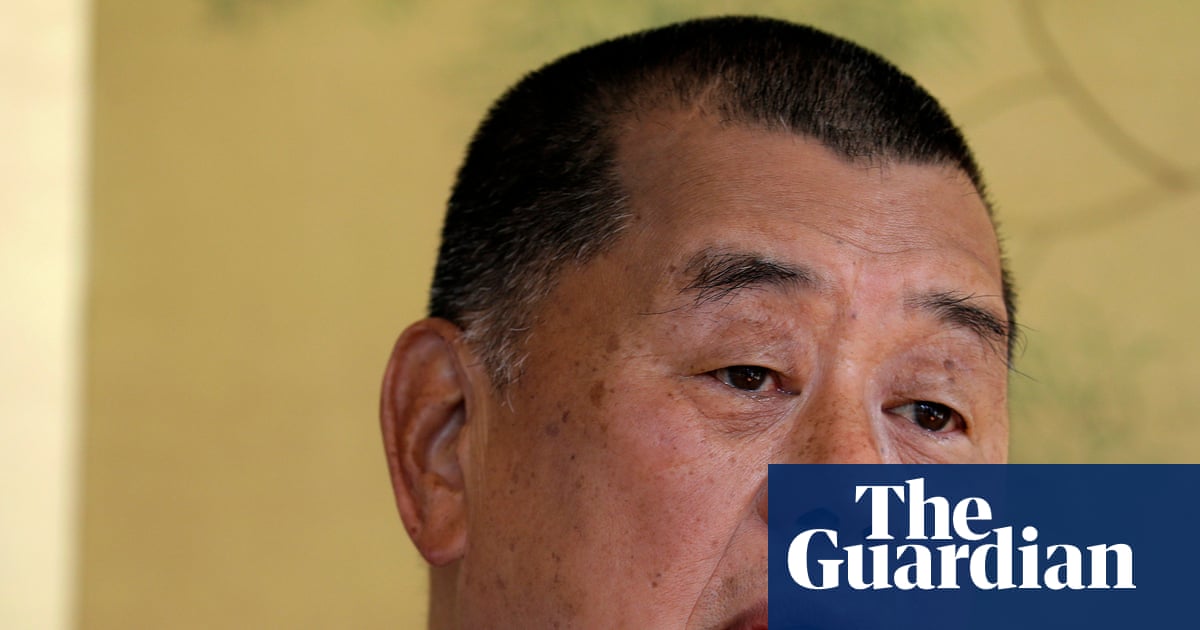
Trump raised Jimmy Lai's case with Xi Jinping but expressed pessimism over the jailed Hong Kong activist's freedom.
- Trump discussed Jimmy Lai's case directly with Xi Jinping in Beijing
- U.S. president admitted he is 'not optimistic' about Lai's release
- Lai, 78, jailed in Hong Kong for pro-democracy activism
U.S. President Donald Trump raised the case of Jimmy Lai with Chinese leader Xi Jinping during high-level talks in Beijing, but emerged from the summit expressing little hope for the 78-year-old jailed Hong Kong democracy campaigner. Speaking to reporters on Wednesday, Trump said he was “not optimistic” about Lai’s prospects, though he declined to provide further details about the private discussions.
The meeting between Trump and Xi came as part of a broader diplomatic engagement in Beijing, where the U.S. president is seeking to ease trade tensions and address regional security concerns. A senior administration official confirmed that Lai’s situation was raised during closed-door negotiations, but China responded by calling the matter “a tough one,” signaling resistance to foreign intervention in what Beijing considers an internal legal matter.
Lai, a prominent critic of the Hong Kong government and founder of the now-shuttered Apple Daily newspaper, has been detained since 2020 under the sweeping National Security Law imposed by Beijing. He faces charges including fraud and collusion with foreign forces, which supporters argue are politically motivated attempts to silence dissent in the city. His trial has drawn international condemnation, with human rights groups and Western governments calling for his immediate release.
Hong Kong’s National Security Law Casts Long Shadow
The case of Jimmy Lai is inextricably linked to Hong Kong’s harsh National Security Law, which criminalizes acts deemed subversive, secessionist, or collusive with foreign entities. Since its implementation in 2020, the law has led to the arrests of over 250 activists, journalists, and opposition figures, sparking widespread criticism that it has eroded the city’s once-vaunted autonomy under the “one country, two systems” framework. Critics argue that the law is being used to suppress political opposition and stifle free speech.
Lai’s detention has become a symbol of Beijing’s crackdown on dissent in Hong Kong. His supporters, including British Prime Minister Rishi Sunak and U.S. lawmakers, have repeatedly demanded his release, with some calling for sanctions against Chinese officials involved in his prosecution. The U.S. State Department has also designated Lai as “wrongfully detained,” a move that increases diplomatic pressure on Beijing.
Trump’s Limited Leverage in Beijing Talks
Despite Lai’s British citizenship and international outrage over his detention, Trump’s ability to influence China’s actions remains constrained. During his visit, the U.S. president focused primarily on trade and economic issues, with human rights concerns taking a backseat in public statements. A senior White House official, speaking on condition of anonymity, acknowledged that while the administration continues to monitor Lai’s case, there were no immediate plans to escalate pressure on Beijing beyond existing sanctions and diplomatic démarches.
The outcome of Lai’s legal battle now rests largely in the hands of Hong Kong’s judiciary, which operates under the shadow of the National Security Law. Legal experts warn that the system has become increasingly politicized, with judges facing unprecedented scrutiny and pressure to deliver convictions in cases tied to national security. Lai’s trial, which has been repeatedly delayed, is now expected to resume in late 2024, though no official date has been set.
International observers will closely watch whether Lai’s case becomes a bargaining chip in broader U.S.-China relations or remains a human rights flashpoint. While Trump’s remarks suggest limited progress, activists insist that global pressure must not wane. “This isn’t just about one man,” said a spokesperson for the Hong Kong Democracy Council. “It’s about the future of freedom in Hong Kong.”
For now, Lai’s family and supporters say they will continue advocating for his release, though the road ahead appears increasingly difficult. With Trump’s pessimism echoing the sentiments of many observers, the fight to free Jimmy Lai may hinge on sustained international pressure—and whether Beijing sees a strategic reason to relent.
What You Need to Know
- Source: The Guardian
- Published: May 16, 2026 at 03:28 UTC
- Category: World
- Topics: #guardian · #world-news · #international · #politics · #government · #donald-trump
Read the Full Story
This is a curated summary. For the complete article, original data, quotes and full analysis:
All reporting rights belong to the respective author(s) at The Guardian. GlobalBR News summarizes publicly available content to help readers discover the most relevant global news.
Curated by GlobalBR News · May 16, 2026
Related Articles
- Eurovision 2024 faces scrutiny over Israel’s participation amid war
- US Justice Department preparing indictment against Raúl Castro
- US proposes 40% cut in Colorado River water for 3 states amid drought
🇧🇷 Resumo em Português
O destino de Jimmy Lai, um dos mais conhecidos ativistas pró-democracia de Hong Kong, volta ao centro das atenções globais após o presidente dos EUA, Donald Trump, admitir que não tem “otimismo” quanto à sua soltura nos bastidores da cúpula com Xi Jinping em Pequim. A declaração, feita em meio a tensões diplomáticas e comerciais, reacende debates sobre a liberdade de expressão na China e o papel do Ocidente em defender dissidentes em territórios sob controle de Pequim.
Jimmy Lai, 76 anos, fundador do jornal Apple Daily — fechado em 2021 após repressão governamental —, cumpre pena de 5 anos e 9 meses por fraude, mas ativistas e governos ocidentais veem suas acusações como politicamente motivadas. A prisão de Lai, que também enfrenta processo sob a controversa Lei de Segurança Nacional de Hong Kong, é emblemática dos crescentes ataques à mídia livre e à oposição no território. Para o Brasil e os falantes de português, o caso reforça discussões sobre soberania versus direitos humanos, especialmente em um momento em que governos de língua portuguesa também enfrentam pressões sobre liberdade de imprensa.
A revelação de Trump sugere que, mesmo com diálogos de alto nível, a situação de Lai — e de outros prisioneiros políticos — pode não avançar, deixando o mundo de língua portuguesa a questionar até onde a diplomacia pode ir em defesa da democracia.
🇪🇸 Resumen en Español
Donald Trump mantuvo un encuentro con Xi Jinping en Pekín, donde abordó la situación del magnate hongkonés Jimmy Lai, encarcelado por su activismo prodemocracia, aunque reconoció no albergar esperanzas sobre su liberación. El expresidente estadounidense, que ha mantenido un tono ambiguo hacia China en el pasado, usó su influencia para interceder en el caso, pero las señales no son alentadoras.
La detención de Lai, símbolo de la represión contra la disidencia en Hong Kong, refleja la creciente tensión entre Pekín y los valores democráticos que Occidente defiende. Para los hispanohablantes, este episodio subraya cómo los intereses geopolíticos —como los de Trump— chocan con los derechos humanos, una cuestión que resuena en regiones donde la libertad de prensa y la oposición al autoritarismo son temas sensibles. La falta de avances en su liberación podría agravar las críticas a la política exterior de EE.UU. hacia Asia, especialmente si se interpreta como un guiño a la estabilidad comercial sobre la justicia.
The Guardian
Read full article at The Guardian →This post is a curated summary. All rights belong to the original author(s) and The Guardian.
Was this article helpful?

Discussion