Reese Witherspoon built a $900 million media company after Hollywood kept giving her bad female roles.
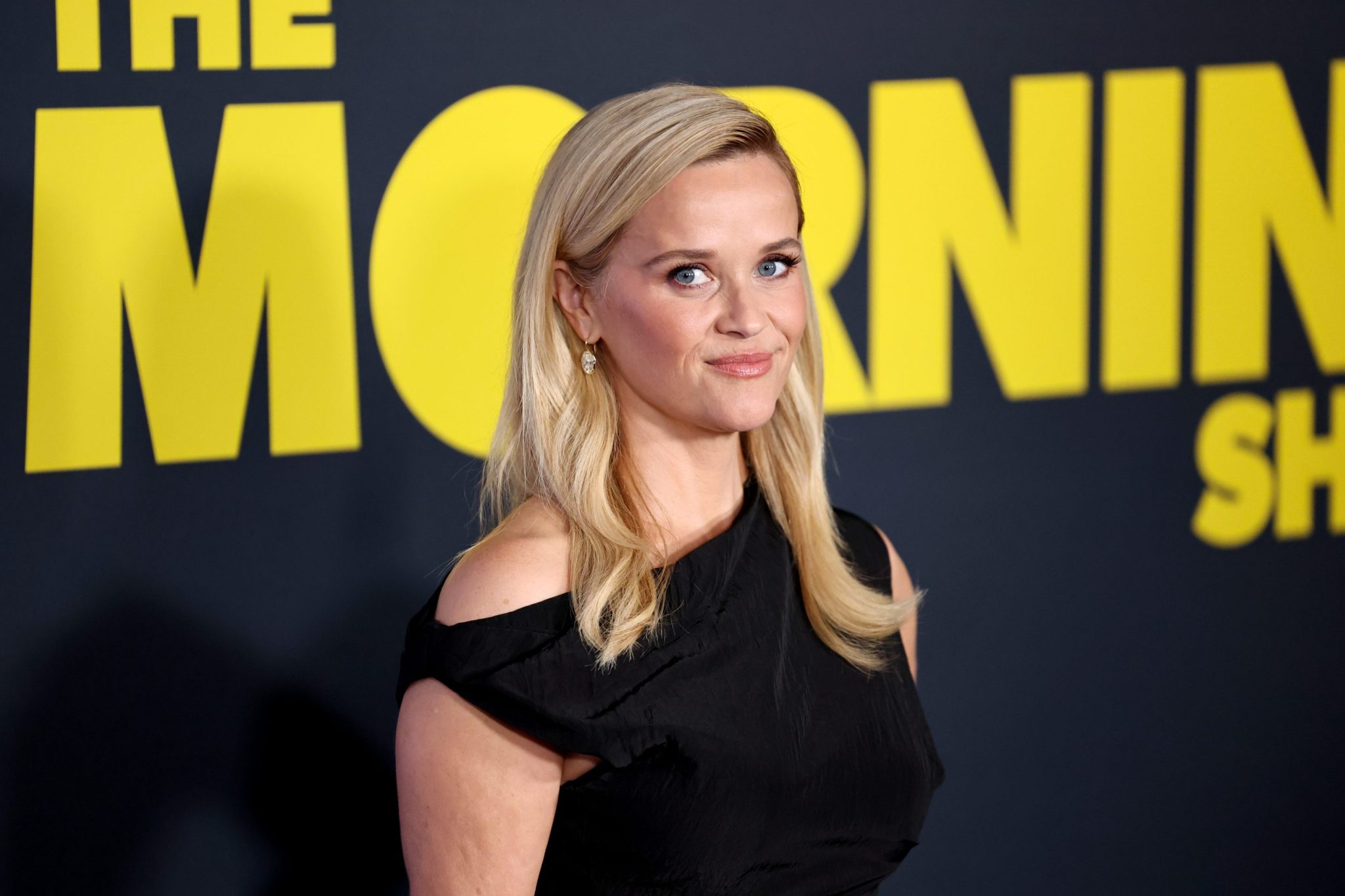
- Founded Hello Sunshine in 2011 after years of rejecting degrading scripts
- Company sold for $900 million in 2020 to a private equity group
- Witherspoon credits her 'no one was coming to save me' mentality
Reese Witherspoon didn’t set out to build a business. But by 2011, the frustration grew too big to ignore. She’d spent two decades in Hollywood, earning an Oscar and becoming one of its most bankable stars. Yet the scripts kept landing on her desk were the same tired tropes: women reduced to sidekicks or love interests, jokes that crossed lines, stories that never let them lead. “The scripts were abysmal and really demeaning,” she told Harvard Business School’s Reza Satchu on a recent episode of Founder Mindset. “One project built around a man with two women just vying for his affection really pushed me over the edge because of its gross jokes and scatological humor.”
That moment became the spark. Witherspoon decided enough was enough. She wasn’t just walking away—she was building something better. In 2011, she launched Hello Sunshine, a media company focused on female-driven stories. The name came from a line in her 2001 film Legally Blonde: “What, like it’s hard?” It became her mantra. “No one was coming to save me,” she said. “I had to save myself—and all the women who felt the same way.”
She bet on stories Hollywood ignored
At the time, Hollywood’s math was simple: male-led blockbusters made money, so female-led films didn’t get the same attention. Witherspoon saw the gap. She didn’t just want to star in better stories—she wanted to create them. Hello Sunshine started as a production company but quickly grew into a full-stack media business. It developed books into TV shows, produced films, and even launched a podcast network. The company’s first major hit was Big Little Lies (2017), the HBO series based on Liane Moriarty’s novel, which starred Witherspoon alongside Nicole Kidman and Meryl Streep. The show became a cultural phenomenon, winning multiple Emmys and proving there was a hungry audience for complex female stories.
That success wasn’t just luck. Witherspoon handpicked stories with depth, featuring women who weren’t just side characters but the heart of the narrative. She also used her star power to attract talent. Jennifer Garner joined as a producer, and Mindy Kaling signed on to adapt her book Is Everyone Hanging Out Without Me? into a Netflix series. The company’s reach expanded beyond TV into digital content, books, and even a partnership with Apple TV+ for The Morning Show, a drama set in a morning news studio that tackled power, ambition, and #MeToo-era workplace dynamics.
The business side: from idea to $900 million exit
Hello Sunshine wasn’t just a passion project—it was a calculated bet on a market that Hollywood had overlooked. By 2016, the company had raised $50 million in venture capital, valuing it at over $300 million. Investors saw the potential in monetizing female audiences, a group that had long been underserved by content tailored to them. Witherspoon structured Hello Sunshine to control every part of the process: development, production, distribution, and even audience engagement. She leaned into data, using analytics to figure out what stories resonated with women across age groups and backgrounds.
The big payoff came in June 2020. Hello Sunshine sold to a private equity group led by Blackstone for $900 million. The deal included a minority investment from Witherspoon herself, showing she still believed in the company’s mission. At the time, the sale made headlines as one of the largest media acquisitions in years. It also sent a signal: the entertainment industry’s old ways weren’t sustainable anymore. Women weren’t just watching—they were demanding better stories, and companies like Hello Sunshine were proving there was money in meeting that demand.
The ripple effect: changing who gets to tell stories
Witherspoon’s impact extends beyond the balance sheet. Hello Sunshine helped launch or boost the careers of several actresses-turned-producers, giving them a platform to create their own projects. Stars like Laura Dern, who won an Emmy for Big Little Lies, and Kerry Washington, who starred in Little Fires Everywhere (another Hello Sunshine production), used the company’s resources to take creative control. The company also pushed for diversity in front of and behind the camera, greenlighting stories that reflected a broader range of female experiences.
Critics credit Witherspoon with helping shift Hollywood’s focus toward female-led content that wasn’t just marketed to women but made by women. Her approach wasn’t about tokenism—it was about economics. “Women make up 51% of the population,” she told Satchu. “So why are we only getting 30% of the roles? That math doesn’t add up.” The numbers back her up: films with female protagonists earn more at the box office per dollar spent than male-led movies, according to a 2018 USC Annenberg study.
What’s next? Witherspoon isn’t slowing down
Even after the sale, Witherspoon didn’t walk away. She stayed on as chairwoman of Hello Sunshine and kept investing in new projects. She’s also focused on her other ventures, like Draper James, her Southern lifestyle brand, and her production deal with Warner Bros. These days, she’s more interested in the why behind the stories than the business itself. “I’m not a CEO who loves spreadsheets,” she admitted. “I’m a storyteller. But I learned that if I want to tell the stories I believe in, I have to understand the business side too.”
For Witherspoon, the fight isn’t over. Hollywood still has a long way to go. But Hello Sunshine proved one thing: when women get the chance to lead, audiences show up. And that’s a lesson the industry can’t ignore forever. As she put it: “I had to save myself. And now, we’re saving the industry one story at a time.”
What You Need to Know
- Source: Fortune
- Published: May 17, 2026 at 11:00 UTC
- Category: Business
- Topics: #fortune · #business · #economy · #entertainment · #movies · #hollywood
Read the Full Story
This is a curated summary. For the complete article, original data, quotes and full analysis:
All reporting rights belong to the respective author(s) at Fortune. GlobalBR News summarizes publicly available content to help readers discover the most relevant global news.
Curated by GlobalBR News · May 17, 2026
Related Articles
- Zillow’s remote-only hiring brings in talent from all 50 states
- Why working-class voices matter for UK culture and media
- Kevin Warsh’s Fed takeover: 5 things Wall Street is really watching
🇧🇷 Resumo em Português
A atriz Reese Witherspoon não se contentou em ser apenas mais uma estrela de Hollywood e transformou sua frustração com o machismo na indústria em um império midiático avaliado em US$ 900 milhões. Com um golpe de mestre, ela não apenas mudou sua carreira, mas redefiniu o mercado de entretenimento ao apostar em histórias lideradas por mulheres, provando que o público brasileiro também merece (e consome) narrativas com protagonismo feminino forte.
O sucesso de Witherspoon no Brasil — onde produções como a série Big Little Lies, que ela estrelou e produziu, fizeram enorme sucesso — mostra que o mercado brasileiro, muitas vezes subestimado pela indústria global, tem fome de conteúdo diverso e autêntico. Sua estratégia de criar a Hello Sunshine, focada em projetos femininos, chegou em um momento em que o Brasil discute cada vez mais a representatividade nas telas, desde novelas até séries de streaming. Com isso, ela não só quebrou barreiras nos EUA, mas também inspirou produtoras locais a investirem em vozes femininas, mostrando que o talento não tem gênero.
Agora, a grande pergunta é: até quando as grandes produtoras brasileiras vão terceirizar essa inovação para estrangeiros, ou finalmente verão o potencial de apostar em suas próprias Reese Witherspoons?
🇪🇸 Resumen en Español
La actriz y productora Reese Witherspoon convirtió su descontento con la industria cinematográfica en un imperio mediático valorado en 900 millones de dólares, demostrando que el talento y la determinación pueden transformar los obstáculos en oportunidades. Tras años de ver cómo los papeles femeninos en Hollywood quedaban relegados a roles secundarios o estereotipados, Witherspoon decidió tomar las riendas de su carrera y de otras mujeres en la industria.
Su estrategia se basó en crear contenido con perspectiva de género, fundando la productora Hello Sunshine en 2016, que se especializó en adaptaciones de libros con protagonistas femeninas. Con producciones como Big Little Lies o Little Fires Everywhere, no solo revitalizó su imagen como actriz, sino que también impulsó proyectos que antes eran ignorados por los grandes estudios. Para el público hispanohablante, su caso es un ejemplo de cómo romper barreras en una industria dominada por hombres y de la importancia de apostar por narrativas inclusivas, tanto en el cine como en otros sectores culturales.
Fortune
Read full article at Fortune →This post is a curated summary. All rights belong to the original author(s) and Fortune.
Was this article helpful?


Discussion