Compact telescope captures deep-space images in urban backyards thanks to advanced light-pollution correction.
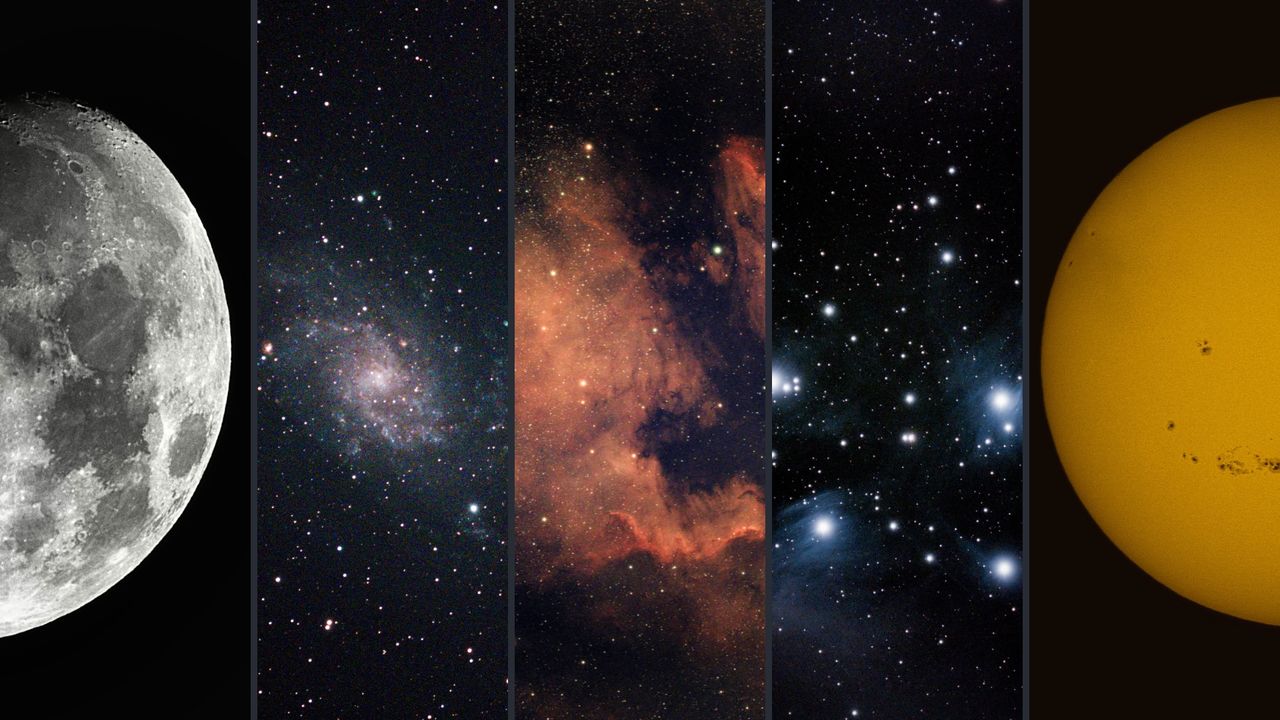
- Compact telescope captured sharp deep-space images in urban backyards
- Test shots included Veil Nebula, Andromeda Galaxy, and Pleiades
- Advanced tech overcomes light pollution for astrophotography
📰 Continuing coverage: Mars orbiter captures striking images of ‘chaos and craters’ carved by ancient floods
A compact telescope, the Vaonis Vespera Pro, proved that detailed astrophotography is possible even in heavily light-polluted urban backyards. The device captured sharp images of deep-space objects including the Veil Nebula, the Andromeda Galaxy (M31), and the Pleiades (M45) despite the glow of nearby streetlights and terraced houses. The results challenge the common belief that only remote, dark-sky locations can produce high-quality astronomical images. The telescope’s success suggests that advanced technology can now overcome one of the biggest barriers to backyard stargazing: light pollution. The Bortle scale, which measures sky darkness, typically ranks suburban areas as Class 5 or 6, where faint deep-space objects are nearly invisible to the naked eye. The Vespera Pro, however, bypasses this limitation with built-in light-pollution filters and automated image processing. The device’s performance opens new possibilities for amateur astronomers who lack access to dark-sky sites. Images captured include the Veil Nebula’s NGC 6960 and NGC 6992 sections, the North America Nebula, the Triangulum Galaxy, and star clusters like the Hercules Cluster and the Double Cluster in Perseus. Exposure times ranged from 12 minutes for star clusters to over 4 hours for the North America Nebula. The telescope also successfully imaged the moon and the sun, demonstrating its versatility for solar and lunar observations. Its automated alignment and tracking system allows users to select objects from a database and let the device do the rest, simplifying the process for beginners. The Vespera Pro retails for around $2,000, placing it in the mid-range of consumer astrophotography equipment. While not a replacement for professional observatory-grade telescopes, it offers a practical solution for urban astronomers seeking to capture cosmic phenomena without leaving their property. The breakthrough highlights the rapid advancements in consumer-grade astronomical technology, making deep-space photography more accessible than ever. Experts note that such devices could encourage more people to engage with astronomy, even in densely populated areas where traditional stargazing is nearly impossible. The telescope’s success also raises questions about the future of light-pollution solutions, as more individuals gain the ability to explore the universe from their backyards.
What You Need to Know
- Source: Space.com
- Published: May 15, 2026 at 15:00 UTC
- Category: Science
- Topics: #space · #astronomy · #nasa · #science · #surrounded · #vaonis-vespera-pro
Read the Full Story
This is a curated summary. For the complete article, original data, quotes and full analysis:
All reporting rights belong to the respective author(s) at Space.com. GlobalBR News summarizes publicly available content to help readers discover the most relevant global news.
Curated by GlobalBR News · May 15, 2026
Related Articles
- 5 Ways to Vet Social Media Health Advice Before Trying It
- Your Body Clock May Enhance The Benefits of Exercise, Study Finds
- Study finds yawns contagious before birth, even more than thought
🇧🇷 Resumo em Português
Câmeras caseiras de telescópios estão revelando segredos do universo profundo mesmo em quintais brasileiros onde a poluição luminosa ofusca as estrelas, provando que a tecnologia pode superar os limites da observação celeste.
O feito foi possível graças ao telescópio Vaonis Vespera Pro, capaz de capturar imagens nítidas de galáxias, nebulosas e aglomerados estelares mesmo sob o brilho artificial das cidades, um problema crescente no Brasil — onde grandes centros urbanos como São Paulo e Rio de Janeiro enfrentam um dos céus mais poluídos do mundo. Para astrônomos amadores e pesquisadores no país, essa inovação representa uma revolução: possibilita a continuidade de estudos e registros astronômicos sem depender de locais remotos ou de alto custo, democratizando o acesso à astronomia de alta qualidade. Além disso, o equipamento usa inteligência artificial para processar imagens em tempo real, reduzindo a interferência da luz artificial e permitindo que imagens antes exclusivas de observatórios profissionais sejam feitas do sofá de casa.
Esse avanço sinaliza um futuro em que a astronomia não será mais refém da escuridão natural, mas sim da criatividade humana — e deve inspirar uma nova geração de cientistas a explorar o cosmos sem sair do quintal.
🇪🇸 Resumen en Español
Un aficionado a la astronomía ha logrado capturar imágenes nítidas del espacio profundo desde su propio jardín, desafiando la contaminación lumínica que suele arruinar las observaciones.
La innovación llega de la mano del telescopio Vaonis Vespera Pro, un dispositivo diseñado para filtrar el exceso de luz artificial y procesar imágenes con una claridad sin precedentes. Este avance no solo democratiza la observación astronómica, al permitir que cualquier persona, incluso en zonas urbanas, explore nebulosas y galaxias, sino que también subraya cómo la tecnología puede mitigar los efectos de problemas globales como la polución lumínica. Para los hispanohablantes, especialmente en ciudades densamente pobladas, representa una ventana abierta al cosmos sin necesidad de desplazarse a lugares remotos, democratizando el acceso a la ciencia desde sus hogares.
Space.com
Read full article at Space.com →This post is a curated summary. All rights belong to the original author(s) and Space.com.
Was this article helpful?



Discussion