Look west after sunset on May 18 to see Venus and a slim moon hanging close together in the sky.
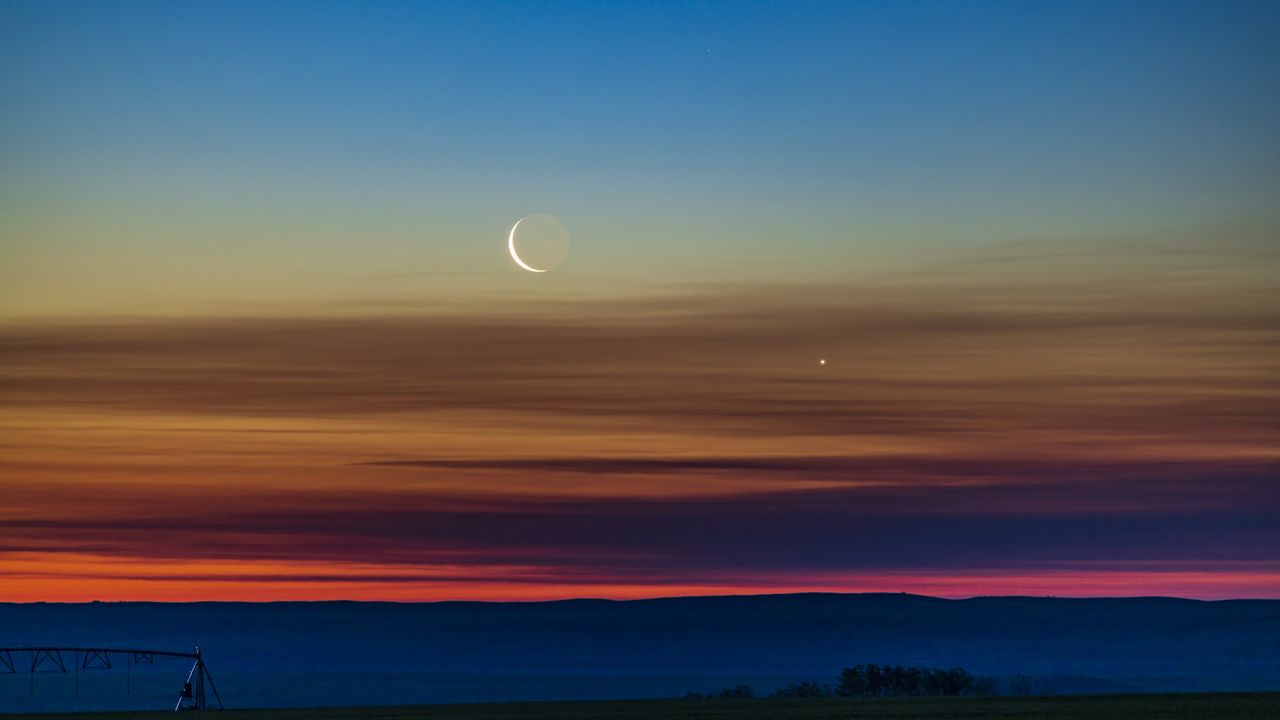
- Venus and the moon will share the sky on May 18
- The pair will be visible after sunset in the western sky
- No telescope is needed to see the rare alignment
The night sky is about to give skywatchers a treat. On May 18, Venus and a thin crescent moon will appear unusually close together in the western sky just after the sun sets. The two brightest objects in the night sky will form a striking pair, visible to the naked eye from most locations on Earth. The event is known as a conjunction, where two celestial objects appear near each other from our point of view, even though they’re millions of miles apart in reality. Venus will stand out as the bright, steady light below the moon, making it easy to spot even in areas with some light pollution. The alignment will happen during twilight, so you’ll have a brief window to catch it before the sky gets too dark. In urban areas, you might need to find a spot with an unobstructed view of the western horizon to see them clearly. The moon will be just 6% illuminated, appearing as a slender arc, which will make the pairing even more dramatic. If you miss it on the 18th, check again on the 19th—the two will still be close, but the moon will have moved on. Conjunctions like this aren’t rare, but a Venus-moon pairing this close and visible in the evening sky doesn’t happen every month. Venus orbits closer to the sun than Earth, so it never strays far from the sun in our sky. That’s why it’s often seen just after sunset or before sunrise. The moon, meanwhile, moves quickly through the sky, passing Venus roughly once a month. But most of these meetings happen when either the moon or Venus is too close to the sun to see. This month’s timing is perfect for evening observers. ## How to watch the Venus-moon conjunction The best time to see the pair is about 30 to 45 minutes after sunset. Check your local sunset time—it’ll be around 8 p.m. in most mid-latitude locations in May. Look toward the west. The moon will be low in the sky, so make sure trees or buildings aren’t blocking your view. Venus will shine brightly just below the moon, outshining every star in the sky. If you have binoculars, you can use them to get a closer look. The moon’s craters and Venus’s steady glow will pop out against the fading twilight. A small telescope isn’t necessary, but it’ll let you see Venus as a tiny crescent shape, similar to the moon. This happens because Venus orbits between Earth and the sun, so we sometimes see it partially lit, like a mini moon. The contrast between the bright moon and the planet will make for great photos, too. Use a camera with a tripod and a 10-second exposure at ISO 800 or higher to capture the scene without blurring. Smartphone cameras will also work if you steady your hand or prop the phone against something. The event will last about an hour before the moon and Venus sink too low to see. ## Why this pairing stands out Not all Venus-moon conjunctions are equal. This one is special because the moon will be so thin, and Venus will be bright and high enough in the sky to see easily. The last time these two appeared this close in the evening was in late 2022, but the moon was much fatter then. A thin moon adds to the visual drama because the dark part of the moon can sometimes show a faint glow, called earthshine, where sunlight reflects off Earth and lights up the moon’s surface. That ghostly glow often makes the crescent moon look like a complete circle. Venus, meanwhile, is at its brightest this month. It reached maximum elongation from the sun on May 4, meaning it’s as far from the sun in our sky as it gets this year. That makes it easier to spot after sunset. The planet won’t be this high in the evening sky again until next winter. ## The science behind the show Venus and the moon don’t actually come close to each other in space. The moon is about 238,000 miles away, while Venus is 38 million miles from Earth right now. The conjunction is just an optical trick of perspective. From our point of view, they line up in the same patch of sky. The event is a reminder of how dynamic our solar system is. The moon orbits Earth every 27 days, while Venus circles the sun every 225 Earth days. Their paths cross often, but only a few times a year do they align this well for evening viewers. Astronomers call these close approaches “appulses,” and they’re predictable years in advance. NASA and other space agencies track these events to help the public connect with the night sky. They’re also useful for amateur astronomers practicing their tracking skills. ## What’s next for skywatchers If you miss the Venus-moon show on May 18, don’t worry. The two will still be close on May 19, though the moon will have moved on. Later in May, Jupiter will start to rise higher in the evening sky, offering another bright target for stargazers. By early June, Venus will begin sinking toward the sun, making it harder to see in the evening. But the planet will reappear in the morning sky by July, shining as the “morning star” before sunrise. The next big conjunction is coming in July, when Mars and Venus will pair up in the evening sky. Until then, May 18 is your best chance to see Venus and the moon shine together above your backyard. Grab a jacket, step outside, and look west. You won’t need any special equipment—just clear skies and a little patience.
What You Need to Know
- Source: Space.com
- Published: May 17, 2026 at 14:00 UTC
- Category: Science
- Topics: #space · #astronomy · #nasa · #venus · #june · #venus-moon-conjunction-may-18
Read the Full Story
This is a curated summary. For the complete article, original data, quotes and full analysis:
All reporting rights belong to the respective author(s) at Space.com. GlobalBR News summarizes publicly available content to help readers discover the most relevant global news.
Curated by GlobalBR News · May 17, 2026
Related Articles
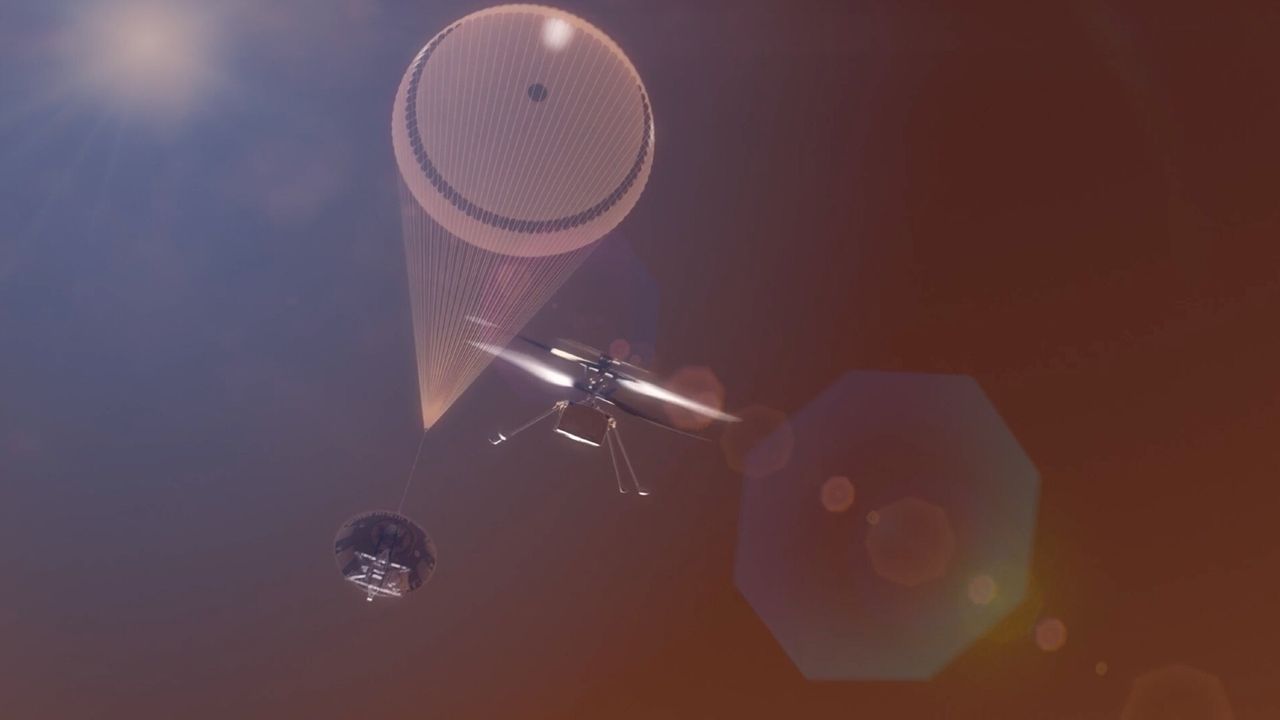
- NASA tests Mars helicopter blades that break the sound barrier
- Live stream asteroid the size of a blue whale passing Earth May 18
🇧🇷 Resumo em Português
Um espetáculo celeste raro e deslumbrante tomará os céus brasileiros na noite de 18 de maio: Vênus e a Lua se alinharão em um encontro visualmente hipnotizante, oferecendo um show gratuito e acessível a olho nu para milhões de pessoas em todo o país. O fenômeno, conhecido como conjunção planetária, promete encantar tanto astrônomos amadores quanto curiosos que raramente dirigem o olhar para além do horizonte urbano.
Esse tipo de alinhamento não só é um presente para os apaixonados por astronomia, como também representa uma oportunidade única de aproximar a ciência do cotidiano. No Brasil, onde a poluição luminosa nas grandes cidades muitas vezes ofusca a beleza do céu noturno, eventos como esse incentivam as pessoas a redescobrirem a magia do cosmos, além de servirem como combustível para o aprendizado sobre os movimentos dos astros. Para os educadores, é uma chance de explicar conceitos de órbitas planetárias e fases lunares de forma prática, enquanto para os entusiastas, um lembrete de que o universo está sempre em movimento, mesmo quando não o percebemos.
Com o pôr do sol como pano de fundo, a dupla celeste deve ficar visível por cerca de duas horas após o crepúsculo, dependendo da região — um convite para que famílias, casais e amigos se reúnam em parques ou até mesmo em quintais para admirar o espetáculo.
🇪🇸 Resumen en Español
El cielo nos regala este domingo un espectáculo astronómico poco común: Venus y la Luna se alzarán juntos en un encuentro visual que promete deslumbrar a los observadores.
Este fenómeno, conocido como conjunción, ocurre cuando ambos cuerpos celestes comparten la misma ascensión recta en el cielo nocturno. Aunque no es extremadamente raro, su visibilidad en condiciones óptimas —con Venus brillando con intensidad y la Luna en fase creciente— lo convierte en un evento destacado para los aficionados a la astronomía y el público general. Para quienes deseen disfrutarlo, los expertos recomiendan mirar hacia el horizonte oeste tras la puesta de sol, sin necesidad de telescopios. Más allá de su belleza, este tipo de eventos fomenta el interés por la ciencia y la observación del universo, un recordatorio de que, incluso en la era digital, la naturaleza sigue ofreciendo espectáculos únicos.
Space.com
Read full article at Space.com →This post is a curated summary. All rights belong to the original author(s) and Space.com.
Was this article helpful?


Discussion