WA’s weaker climate policies directly threaten Australia’s ability to hit its 2030 emissions targets.
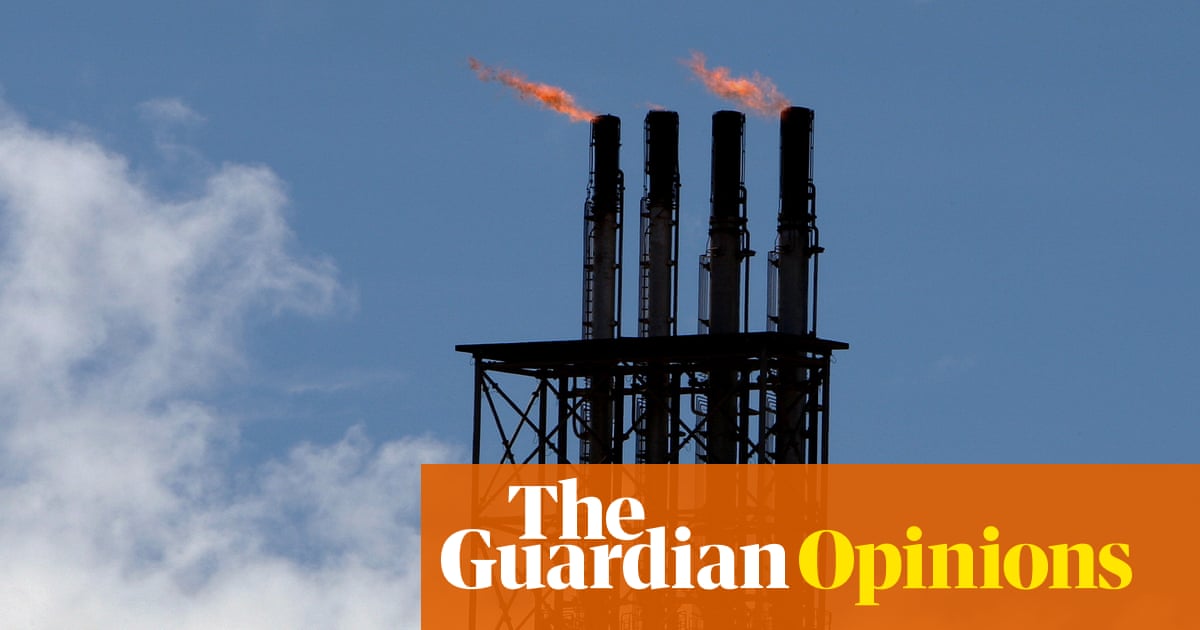
- WA's policies now conflict with Australia's 2030 emissions targets
- Federal Labor gives WA's stance implicit support despite tensions
- Experts warn WA’s relaxed rules could derail national climate efforts
Western Australia’s relaxed climate policies are on a collision course with Australia’s 2030 emissions targets, and the federal government isn’t stopping it. New analysis shows the state’s weaker stance—backed by Premier Roger Cook—risks blowing a hole in the Albanese government’s climate plans. While Labor’s federal team has so far given Cook’s government a free pass, the gap between WA’s rules and national goals is widening fast. Anthony Albanese and his ministers haven’t publicly pushed back, leaving experts to question how serious the government is about hitting its own targets. The standoff isn’t just political—it’s practical. Australia’s 2030 goal of cutting emissions 43% below 2005 levels depends on every state doing its part. WA, with its booming gas and mining sectors, is a major player, and its relaxed approach is already slowing progress. The state’s latest emissions projections, released quietly last month, show emissions rising through 2030 under current policies. That’s the opposite of what the country needs. The federal government’s plan relies on states like Victoria and New South Wales tightening their rules to offset weaker efforts elsewhere. But WA isn’t playing ball. Instead, the Cook government is pushing to fast-track new gas projects and delay stricter pollution controls. Last year, WA approved 14 new fossil fuel projects—more than any other state. Those projects alone could add millions of tons of carbon pollution by 2030. The tension isn’t new. WA has long resisted federal climate policies, arguing its economy depends too much on resources. But the Albanese government’s silence is striking. Even as the Climate Change Authority warned in June that Australia is off track to meet its 2030 goal, no federal minister has publicly called out WA. ## WA’s climate stance clashes with federal goals Experts say WA’s policies are a direct threat to Australia’s climate targets. The state’s emissions are projected to climb 12% by 2030 under current rules, according to the latest government data. That’s a problem because the federal government’s plan assumes emissions will fall across the country. WA’s refusal to adopt tougher standards means other states have to work harder to compensate. The Cook government argues its approach is “pragmatic,” pointing to the state’s economic reliance on mining and gas. But critics say WA is using that as an excuse to avoid action. “WA’s relaxed policies are a clear roadblock,” said Dr. Bill Hare, CEO of Climate Analytics. “The federal government can’t meet its targets if WA keeps approving new fossil fuel projects.” The standoff is playing out in quiet negotiations behind closed doors. The Albanese government hasn’t threatened to withhold funding or impose federal rules, even as WA’s emissions keep rising. That’s raised eyebrows among climate advocates, who expected Labor to take a harder line. ## What happens next? The clock is ticking. Australia’s 2030 target is just six years away, and every ton of carbon counts. If WA keeps approving new gas projects at its current pace, the country’s emissions could overshoot its goal by 200 million tons—roughly the annual pollution of a mid-sized European country. The federal government has options. It could tie infrastructure funding to stricter climate conditions, or use its Safeguard Mechanism to force WA’s biggest polluters to cut emissions. But so far, it’s chosen not to. The Cook government insists its approach is “balanced,” balancing economic growth with gradual emissions cuts. Yet the numbers suggest otherwise. WA’s emissions intensity—pollution per dollar of economic output—is rising, not falling. That’s the opposite of what a climate strategy should look like. For now, the standoff continues. The Albanese government’s silence speaks volumes. Either it’s unwilling to challenge WA, or it’s betting that other states can offset the damage. Neither option is reassuring for Australia’s climate goals. The next federal climate review is due in 2025. By then, WA’s relaxed rules could have already locked in years of extra pollution.
What You Need to Know
- Source: The Guardian
- Published: May 13, 2026 at 15:00 UTC
- Category: Environment
- Topics: #guardian · #climate · #environment · #politics · #government · #australia
Read the Full Story
This is a curated summary. For the complete article, original data, quotes and full analysis:
All reporting rights belong to the respective author(s) at The Guardian. GlobalBR News summarizes publicly available content to help readers discover the most relevant global news.
Curated by GlobalBR News · May 13, 2026
Related Articles
🇧🇷 Resumo em Português
A Austrália agora corre o risco de não cumprir suas metas de redução de emissões até 2030 após o estado de Western Australia flexibilizar suas regras ambientais, segundo um novo relatório. Enquanto o governo federal, liderado pelo Partido Trabalhista, insiste em manter o estado no jogo, especialistas alertam que a decisão pode minar os esforços nacionais contra a crise climática.
O contexto é especialmente relevante para o Brasil, já que ambos os países são grandes produtores de commodities e enfrentam pressões globais por políticas mais sustentáveis. A Austrália, que já sofre com secas extremas e incêndios florestais intensificados pelo aquecimento global, vê agora sua reputação ambiental ameaçada por medidas que favorecem a indústria em detrimento da redução de emissões. Para o Brasil, que também depende de acordos internacionais para exportar produtos como soja e carne, o caso australiano serve de alerta sobre os riscos de retrocessos ambientais em meio a crises econômicas.
A próxima etapa deve ser observada de perto: se o governo federal australiano ceder à pressão do estado de Western Australia, outros territórios podem seguir o mesmo caminho, colocando em xeque não só as metas climáticas do país, mas também sua posição no cenário global de combate ao aquecimento global.
The Guardian
Read full article at The Guardian →This post is a curated summary. All rights belong to the original author(s) and The Guardian.
Was this article helpful?


Discussion