House lawmakers question DoD’s ability to pass a clean audit by 2028 deadline.
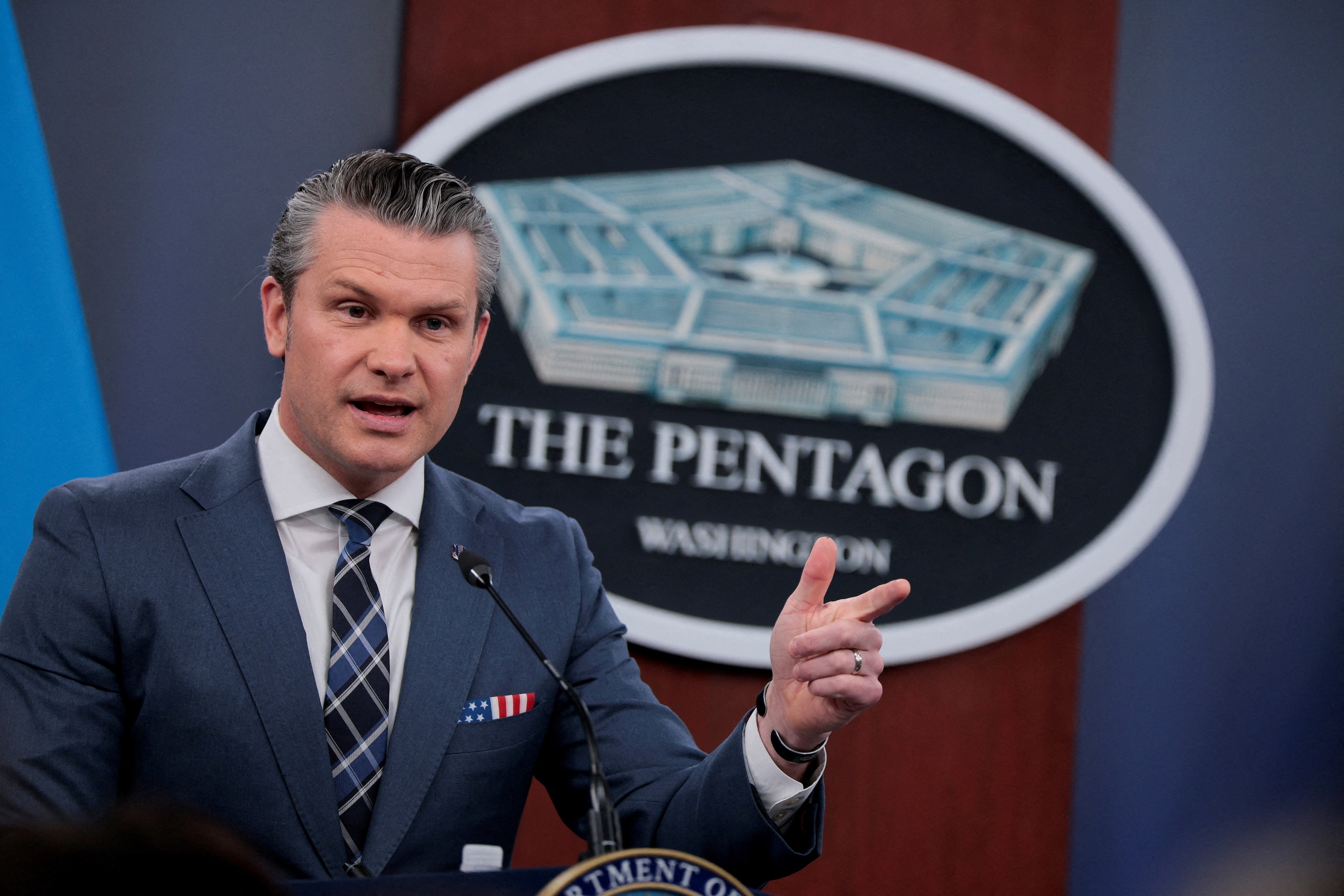
- Congress passed a 2024 NDAA measure requiring DoD clean audit by 2028
- House Oversight Committee holds hearing on DoD’s financial accountability
- Watchdogs doubt DoD can meet statutory deadline despite past struggles
The U.S. Department of Defense (DoD) is under increasing pressure to achieve a clean financial audit by the end of 2028, a deadline set by Congress in the 2024 National Defense Authorization Act (NDAA). On Wednesday, the House Committee on Oversight and Government Reform questioned whether the DoD can meet the statutory requirement given its long history of financial reporting failures. The deadline comes as the DoD prepares to account for roughly half of the federal government’s discretionary spending, making its financial transparency a critical issue for national fiscal oversight.
Skepticism grows over DoD’s audit readiness
Lawmakers and government watchdogs expressed doubt at the hearing that the DoD can produce a clean audit by the 2028 deadline. A clean audit requires clear documentation of the military’s assets, expenditures, and budget allocations so that the Government Accountability Office (GAO) can accurately assess the federal government’s financial health. The DoD has failed to achieve a clean audit despite multiple attempts over the past decade, raising concerns about its ability to comply with the new mandate. Lawmakers questioned whether the DoD’s financial systems are capable of meeting the rigorous standards required for a clean audit.
DoD acknowledges challenges but insists progress is being made
A senior DoD official testified that while the department faces significant challenges, it is making progress toward audit readiness. The official pointed to recent reforms, including improved financial tracking systems and increased collaboration with the GAO. However, the official also acknowledged that the DoD’s vast and complex financial operations—spanning military branches, contractors, and international operations—pose substantial obstacles to achieving a clean audit. The DoD’s financial management has long been criticized for its opacity, with billions in transactions remaining undocumented or improperly recorded.
Congress tightens oversight amid growing concerns
The hearing follows a provision in the 2024 NDAA that explicitly requires the DoD to pass a clean audit by December 31, 2028. Lawmakers emphasized that the deadline is non-negotiable and that failure to comply could result in further congressional scrutiny or even legislative action. The House Oversight Committee has signaled that it will monitor the DoD’s progress closely, with some members suggesting that additional reforms may be necessary to ensure compliance.
The DoD’s financial accountability has broader implications for federal spending and national security. A clean audit would provide greater transparency into how taxpayer dollars are spent, particularly in areas such as weapons procurement, military payroll, and overseas operations. It would also strengthen the DoD’s credibility with Congress and the public, which has grown increasingly skeptical of the department’s financial management practices. Failure to meet the deadline could erode trust in the DoD’s ability to manage its resources responsibly and could trigger additional oversight measures.
What happens next?
The DoD is expected to release updated financial reports in the coming months as part of its ongoing efforts to prepare for the 2028 audit. The GAO will continue to assess the DoD’s progress and identify areas where improvements are needed. Meanwhile, Congress will likely hold additional hearings to monitor the department’s compliance with the statutory deadline. If the DoD fails to meet the requirement, lawmakers have indicated they may pursue legislative or budgetary actions to enforce accountability.
What You Need to Know
- Source: Defense News
- Published: May 15, 2026 at 14:25 UTC
- Category: War
- Topics: #defense · #military · #pentagon · #war · #house · #wednesday
Read the Full Story
This is a curated summary. For the complete article, original data, quotes and full analysis:
All reporting rights belong to the respective author(s) at Defense News. GlobalBR News summarizes publicly available content to help readers discover the most relevant global news.
Curated by GlobalBR News · May 15, 2026
Related Articles
🇧🇷 Resumo em Português
O Departamento de Defesa dos Estados Unidos enfrenta um prazo inadiável: até 2028, precisa apresentar um balanço financeiro impecável, livre de ressalvas — uma missão que, segundo parlamentares americanos, pode se revelar impossível. A pressão sobre a maior força militar do planeta nunca foi tão grande, com o Congresso dos EUA dividindo-se entre ceticismo e cobrança para que a instituição, dona do maior orçamento do mundo, finalmente cumpra um requisito básico de transparência.
Para o Brasil, um dos principais parceiros estratégicos da OTAN no Hemisfério Sul, a situação é um lembrete incômodo. O Pentágono, que há décadas arrasta auditorias inconclusas, gastando bilhões em sistemas de controle que nunca funcionaram de fato, serve como caso emblemático dos riscos de uma gestão pública opaca — especialmente quando se trata de recursos bilionários e segurança nacional. Aqui, o debate sobre transparência fiscal no setor de defesa ganhou força após casos como o do superfaturamento em contratos da Embraer e denúncias de desvios na pasta militar brasileira, mostrando que, em tempos de crise de credibilidade, até os maiores orçamentos do mundo podem ruir sob o peso da desconfiança.
Se os EUA não conseguirem fechar suas contas até 2028, o impacto será global: credibilidade abalada, parceiros questionando alinhamentos e, possivelmente, um novo capítulo de reformas dolorosas — ou o adiamento de um sonho que, ao que tudo indica, já nasceu morto.
🇪🇸 Resumen en Español
El Departamento de Defensa de EE.UU. se enfrenta a un desafío sin precedentes: lograr un informe financiero impecable antes de 2028, un plazo que los legisladores ven con creciente escepticismo.
La auditoría limpia, exigida por ley desde 1990 pero nunca alcanzada, es clave para garantizar la transparencia en el gasto de miles de millones en defensa, un tema que resuena especialmente en la región iberoamericana, donde la rendición de cuentas en seguridad sigue siendo un debate recurrente. La imposibilidad de certificar el uso de fondos —como los destinados a Ucrania o a programas de modernización— podría erosionar la confianza internacional en la gestión estadounidense, mientras el Congreso exige respuestas concretas ante el creciente costo de la guerra en Ucrania y las tensiones con China.
Defense News
Read full article at Defense News →This post is a curated summary. All rights belong to the original author(s) and Defense News.
Was this article helpful?


Discussion