WHO cuts hantavirus outbreak on MV Hondius cruise ship to 10 cases after US false positive correction.
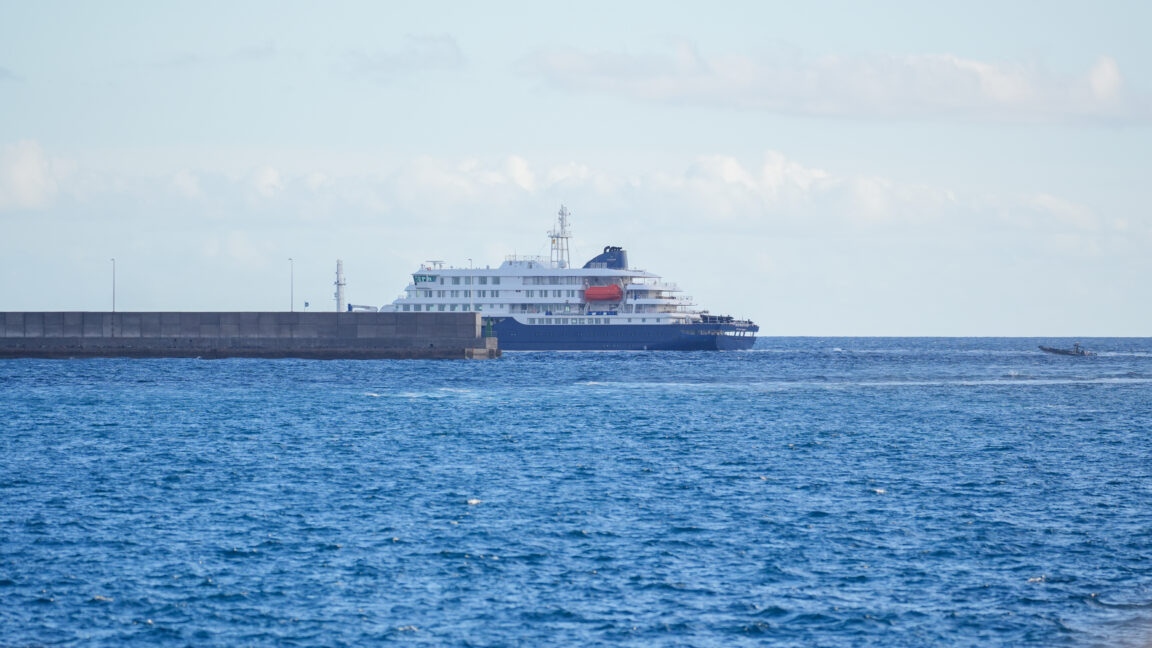
- WHO reduces hantavirus outbreak cases from 11 to 10 after false positive correction
- US case involving Dr. Stephen Kornfeld was originally reported as 'mildly positive'
- Outbreak occurred on the MV Hondius cruise ship in the South Atlantic
The World Health Organization (WHO) World Health Organization confirmed Friday that the hantavirus outbreak on the MV Hondius cruise ship in the South Atlantic now stands at 10 cases, not 11. The correction came after a US case originally reported as a ‘mildly positive’ hantavirus infection was re-evaluated and deemed a false positive. The WHO had included the case in its May 13 outbreak report and a follow-up briefing on May 14, labeling it ‘inconclusive’ but still counting it as a case. The infected person was Dr. Stephen Kornfeld, an American physician aboard the ship who had helped respond to the outbreak after the ship’s doctor fell ill. In an interview with CNN this week, Kornfeld explained that he and others on board had taken nasal swabs early in the voyage as part of the outbreak response. The false positive result highlights the challenges of diagnosing hantavirus infections, which often rely on antibody tests that can sometimes produce unclear results. Officials emphasized that the correction does not indicate the outbreak is worsening but rather reflects the rigorous process of re-evaluating test results. The WHO stressed that the remaining cases are being closely monitored to prevent further spread. The MV Hondius, a small expedition cruise ship, had been sailing in the South Atlantic when the outbreak was first detected. Hantavirus infections are rare and typically spread through contact with rodents or their droppings, though person-to-person transmission is extremely uncommon. The virus can cause a severe respiratory illness called hantavirus pulmonary syndrome, which has a high fatality rate if untreated. While the WHO’s correction reduces the case count, health officials are continuing to track the remaining cases to ensure no further misdiagnoses occur. Experts say the situation serves as a reminder of the importance of accurate testing in outbreak management, especially in isolated settings like cruise ships where medical resources may be limited. The WHO has not yet confirmed whether additional cases might be reclassified in the future as testing continues. For now, the focus remains on containing the outbreak and preventing further infections among passengers and crew.
What You Need to Know
- Source: Ars Technica
- Published: May 15, 2026 at 21:31 UTC
- Category: Technology
- Topics: #arstechnica · #tech · #science · #space · #nasa · #friday
Read the Full Story
This is a curated summary. For the complete article, original data, quotes and full analysis:
All reporting rights belong to the respective author(s) at Ars Technica. GlobalBR News summarizes publicly available content to help readers discover the most relevant global news.
Curated by GlobalBR News · May 15, 2026
🇧🇷 Resumo em Português
O Brasil, que recentemente se tornou um dos principais destinos de cruzeiros no Atlântico Sul, respira aliviado após a confirmação da Organização Mundial da Saúde (OMS) de que o caso suspeito de hantavírus a bordo do navio MV Hondius, nos EUA, foi um falso positivo — reduzindo o surto para apenas dez casos confirmados na região.
A notícia chega em momento crucial para o setor de turismo brasileiro, ainda se recuperando dos impactos da pandemia e agora atento a eventuais surtos que possam afetar a confiança dos passageiros. O hantavírus, transmitido por roedores, já havia levantado preocupações entre viajantes e autoridades sanitárias, especialmente em embarcações que atracam em portos brasileiros como Rio de Janeiro e Santos, pontos estratégicos para navios que cruzam o Atlântico. Com a correção da OMS, o risco imediato é minimizado, mas o episódio serve como alerta para a necessidade de vigilância constante em ambientes fechados e de alta circulação, como navios e hotéis.
Agora, as autoridades brasileiras e internacionais devem reforçar os protocolos de monitoramento para evitar novos alarmes desnecessários.
🇪🇸 Resumen en Español
La Organización Mundial de la Salud (OMS) desmiente un caso de hantavirus a bordo del crucero MV Hondius tras confirmarse un falso positivo, reduciendo a diez los casos confirmados en el brote del Atlántico Sur.
El incidente, que inicialmente generó alarma por su posible conexión con roedores en zonas remotas, ha sido aclarado gracias a pruebas más exhaustivas. Aunque el episodio se saldó sin víctimas mortales, sirve como recordatorio de la importancia de protocolos sanitarios rigurosos en entornos cerrados como los cruceros, donde los brotes pueden propagarse con rapidez. Para los lectores hispanohablantes, esta noticia subraya la necesidad de no caer en alarmismos infundados y de confiar en fuentes oficiales, especialmente en casos donde la salud pública está en juego.
Ars Technica
Read full article at Ars Technica →This post is a curated summary. All rights belong to the original author(s) and Ars Technica.
Was this article helpful?


Discussion