US Army cancels Poland deployment for 4,000 soldiers with no explanation from Pentagon.
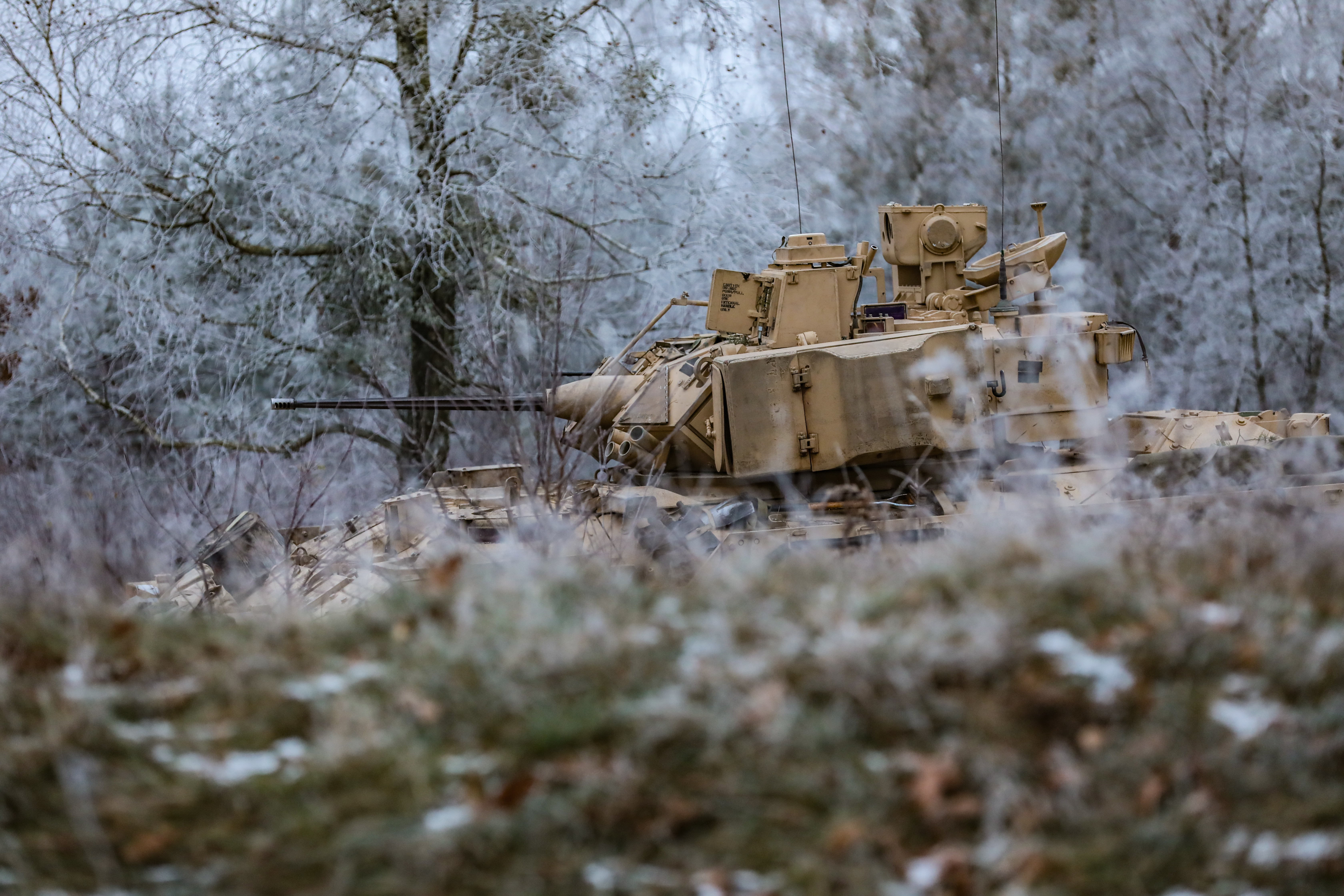
- Army cancels Poland deployment of 4,000 soldiers Wednesday
- Soldiers and families notified Tuesday morning
- Defense Department gave no reason for abrupt change
📰 Continuing coverage: 4,000 US soldiers’ Poland deployment canceled by Pentagon
The U.S. Army has abruptly canceled the deployment of the 2nd Armored Brigade Combat Team, 1st Cavalry Division, a force of more than 4,000 soldiers and their equipment, to Poland. An Army official confirmed the decision Wednesday but provided no details. All inquiries were referred to the Defense Department, which did not respond to requests for comment.
Word of the cancellation spread quickly among affected soldiers Tuesday morning. Many texted friends and family about the change, signaling an unexpected shift in plans. The news emerged as lawmakers questioned Army leadership Army Secretary Dan Driscoll and Gen. Christopher LaNeve, the Army vice chief of staff, during a congressional hearing on the Army’s budget posture. Neither mentioned the cancellation.
No explanation from Pentagon
Sen. Jack Reed of Rhode Island, the ranking Democrat on the Senate Armed Services Committee, confirmed the cancellation during remarks but offered no further insight. The Pentagon has not explained why the deployment, which was part of ongoing U.S. military presence in Europe, was halted. The brigade’s equipment and personnel were expected to begin moving to Poland in the coming months.
The cancellation comes amid heightened tensions between the U.S. and Russia following Moscow’s continued war in Ukraine. Poland has been a key staging ground for U.S. and NATO support to Kyiv, hosting thousands of American troops and receiving billions in military aid. The abrupt change raises questions about whether the move reflects shifting priorities, logistical challenges, or a reassessment of security needs in Eastern Europe.
Impact on soldiers and families
Soldiers and their families were notified Tuesday, leaving little time to process the sudden reversal. Some families had already made housing arrangements or planned moves. The brigade, part of the 1st Cavalry Division, is based at Fort Cavazos in Texas and is one of the Army’s most combat-ready units. Its equipment includes M1 Abrams tanks, Bradley Fighting Vehicles, and Paladin self-propelled howitzers.
The Pentagon has not indicated whether the soldiers will be reassigned to other missions or if the equipment will remain in storage. The cancellation also raises concerns about NATO’s enhanced Forward Presence strategy, which relies on rotational U.S. forces to deter Russian aggression in Eastern Europe.
Military analysts suggest the cancellation could signal a broader shift in U.S. defense strategy, particularly as the Pentagon focuses on the Indo-Pacific region and other global hotspots. Others wonder if the move is tied to budget constraints or internal Army decisions unrelated to geopolitical factors.
A Defense Department spokesperson declined to comment on the record, and the Army has not scheduled a briefing to address the cancellation. The decision leaves many questions unanswered, including whether the deployment could be reinstated at a later date.
What You Need to Know
- Source: Defense News
- Published: May 13, 2026 at 18:26 UTC
- Category: War
- Topics: #defense · #military · #pentagon · #politics · #usa · #congress
Read the Full Story
This is a curated summary. For the complete article, original data, quotes and full analysis:
All reporting rights belong to the respective author(s) at Defense News. GlobalBR News summarizes publicly available content to help readers discover the most relevant global news.
Curated by GlobalBR News · May 13, 2026
Related Articles
- Wembanyama’s Spurs reach Western finals, Pistons stay alive in NBA playoffs
- 🎉 100 Articles in War!
- Man killed in great white shark attack in western Australia
🇧🇷 Resumo em Português
O Exército dos Estados Unidos cancelou de última hora o envio de 4 mil soldados e equipamentos para a Polônia, um movimento que pega de surpresa até aliados próximos e expõe fragilidades na estratégia de segurança da Otan na Europa Oriental. A decisão, anunciada sem explicações oficiais pelo Departamento de Defesa, deixa no ar perguntas sobre possíveis ajustes no posicionamento militar americano em meio a tensões crescentes com a Rússia e à guerra na Ucrânia.
O Brasil, embora não esteja diretamente envolvido nessa movimentação, precisa observar com atenção as implicações dessa mudança, especialmente porque o país mantém laços estratégicos com a Otan e é signatário de acordos de cooperação militar com nações europeias. A decisão americana pode sinalizar um redirecionamento de prioridades estratégicas dos EUA, o que afeta não só a Polônia, mas também outros países do Leste Europeu que dependem da presença militar ocidental para conter eventuais ações russas. Além disso, o silêncio do Pentágono levanta suspeitas sobre possíveis pressões políticas internas ou mudanças na doutrina de defesa dos EUA, algo que repercute globalmente.
A incerteza agora paira sobre os próximos passos: será um adiamento temporário, um corte definitivo ou uma realocação dos soldados para outra região? A Polônia, que contava com esse reforço para reforçar sua fronteira com a Bielorrússia e a Rússia, deve buscar respostas rápidas junto aos aliados.
🇪🇸 Resumen en Español
El Ejército de EE.UU. ha cancelado de forma repentina el despliegue de 4.000 soldados y su equipo a Polonia, una decisión que sorprende por su falta de explicación oficial y que amenaza con debilitar la presencia militar estadounidense en Europa del Este.
El anuncio, sin precedentes y sin justificación pública por parte del Departamento de Defensa, ha generado especulaciones sobre posibles cambios estratégicos en la región. Expertos sugieren que podría responder a tensiones internas en Washington o a una reevaluación de prioridades en el flanco oriental de la OTAN, justo cuando la guerra en Ucrania mantiene en vilo a Europa. Para los hispanohablantes, especialmente en España y Latinoamérica, esta decisión recuerda los vaivenes de la política de seguridad estadounidense y su impacto en la estabilidad global, un tema que resuena en un contexto de creciente polarización geopolítica.
Defense News
Read full article at Defense News →This post is a curated summary. All rights belong to the original author(s) and Defense News.
Was this article helpful?



Discussion