Immigration crackdown raised anxiety and depression 30% in one LA clinic's immigrant patients.
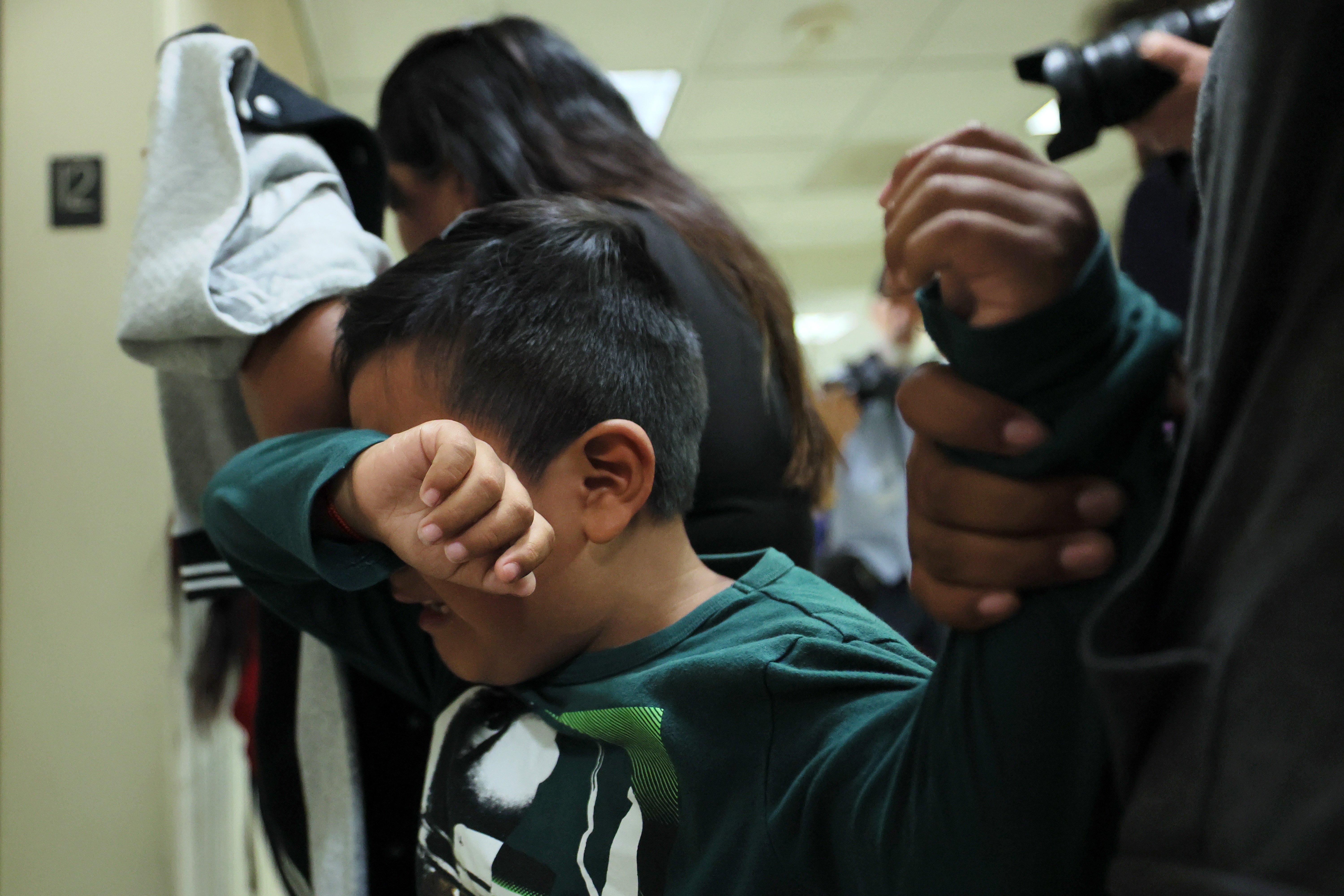
- Clinic tracked 30% rise in anxiety and depression since ICE raids increased
- Immigration enforcement acts as a 'public health stressor' say therapists
- Most patients are Latino families on Medicaid in Los Angeles
Zocalo Health, a primary care clinic in Los Angeles, has been tracking a disturbing trend. Since the Trump administration ramped up immigration enforcement in 2024, the clinic’s mental health screenings show a sharp uptick in anxiety, depression, and suicidal thoughts among its patients. The data, shared exclusively with NPR, reveals a 30% increase in positive screens for these conditions during periods when ICE raids and detentions spiked. ‘We didn’t expect to see such a clear pattern,’ says Sophia Pages, a licensed marriage and family therapist and the clinic’s executive director of behavioral health. ‘But when we looked closer, we realized immigration enforcement wasn’t just a background issue. It was directly causing real distress in people’s lives every day they lived in fear of being next.’ The clinic screens all patients for mental health issues, regardless of their reason for visiting. That routine practice gave Zocalo Health a unique window into how federal policies trickle down to neighborhood clinics and the families they serve. Most of their patients are Latino households on Medicaid, many of them mixed-status families with some members undocumented and others citizens or green card holders. The fear of separation isn’t just theoretical—it’s a daily reality that shapes everything from grocery store trips to school drop-offs. ‘Parents stop taking their kids to the park because they’re worried about being stopped on the way home,’ Pages says. ‘Kids come in with stomachaches and headaches because they’re too anxious to focus in school. It’s not just psychological—it’s physical too.’ The clinic’s findings echo broader concerns from immigrant rights groups and public health researchers. In August 2025, a child was photographed crying after his father was detained by ICE agents outside a New York courtroom. Images like that, repeated across the country, have become symbols of the administration’s aggressive approach. But behind each image is a family dealing with the fallout: missed work, unpaid bills, and children struggling in school. Pages recalls one patient, a 34-year-old mother who came in after her husband was detained during a routine check-in at an immigration office. ‘She was having panic attacks every time the doorbell rang,’ Pages says. ‘She stopped sleeping. Her blood pressure went up. And her 8-year-old started wetting the bed at night.’ The mother told Pages she’d considered suicide. ‘She said, “I can’t keep living like this. I don’t know how to protect my kids anymore.”’ These aren’t isolated cases. The American Psychological Association has warned that immigration enforcement can trigger ‘toxic stress’ in children, increasing their risk for long-term health problems. Studies show that even the threat of detention can cause measurable spikes in cortisol levels, the hormone tied to chronic stress. Zocalo Health’s data shows the worst spikes in mental health distress occurred during two periods: the first six months of 2025, when the administration expanded ‘targeted enforcement’ directives, and again in summer 2025 when ICE launched a series of high-profile workplace raids. Pages says the clinic has had to adjust its approach, training staff to recognize signs of severe distress and connecting patients with legal aid and community resources faster than before. ‘We’re seeing families who used to be stable now struggling to put food on the table because one parent can’t work anymore,’ she says. ‘The mental health impact isn’t just an individual problem—it’s a community-wide crisis.’ The clinic’s data also shows that patients who were detained or had family members detained were 2.5 times more likely to screen positive for severe depression. For those with pre-existing mental health conditions, the risk nearly doubled. ‘This isn’t just about policy debates,’ Pages says. ‘Real people are ending up in emergency rooms because they can’t get the care they need. Real kids are failing classes because they can’t concentrate. Real families are being torn apart, and the health system is scrambling to pick up the pieces.’
What You Need to Know
- Source: NPR
- Published: May 17, 2026 at 11:00 UTC
- Category: World
- Topics: #npr · #usa · #world-news · #health · #mental-health · #trump
Read the Full Story
This is a curated summary. For the complete article, original data, quotes and full analysis:
All reporting rights belong to the respective author(s) at NPR. GlobalBR News summarizes publicly available content to help readers discover the most relevant global news.
Curated by GlobalBR News · May 17, 2026
Related Articles
- 🎉 250 Articles in World!
- WHO declares Ebola emergency as Congo outbreak spreads to Uganda
- WHO declares Ebola emergency as Congo and Uganda outbreaks surge
🇧🇷 Resumo em Português
O medo bate à porta: clínicas nos EUA registram explosão de ansiedade entre imigrantes após operações da ICE
O aumento de 30% nos casos de ansiedade e depressão entre pacientes imigrantes nos Estados Unidos, detectado pela clínica Zocalo Health durante operações da ICE (polícia migratória), expõe como a política de Trump transformou a saúde mental dessa população em um campo de batalha silencioso. Em Los Angeles, onde a repressão migratória se intensificou, não são apenas as deportações que assombram as famílias, mas o terror cotidiano de uma batida policial que pode separar pais de filhos ou extinguir sonhos de uma vida digna.
Para o Brasil, que recebe milhares de imigrantes em situação de vulnerabilidade — muitos deles refugiados ou vítimas de perseguição nos países de origem —, o fenômeno nos EUA serve como um alerta sobre os riscos de politizar a imigração. Aqui, grupos de direitos humanos já denunciam o crescimento de discursos xenófobos e a militarização das fronteiras, o que pode gerar um ciclo semelhante de sofrimento psicológico entre os recém-chegados. A diáspora brasileira no exterior também sente o impacto, com relatos de brasileiros nos EUA relatando medo de sair de casa ou de procurar ajuda médica.
Enquanto governos e organizações da sociedade civil discutem como proteger essas populações, a pergunta que fica é: até quando a saúde mental dos imigrantes será vítima colateral de políticas migratórias cada vez mais duras?
🇪🇸 Resumen en Español
Una ola de miedo se ha extendido entre las comunidades inmigrantes de Los Ángeles tras los operativos de ICE, que han disparado un alarmante 30% en casos de ansiedad y depresión en pacientes de clínicas como Zócalo Health. Los datos revelan cómo las políticas migratorias de la era Trump siguen dejando una huella profunda en la salud mental de quienes viven bajo la sombra de la deportación.
El estudio subraya la urgencia de abordar este problema, especialmente en ciudades como Los Ángeles, donde la diversidad y la presencia de comunidades vulnerables son clave. Para los hispanohablantes, esta realidad no es ajena: muchos migrantes, incluso con estatus legal o en proceso de regularización, viven con el temor constante a ser separados de sus familias o perder sus empleos. La atención psicológica y el apoyo comunitario se vuelven esenciales en un contexto donde el estrés por la incertidumbre migratoria se ha normalizado como una amenaza silenciosa.
NPR
Read full article at NPR →This post is a curated summary. All rights belong to the original author(s) and NPR.
Was this article helpful?



Discussion