Drones killed 3 people in Moscow overnight, hit a refinery, and shut four airports briefly.
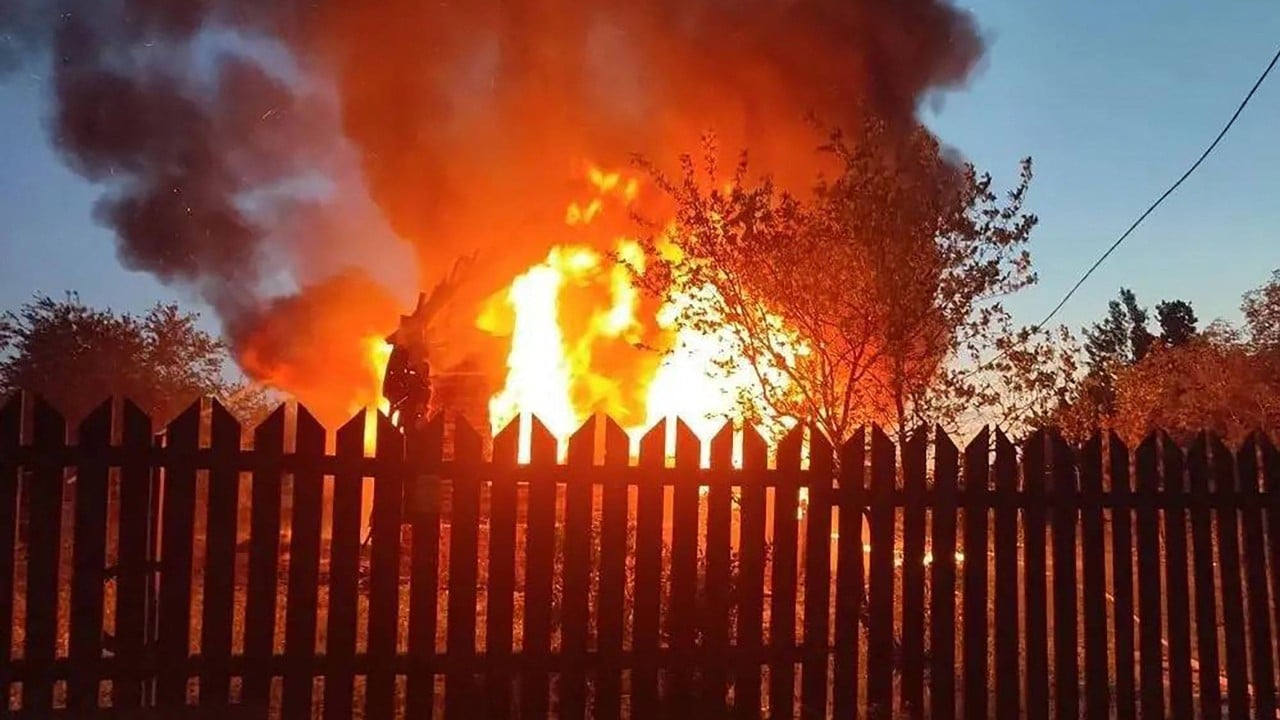
- Three people died and over a dozen were injured in drone strikes on Moscow.
- Moscow’s oil refinery suffered a rare direct hit during the attack.
- All four Moscow airports closed briefly due to flight disruptions before reopening.
Russia’s capital woke up to its worst drone attack on record, with at least three people killed and more than a dozen wounded after strikes hit homes and a major oil facility. The overnight raid damaged buildings in multiple suburbs and forced all four Moscow airports—Domodedovo, Sheremetyevo, Vnukovo, and Zhukovsky—to halt operations temporarily. By Sunday morning, flights had resumed after dozens of cancellations and long delays left travelers stranded overnight.
Moscow refinery struck for first time in years
Local authorities say the attack on the Moscow oil refinery was the first direct hit on the facility in years. The refinery, one of Russia’s largest, processes about 11 million tons of crude oil annually. Russian state media reported minor fires at the site, but officials claim no major damage to production. The strike signals a sharp escalation in Ukraine’s long-range drone campaign inside Russian territory.
Governor Vyacheslav Fetisov said residential areas in the Moscow region took the brunt of the attack. In the southern suburb of Troitsk, a drone crashed into an apartment building, killing two people. A third victim died in another suburb after debris struck a car. More than 20 people were hospitalized with injuries ranging from burns to broken bones.
Air travel chaos after overnight strikes
Air traffic control halted departures and arrivals at all four Moscow airports around 11 p.m. Saturday. Passengers reported sleeping on terminal floors as flights were delayed for hours. By 6 a.m. Sunday, authorities had reopened the airspace, though some carriers warned of ongoing delays. Aeroflot, Russia’s flagship airline, canceled or rescheduled more than 50 flights during the disruption.
Ukrainian officials did not immediately comment on the attack, but Ukrainian President Volodymyr Zelensky has previously vowed to hit Russian energy infrastructure to weaken Moscow’s war machine. The strike on the refinery follows a pattern of increasing Ukrainian drone and missile strikes deep inside Russia this year, including hits on oil depots in Rostov and Krasnodar regions.
Wider impact across Russia
While Moscow bore the brunt, regional governors reported drone debris in at least four other regions—Kaluga, Tula, Ryazan, and Smolensk. No casualties were reported outside the capital, but authorities warned of possible power outages after some substations were damaged by falling debris. Russian state TV showed footage of charred drone wreckage in fields outside Moscow, suggesting the attackers used civilian-model drones modified for long-range strikes.
The attack comes as Kyiv ramps up its efforts to disrupt Russia’s oil and gas sector, a key revenue source for Moscow’s war effort. Ukrainian forces have increasingly targeted refineries and pipelines, forcing Russia to reroute shipments and rely more on storage. Analysts say the Moscow refinery strike is more symbolic than strategically crippling, but it sends a clear message about Ukraine’s growing ability to project force inside Russia.
For now, Moscow’s streets are calm, but the psychological impact lingers. Many residents woke up to the sound of air raid sirens for the first time in months. Local Telegram channels lit up with videos of smoldering wreckage and warnings to stay indoors. Officials have urged calm, insisting that air defenses intercepted most incoming drones, but the scale of the attack has rattled a city that had largely escaped direct strikes since the war began.
The bigger question is whether this marks the start of a new phase in the war, with Ukraine stepping up long-range attacks on Russian soil. If so, Moscow’s residents—and its oil infrastructure—may face more nights like this one.
What You Need to Know
- Source: SCMP
- Published: May 17, 2026 at 10:39 UTC
- Category: World
- Topics: #scmp · #asia · #china · #world-news · #record-ukrainian · #moscow
Read the Full Story
This is a curated summary. For the complete article, original data, quotes and full analysis:
All reporting rights belong to the respective author(s) at SCMP. GlobalBR News summarizes publicly available content to help readers discover the most relevant global news.
Curated by GlobalBR News · May 17, 2026
Related Articles
- 🎉 250 Articles in World!
- WHO declares Ebola emergency as Congo outbreak spreads to Uganda
- WHO declares Ebola emergency as Congo and Uganda outbreaks surge
🇧🇷 Resumo em Português
Três pessoas morreram e mais de uma dezena ficou ferida após uma série de ataques com drones à noite em residências e uma refinaria de petróleo em Moscou, além de causar caos nos aeroportos da capital russa, com longos atrasos nos voos. O ataque, que deixou a população em alerta, expõe a escalada da guerra na Ucrânia e seus reflexos diretos sobre o território russo, incluindo a crescente vulnerabilidade de áreas antes consideradas seguras.
Embora a Rússia tenha intensificado seu sistema de defesa antiaérea nos últimos meses, este incidente demonstra que os drones ucranianos estão conseguindo romper barreiras e atingir alvos estratégicos, mesmo a centenas de quilômetros da linha de frente. Para o Brasil e os falantes de português, a notícia reforça a preocupação global com a guerra prolongada e seus impactos humanitários e econômicos, além de levantar questões sobre o papel de países como o Brasil em negociações de paz ou fornecimento de recursos para as partes envolvidas.
A situação deve agravar ainda mais a tensão entre Moscou e Kiev, com possíveis retaliações que podem incluir novos ataques ou o endurecimento das sanções internacionais contra a Rússia.
🇪🇸 Resumen en Español
Tres personas fallecieron y más de una docena resultaron heridas tras el ataque con drones nocturnos contra viviendas e instalaciones de una refinería en Moscú, que paralizó además el tráfico aéreo en varios aeropuertos de la capital rusa. El bombardeo, atribuido a Ucrania aunque sin confirmación oficial, reavivó los temores de una escalada del conflicto en un escenario ya de por sí tenso.
El episodio refleja la creciente vulnerabilidad de infraestructuras civiles en la guerra, donde los ataques con drones se han convertido en un arma recurrente para ambas partes, aunque con distinto alcance. Para los hispanohablantes, este tipo de noticias subraya cómo el conflicto trasciende las fronteras ucranianas, afectando la estabilidad energética y la seguridad regional, además de evidenciar la creciente sofisticación de los sistemas de guerra moderna que, tarde o temprano, podrían replicarse en otros escenarios de tensión global.
SCMP
Read full article at SCMP →This post is a curated summary. All rights belong to the original author(s) and SCMP.
Was this article helpful?



Discussion