Soaring gas prices are forcing Americans to cancel or alter summer travel plans due to higher costs.
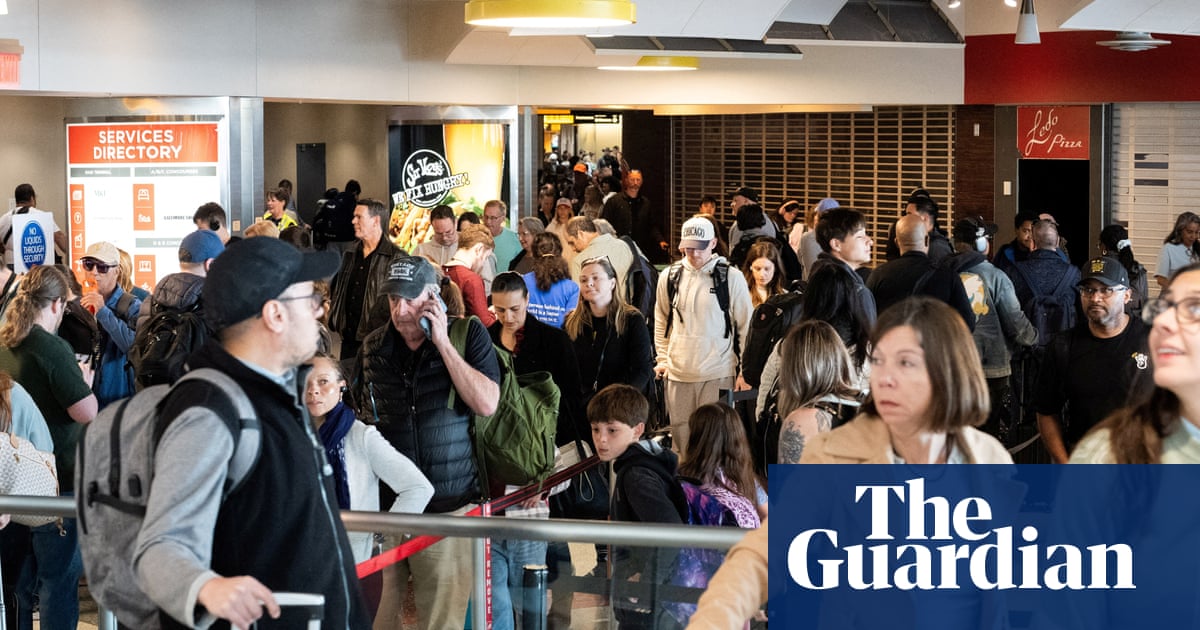
- Gas prices average $3.65 per gallon, highest since 2022
- Flight costs rise as airlines pass fuel surcharges to passengers
- Families cancel or scale back trips to offset higher travel expenses
Americans are canceling summer trips or choosing cheaper destinations as fuel prices surge to the highest levels since 2022. The national average for regular gasoline now stands at $3.65 per gallon, up 18 cents from a month ago and nearly 30 cents higher than this time last year, according to Automotive Club of America. The spike comes as tensions in the Middle East disrupt oil supplies and refiners switch to summer-blend gasoline, which is more expensive to produce.
Rising fuel costs squeeze travel budgets
For Chelsea Blackmore, a 35-year-old marketing manager from Chicago, the decision to cut costs meant swapping a planned Disney cruise for a road trip to Wisconsin. “I saved all year for that trip,” she said. “But when I saw the flight prices and the extra fees for bags and seats, it just didn’t make sense anymore.” Blackmore initially booked a $500 round-trip flight on Spirit Airlines to Orlando but later canceled it after noticing fuel surcharges tacked onto her reservation.
Airlines are passing higher fuel costs to passengers through surcharges and higher base fares. Major carriers like Delta Air Lines and United Airlines have added fuel surcharges of up to $100 on international flights, while domestic fares are up 12% compared to last summer, according to Hopper, a travel booking app.
Families cut trips as expenses climb
The squeeze is most acute for middle-class families who planned vacations months in advance. A survey by Tripadvisor found that 38% of Americans have altered or canceled travel plans this summer due to rising costs. Among those making changes, 62% cited higher gas prices as the primary reason, while 45% pointed to increased flight expenses.
Budget airlines like Spirit and Frontier Airlines are seeing demand soften as travelers opt for alternatives. Spirit reported a 7% drop in bookings for June and July compared to last year, while Frontier saw a 5% decline. Both airlines rely heavily on price-sensitive leisure travelers who are now cutting trips or choosing longer road trips to save money.
Economic ripple effects felt nationwide
The impact extends beyond vacations. Hotels in popular tourist destinations are reporting lower occupancy rates as families stay closer to home. In Orlando, hotel bookings for July are down 8% from last year, according to STR, a hotel industry data firm. Local businesses that depend on tourist spending are already feeling the pinch, with some restaurants and attractions reporting a 10-15% drop in weekday visitors.
Economists warn the trend could weaken consumer spending, which has been a key driver of economic growth. “When discretionary spending like travel gets pulled back, it can have a domino effect on related industries,” said Sarah House, a senior economist at Wells Fargo. “We’re seeing early signs that this could slow down some areas of the economy if the trend continues.”
Air travel demand remains strong overall, but analysts expect further fare increases if oil prices keep climbing. The U.S. Energy Information Administration projects gasoline prices will average $3.75 per gallon this summer, up from $3.51 last year. Airlines are hedging against further volatility by locking in fuel contracts, but analysts say those protections may not last if geopolitical tensions persist.
Travel experts advise consumers to book soon if they plan to travel this summer, as prices are likely to keep rising. Those who can’t afford trips are turning to staycations, local day trips, or shorter getaways to nearby destinations. For many, the dream of a summer escape is being replaced by the reality of tighter budgets and fewer options.
What You Need to Know
- Source: The Guardian
- Published: May 09, 2026 at 12:00 UTC
- Category: Business
- Topics: #guardian · #business · #economy · #war · #conflict · #spiritless
Read the Full Story
This is a curated summary. For the complete article, original data, quotes and full analysis:
All reporting rights belong to the respective author(s) at The Guardian. GlobalBR News summarizes publicly available content to help readers discover the most relevant global news.
Curated by GlobalBR News · May 09, 2026
Related Articles
- How Trump’s ‘unusual’ brokerage account traded around his own market-moving decisions—selling hyperscalers and buying energy stocks during the war
- Cerebras debuts on Wall Street with AI chip demand soaring 2024
- Key arguments revealed in Musk vs OpenAI trial closing statements
🇧🇷 Resumo em Português
Os brasileiros que planejam viagens para os Estados Unidos neste verão precisarão desembolsar mais do que o esperado, já que os custos com combustível e passagens aéreas atingiram os níveis mais altos desde 2022. Com o preço do petróleo em alta, a inflação nos EUA pressiona ainda mais o bolso das famílias que buscam férias, forçando muitos a repensar destinos ou reduzir gastos.
No Brasil, o impacto dessa tendência é sentido indiretamente, uma vez que o real desvalorizado frente ao dólar encarece ainda mais os gastos em moeda estrangeira, como passagens, hospedagem e alimentação no exterior. Além disso, a alta no preço dos combustíveis nos EUA pode influenciar os mercados globais de petróleo, afetando diretamente o preço da gasolina e do diesel no Brasil, que já enfrentou crises recentes nesse setor. Para os consumidores brasileiros, a combinação de inflação global, câmbio desfavorável e custos de viagem em alta exige um planejamento financeiro mais rigoroso.
A tendência deve se manter nos próximos meses, com especialistas indicando que os preços só devem recuar após o pico da temporada de viagens, no meio do ano.
🇪🇸 Resumen en Español
El verano se encarece en EE.UU. mientras los precios del petróleo alcanzan su nivel más alto desde 2022. El alza del crudo, impulsada por recortes de producción y tensiones geopolíticas, se traslada directamente a los bolsillos de los viajeros, que ven cómo los carburantes y los billetes de avión se disparan justo cuando millones de familias planifican sus vacaciones estivales.
La tendencia refleja un problema global con impacto directo en los hispanohablantes, tanto residentes en España como en América Latina. Con el precio medio de la gasolina rozando máximos de dos años, los viajes por carretera —tradicionalmente más económicos— pierden atractivo frente a destinos más cercanos o al transporte público. Además, la inflación acumulada en servicios turísticos obliga a replantearse prioridades, desde alojamientos hasta actividades, en un contexto donde el poder adquisitivo sigue resentido tras años de crisis económica. La situación subraya la vulnerabilidad de las economías domésticas ante la volatilidad de los mercados energéticos.
The Guardian
Read full article at The Guardian →This post is a curated summary. All rights belong to the original author(s) and The Guardian.
Was this article helpful?


Discussion