West Bengal erupts in violence after BJP defeats TMC in state elections, with a top Modi aide killed and over 300 arrested in street clashes.
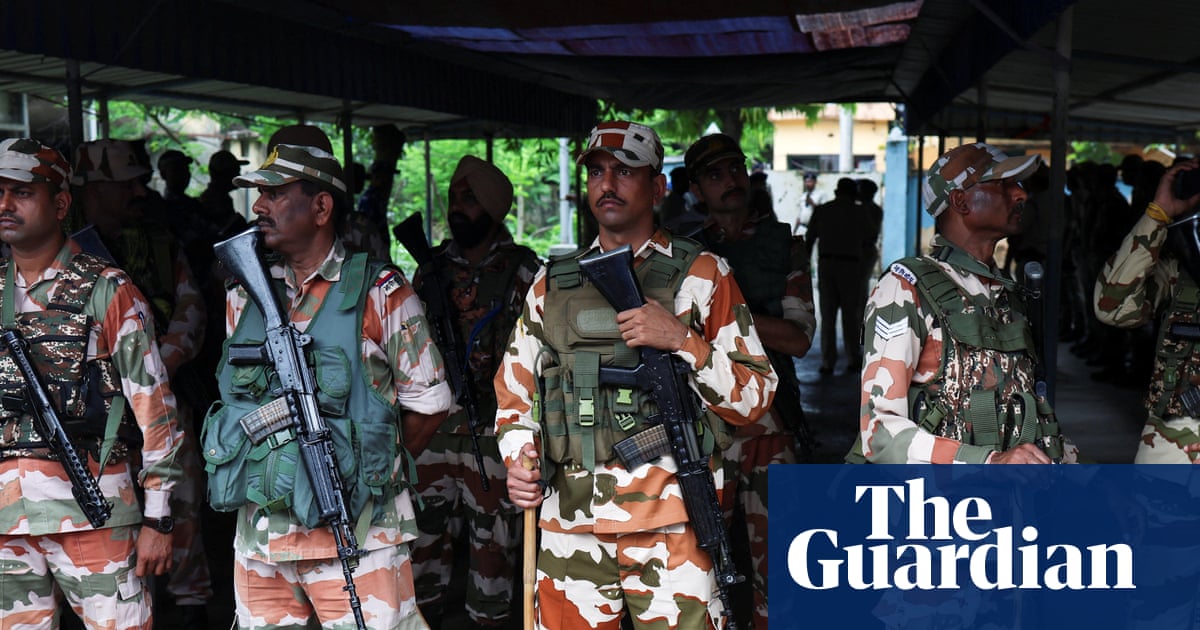
- BJP claims victory in West Bengal state elections on Monday
- Trinamool Congress ruled the state for 15 years before loss
- Top BJP aide shot dead in street violence on Tuesday
A Bharatiya Janata Party (BJP) political aide was gunned down in broad daylight on Tuesday in West Bengal’s Haldia district, triggering a fresh wave of street violence just hours after Narendra Modi’s party declared victory in state legislative elections. Police said Ananta Kuila, a local BJP organizer, was shot in the chest while walking near a market around noon. He died on the way to hospital. Authorities have registered a murder case and arrested two suspects, but motive remains unclear. Meanwhile, protests erupted across the state as supporters of both parties clashed with police and each other, hurling stones and setting vehicles ablaze in several districts including Kolkata, Malda, and Howrah. At least 312 people have been arrested so far, most charged with rioting and unlawful assembly, according to state police records accessed Wednesday morning. Hospitals reported treating dozens of injured officers and civilians overnight, including several with bullet wounds and burns from arson attacks. Internet services were suspended in six districts as authorities tried to curb the spread of rumors and inflammatory videos on social media that appeared to stoke tensions further. The clampdown mirrors similar moves during past election-related unrest in West Bengal, where political violence has historically flared quickly along party lines. The state’s election commission confirmed the BJP won 77 of 294 seats, ending the Trinamool Congress (TMC) 15-year grip on power. Mamata Banerjee, TMC’s leader and West Bengal’s outgoing chief minister, resigned Tuesday evening, pledging a smooth transition while blaming the BJP for provoking unrest to “destabilize democratic processes.” The BJP dismissed her allegations as baseless, pointing to its election results as proof of voter trust. Analysts say the violence reflects deeper tensions between the two parties, which have traded accusations of intimidation and rigging for years. West Bengal has long been a political battleground due to its large electorate, economic disparities, and history of street-level clashes. The BJP’s rise here mirrors its growing footprint in eastern India, where it has chipped away at regional parties’ dominance in recent state and national elections. ## BJP’s victory ends TMC’s decade-and-a-half rule The BJP secured 38.7% of the vote share compared to TMC’s 37.4%, according to provisional results released Monday night. The margin was narrow but decisive, flipping districts long considered TMC strongholds like South 24 Parganas and North Dinajpur. TMC, led by Banerjee, had positioned itself as a bulwark against the BJP’s Hindu nationalist agenda, emphasizing welfare schemes and local identity politics. But the party struggled with allegations of corruption, voter suppression, and fatigue after 15 years in power. BJP leaders celebrated the win as a sign of Modi’s popularity, even in states where his party had struggled before. Home Minister Amit Shah told reporters Tuesday that the result showed voters “prefer development over dynasty politics,” a clear jab at Banerjee’s family-centric leadership style. The victory also gives the BJP control over West Bengal’s legislative assembly for the first time since 2011, when Mamata Banerjee first took office. ## Violence erupts despite heavy security Over 100,000 state and central police officers were deployed across West Bengal for the elections, yet clashes broke out within hours of results being declared. In Behala, a TMC stronghold in Kolkata, crowds set fire to a BJP office after rumors spread that party workers had beaten a local youth. In Nadia, a district bordering Bangladesh, police fired tear gas to disperse stone-throwing mobs near a polling station that had reported irregularities during voting. Hospital sources in Siliguri said at least 17 people, including five police officers, were admitted with injuries after clashes in the city’s outskirts. Social media feeds were flooded with videos of burning buses, shattered shop windows, and masked men attacking each other with rods. State authorities said they had identified at least 14 hotspots where violence was most intense and had increased patrols. The internet blackout, which affected districts including Murshidabad and Birbhum, drew criticism from digital rights groups who warned it could hinder emergency communication and press freedom. ## What happens next in West Bengal The BJP now faces the challenge of governing a state where tensions remain high and trust is low. Governor C.V. Ananda Bose is expected to invite the BJP to form the government within days, following constitutional procedure. But analysts say the party will need to tread carefully to avoid escalating the cycle of retaliation. Mamata Banerjee has urged her supporters to remain calm and avoid provocations, while BJP leaders have called for “peace and stability” even as their cadres celebrate. The election commission has asked both parties to cooperate in ensuring a peaceful transition, especially in districts where results were close. Meanwhile, families of the arrested are staging protests outside police stations, demanding their release. The central government has assured full support to state authorities to restore order, but the scale of unrest suggests deeper social fractures. For now, West Bengal’s streets remain tense, with barricades up in several areas and police checkpoints dotting major roads. The coming weeks will reveal whether the BJP can govern effectively—or if the violence was just the first taste of a longer storm.
What You Need to Know
- Source: The Guardian
- Published: May 07, 2026 at 15:02 UTC
- Category: World
- Topics: #guardian · #world-news · #international · #politics · #election · #tensions
Read the Full Story
This is a curated summary. For the complete article, original data, quotes and full analysis:
All reporting rights belong to the respective author(s) at The Guardian. GlobalBR News summarizes publicly available content to help readers discover the most relevant global news.
Curated by GlobalBR News · May 07, 2026
Related Articles
- Zimbabwe’s diaspora reshapes real estate and farming investment trends
- 🎉 250 Articles in World!
- Eurovision 2024 faces scrutiny over Israel’s participation amid war
🇧🇷 Resumo em Português
A vitória do BJP nas eleições de West Bengal não apenas encerrou 15 anos de domínio do TMC, mas também acendeu um clima de tensão e violência que já deixou um morto e mais de 300 presos. O resultado, anunciado em meio a confrontos nas ruas, expôs a crescente polarização política na Índia e os desafios de uma transição de poder marcada por acusações mútuas entre as legendas.
O Brasil, que assiste com atenção às dinâmicas políticas internacionais, tem motivos para acompanhar esse cenário com preocupação. Além das implicações regionais na Ásia — onde a Índia joga um papel central na rivalidade com a China —, a violência pós-eleitoral serve de alerta sobre os riscos de radicalização em democracias pluripartidárias. Para a comunidade lusófona, o episódio reforça a necessidade de refletir sobre como eleições acirradas podem desencadear conflitos sociais, um tema cada vez mais relevante em tempos de polarização global.
O desdobramento agora passa pelo papel das forças de segurança na manutenção da ordem e pela apuração das responsabilidades nos confrontos, enquanto o BJP comemora a vitória mas precisa lidar com a sombra da instabilidade.
🇪🇸 Resumen en Español
El Bharatiya Janata Party (BJP) ha logrado un hito histórico al arrebatar al partido Trinamool Congress (TMC) el control de Bengala Occidental tras quince años de hegemonía, un giro político que ha desatado una ola de violencia en las calles. La elección, marcada por una intensa polarización, dejó un saldo trágico: un colaborador del BJP fue asesinado a tiros y más de 300 personas fueron detenidas en enfrentamientos que se extendieron por varios distritos del estado.
El resultado electoral refleja el creciente descontento con la administración del TMC, acusado de prácticas autoritarias y clientelismo, pero también expone las tensiones comunitarias que el ascenso del BJP —aliado a grupos nacionalistas hindúes— ha avivado en una región tradicionalmente dominada por partidos de izquierda y seculares. Para los hispanohablantes, este episodio subraya cómo la política identitaria y el auge de formaciones ultranacionalistas pueden reconfigurar el panorama democrático de países con profundas divisiones sociales, sirviendo como advertencia sobre los riesgos de la radicalización en sociedades pluriculturales.
The Guardian
Read full article at The Guardian →This post is a curated summary. All rights belong to the original author(s) and The Guardian.
Was this article helpful?


Discussion