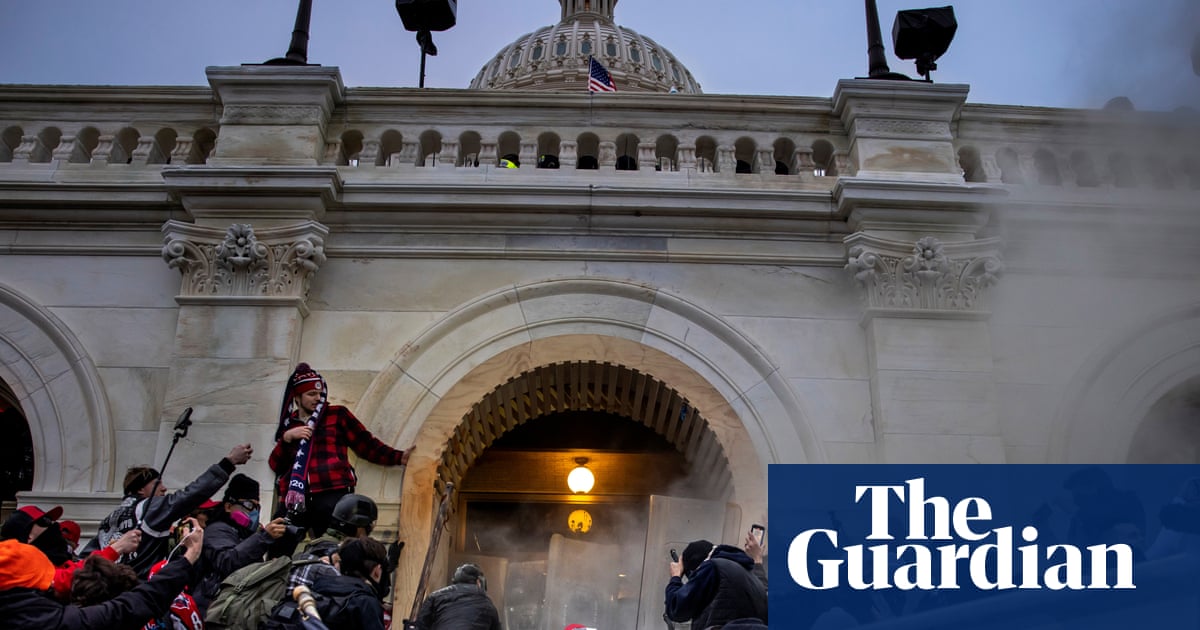
Five Trump-pardoned Jan. 6 rioters now face new charges after Ryan Nichols allegedly brandished a gun in Texas.
- Five pardoned Jan. 6 rioters now face new criminal charges
- Ryan Nichols is the latest accused of brandishing a gun in Texas
- Pardons occurred after federal convictions for Capitol attack roles
Ryan Nichols, 35, of Harleton, Texas, became the latest Capitol riot participant pardoned by former President Donald Trump to face new criminal charges. On May 10, authorities say Nichols threatened a person by displaying a handgun during an argument in a church parking lot. He now faces charges of aggravated assault with a deadly weapon, according to the Harrison County Sheriff’s Office. Nichols was among 14 people pardoned by Trump in January 2021 for their roles in the January 6, 2021, attack on the U.S. Capitol.
The number of pardoned rioters now facing new charges has risen to at least five, according to court records and law enforcement sources. Federal records show Nichols was originally convicted in 2022 for trespassing and disorderly conduct during the Capitol breach. His pardon came just days before he was set to be sentenced. Legal experts note that pardons do not shield individuals from accountability for crimes committed after the pardon date.
Legal consequences continue despite pardons
Federal and state prosecutors have taken a firm stance against the pardoned individuals who face new allegations. In April, another pardoned rioter, Stephen Ayres of Ohio, was charged with misdemeanor assault after allegedly punching a police officer during a road rage incident. Ayres, who had been pardoned by Trump in December 2020 for a prior federal conviction unrelated to the Capitol riot, now faces an additional charge for the new incident. His case highlights the broader legal scrutiny facing pardoned individuals who reoffend.
At least three other pardoned Capitol rioters have also been charged with new crimes since their pardons. These include allegations of domestic violence, drug possession, and theft. Prosecutors argue that the pardons do not absolve individuals of responsibility for subsequent illegal actions. Legal analysts point out that pardons typically apply only to the specific offense listed and do not provide blanket immunity.
Trump’s pardons and their impact
Trump’s January 2021 pardons for Capitol rioters drew widespread criticism from legal experts and lawmakers. Critics argued that the pardons undermined accountability for the violent assault on the Capitol, which resulted in five deaths and hundreds of injuries. The attack disrupted a joint session of Congress certifying Joe Biden’s electoral victory. Trump’s pardons covered 14 individuals convicted or charged in connection with the riot.
Legal scholars note that pardons are a presidential power but do not erase a person’s criminal record. They can restore certain rights, such as voting or holding public office, but do not prevent prosecution for new crimes. The U.S. Constitution grants the president broad authority to issue pardons, but this authority does not extend to state crimes or future offenses. The recent cases underscore the limits of presidential pardons in shielding individuals from all legal consequences.
Broader implications for accountability
The cases of the pardoned rioters reflect a growing trend of post-pardon prosecutions. Legal experts say the developments send a message that pardons do not provide a free pass for future criminal behavior. Prosecutors and law enforcement agencies appear to be actively pursuing charges against pardoned individuals who commit new crimes. This approach aligns with the principle that pardons address past offenses but do not condone ongoing or future illegal activity.
The situation also raises questions about the effectiveness of pardons as a tool for political or social goals. While pardons can be used to correct perceived injustices or promote reconciliation, they can also face backlash when perceived as undermining justice. The recent cases involving pardoned Capitol rioters highlight the tensions between presidential authority and the legal system’s role in maintaining public safety. Legal analysts suggest that the outcomes of these cases could influence future pardon decisions and public perceptions of their consequences.
What You Need to Know
- Source: The Guardian
- Published: May 16, 2026 at 10:00 UTC
- Category: World
- Topics: #guardian · #world-news · #international · #politics · #government · #trump
Read the Full Story
This is a curated summary. For the complete article, original data, quotes and full analysis:
All reporting rights belong to the respective author(s) at The Guardian. GlobalBR News summarizes publicly available content to help readers discover the most relevant global news.
Curated by GlobalBR News · May 16, 2026
Related Articles
- Eurovision 2024 faces scrutiny over Israel’s participation amid war
- US Justice Department preparing indictment against Raúl Castro
- US planning to criminally indict ex-Cuban leader Raúl Castro
🇧🇷 Resumo em Português
O homem que uma vez acreditou que seria absolvido graças a um perdão de Donald Trump agora enfrenta acusações que podem redefinir sua trajetória. No mínimo cinco pessoas beneficiadas pelo indulto presidencial de 2020, após participarem do ataque ao Capitólio em 6 de janeiro de 2021, voltam a ser alvo da Justiça norte-americana, com acusações que incluem obstrução da Justiça e conspiração. A decisão de reabrir os casos, meses depois do perdão, sinaliza uma reviravolta nos esforços para responsabilizar os envolvidos no tumulto que parou a democracia americana.
O caso ganha contornos ainda mais relevantes no Brasil, onde a polarização política e as discussões sobre punição de crimes contra o Estado frequentemente ecoam os debates norte-americanos. Aqui, as acusações contra figuras como Ryan Nichols — que, segundo registros, se gabava de ter “conquistado” o Capitólio — reforçam a discussão sobre até que ponto perdões políticos podem ser usados para encobrir atos violentos em nome de uma agenda. Para o público brasileiro, o episódio serve como um lembrete de como a impunidade em crimes de natureza política pode ser um terreno fértil para a reincidência, além de levantar questões sobre a soberania da Justiça frente a pressões executivas.
A Justiça americana agora terá que decidir se os novos processos prosperam, enquanto o Brasil observa, atento às consequências de se normalizar a interferência política em casos de segurança nacional.
🇪🇸 Resumen en Español
Cinco de los condenados por su participación en el asalto al Capitolio del 6 de enero de 2021, que recibieron el indulto de Donald Trump, enfrentan ahora nuevos cargos criminales. La decisión judicial reabre un capítulo polémico en la historia reciente de Estados Unidos, donde la impunidad y la justicia parecen chocar.
El caso plantea serias dudas sobre el alcance de los indultos presidenciales y su impacto en procesos judiciales ya cerrados. Para los hispanohablantes en EE.UU., este giro subraya la fragilidad de las decisiones legales cuando la política se entromete en la justicia, generando incertidumbre sobre la igualdad ante la ley. Además, refleja cómo los eventos del 6 de enero siguen teniendo repercusiones, incluso años después, y cómo figuras poderosas pueden influir en procesos que deberían ser imparciales.
The Guardian
Read full article at The Guardian →This post is a curated summary. All rights belong to the original author(s) and The Guardian.
Was this article helpful?

Discussion