Russia kills 24 in massive Ukraine attack amid rising tensions.
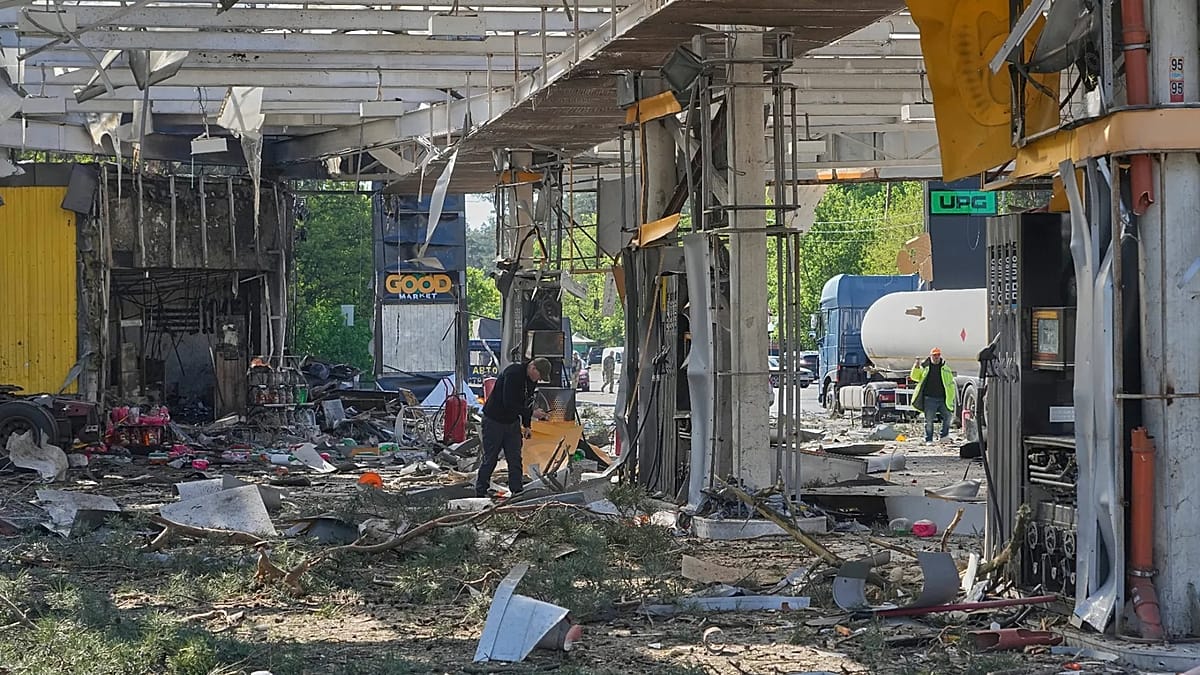
- Russia launches largest Ukraine attack since 2020
- At least 24 civilians killed in missile and drone strikes
- Kyiv and surrounding regions hit hardest
Russia struck Ukraine with one of its most extensive aerial assaults in years on Thursday, killing at least 24 civilians and injuring dozens more as missiles and drones rained down on Kyiv and nearby regions. The barrage marked Moscow’s largest coordinated attack since 2020, according to Ukrainian officials, and came amid escalating frontline fighting and stalled peace negotiations. Ukrainian President Volodymyr Zelenskyy called the attack a deliberate attempt to terrorize civilians, while Kyiv’s mayor reported widespread power outages and damage to critical infrastructure.
Heavy civilian toll in Kyiv and beyond
The assault began before dawn, with air raid sirens blaring across the capital as explosions rocked residential neighborhoods and commercial districts. Emergency services reported at least 24 dead and 70 injured, with numbers expected to rise as rescue teams combed through rubble for survivors. Hospitals in Kyiv were overwhelmed, and temporary morgues were set up to handle the dead. In neighboring Lviv, authorities said drones struck an industrial zone, causing fires and forcing evacuations. Regional governors reported similar damage in Dnipropetrovsk and Odesa, where power grids were damaged.
Ukrainian authorities described the attack as a mix of high-precision missiles and Soviet-era drones, some of which were intercepted by air defenses. Kyiv’s mayor, Vitali Klitschko, said at least three residential buildings were destroyed, including a high-rise apartment complex in the Darnytskyi district. Videos shared on social media showed smoldering wreckage and residents sifting through debris for belongings. The attack disrupted train services and forced temporary closures of schools and businesses.
International response: EU rallies behind Ukraine
European Union leaders swiftly condemned the strike, with Ursula von der Leyen, president of the European Commission, calling it a “brutal escalation.” She pledged further military and humanitarian aid, including air defense systems. NATO Secretary General Jens Stoltenberg reiterated the alliance’s backing for Ukraine, warning Moscow of “severe consequences” for targeting civilians. The U.S. State Department also issued a statement supporting Kyiv and urging de-escalation.
Escalating conflict amid stalled talks
The attack follows months of intensified fighting along the front lines, where Ukrainian forces have struggled to push back Russian advances. Peace talks have stalled, with both sides accusing the other of violating ceasefire agreements. Analysts say Moscow may be attempting to pressure Ukraine into concessions ahead of winter, when energy shortages could further strain Kyiv’s defenses. Ukrainian officials accused Russia of targeting civilian infrastructure to undermine morale, while Moscow claimed the strikes were aimed at military logistics.
As the death toll rises, Ukrainian rescue teams and volunteers continue clearing rubble and assisting survivors. Power restoration efforts are underway, but officials warn of prolonged blackouts as repair crews work through damaged networks. The international community is expected to hold an emergency session at the United Nations to address the escalation. For now, Kyiv and other affected regions brace for further attacks as tensions show no signs of easing.
What You Need to Know
- Source: Euronews
- Published: May 15, 2026 at 08:49 UTC
- Category: World
- Topics: #euronews · #europe · #world-news · #war · #weapons · #military
Read the Full Story
This is a curated summary. For the complete article, original data, quotes and full analysis:
All reporting rights belong to the respective author(s) at Euronews. GlobalBR News summarizes publicly available content to help readers discover the most relevant global news.
Curated by GlobalBR News · May 15, 2026
Related Articles
- Zimbabwe’s diaspora reshapes real estate and farming investment trends
- 🎉 250 Articles in World!
- Eurovision 2024 faces scrutiny over Israel’s participation amid war
🇧🇷 Resumo em Português
A Ucrânia sofreu na sexta-feira o maior ataque russo em quatro anos, com dezenas de mísseis e drones atingindo Kiev e outras regiões, resultando em pelo menos 24 mortos. O bombardeio, que marcou uma escalada brutal no conflito que já dura dois anos, expôs a vulnerabilidade das defesas ucranianas e reacendeu temores sobre a capacidade de resistência do país frente à ofensiva russa.
O ataque ocorreu em meio a um momento delicado nas relações internacionais, com a União Europeia condenando firmemente a agressão e reafirmando seu apoio à Ucrânia. Para o Brasil, que mantém uma posição de neutralidade formal no conflito mas acompanha de perto as repercussões globais, a notícia reforça os riscos de uma guerra prolongada que afeta diretamente a segurança energética e alimentar, além de pressionar a já fragilizada economia mundial. A escalada também coloca em xeque os esforços diplomáticos recentes, que haviam sinalizado esperanças de negociações, mas agora parecem ainda mais distantes.
Ainda não há previsão de quando a Rússia cessará esses ataques, mas a comunidade internacional deve se mobilizar rapidamente para evitar novos massacres civis.
🇪🇸 Resumen en Español
Rusia lanzó una de las ofensivas más devastadoras contra Ucrania en los últimos cuatro años, dejando al menos 24 muertos tras un bombardeo masivo con misiles y drones que sacudió Kiev y otras regiones del país. La magnitud del ataque, el más intenso desde la invasión a gran escala en 2022, ha reavivado las tensiones en un conflicto que ya suma más de dos años de destrucción y sufrimiento.
El ataque, que las autoridades ucranianas atribuyen a Rusia, ha sido condenado por líderes de la Unión Europea, quienes lo consideran un nuevo intento por quebrantar la resistencia ucraniana. Para los hispanohablantes, este episodio subraya la gravedad de una guerra que, pese a la distancia geográfica, sigue generando alertas globales por su impacto humanitario y las implicaciones en la seguridad europea. Mientras Moscú justifica sus acciones como “operaciones militares”, Kiev insiste en que solo la unidad internacional puede frenar la agresión, un debate que trasciende fronteras y exige atención mediática constante.
Euronews
Read full article at Euronews →This post is a curated summary. All rights belong to the original author(s) and Euronews.
Was this article helpful?



Discussion