UK government bans 11 far-right activists before Tommy Robinson’s Saturday rally over public order concerns.
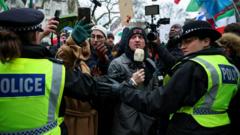
- Government bans 11 far-right activists ahead of Tommy Robinson rally
- Bans cite public order risks and potential disruption
- Stephen Yaxley-Lennon, aka Tommy Robinson, organizes Saturday event
The UK government has barred eleven far-right activists from entering the country ahead of a rally organized by Stephen Yaxley-Lennon, widely known as Tommy Robinson. The Home Office confirmed the exclusions on Friday, citing risks to public order and potential for serious disruption. Robinson, a prominent anti-Islam activist, has scheduled the event for Saturday in a major UK city.
Authorities did not disclose the names of the banned individuals but stated they were identified as far-right agitators. Immigration rules allow the government to exclude non-UK citizens deemed likely to stir unrest. The move follows heightened police and intelligence monitoring of planned protests linked to Robinson’s rallies.
Public order concerns drive exclusions
Home Office officials said the bans were imposed after assessments indicated these individuals could incite violence or provoke clashes during the rally or related demonstrations. Police forces across the UK have been briefed on potential threats and are preparing for a visible security presence at the event. Authorities have urged participants to remain peaceful and follow lawful assembly guidelines.
Robinson, who has a history of organizing contentious street demonstrations, has faced repeated bans from public speaking and social media platforms. His rallies often draw counter-protesters, increasing the risk of disorder. Police forces have previously reported injuries and property damage at events associated with his activities.
Organizers defend protest rights amid restrictions
Supporters of Robinson’s right to protest argue that banning activists undermines free speech. Organizers of the rally emphasized it was a peaceful demonstration against what they describe as a growing threat from Islamist extremism. However, critics say Robinson’s rhetoric has repeatedly inflamed tensions and contributed to far-right mobilization.
The Home Office confirmed that exclusion decisions were made under powers granted by the Immigration Act 1971, which allows authorities to prevent non-UK citizens from entering if their presence is not conducive to the public good. These powers have been used in the past to block far-right figures from entering the UK for similar reasons.
Police forces in the host city have increased patrols and are coordinating with national counter-terrorism units. Authorities are also monitoring online chatter for threats or calls to disrupt the event. Residents in the area have been advised to avoid the vicinity of the planned rally unless attending as part of organized protest groups.
What happens next will depend on turnout, police response, and whether counter-protesters or banned activists attempt to circumvent the travel bans. The government’s action signals a firm stance ahead of potential unrest, but Robinson’s movement has shown resilience in past demonstrations.
What You Need to Know
- Source: BBC News
- Published: May 15, 2026 at 15:48 UTC
- Category: Politics
- Topics: #bbc · #politics · #eleven · #saturday · #islam
Read the Full Story
This is a curated summary. For the complete article, original data, quotes and full analysis:
All reporting rights belong to the respective author(s) at BBC News. GlobalBR News summarizes publicly available content to help readers discover the most relevant global news.
Curated by GlobalBR News · May 15, 2026
Related Articles
- Starmer’s leadership under pressure as Labour MPs question authority
- Thousands gather in London for far-right and pro-Palestine marches
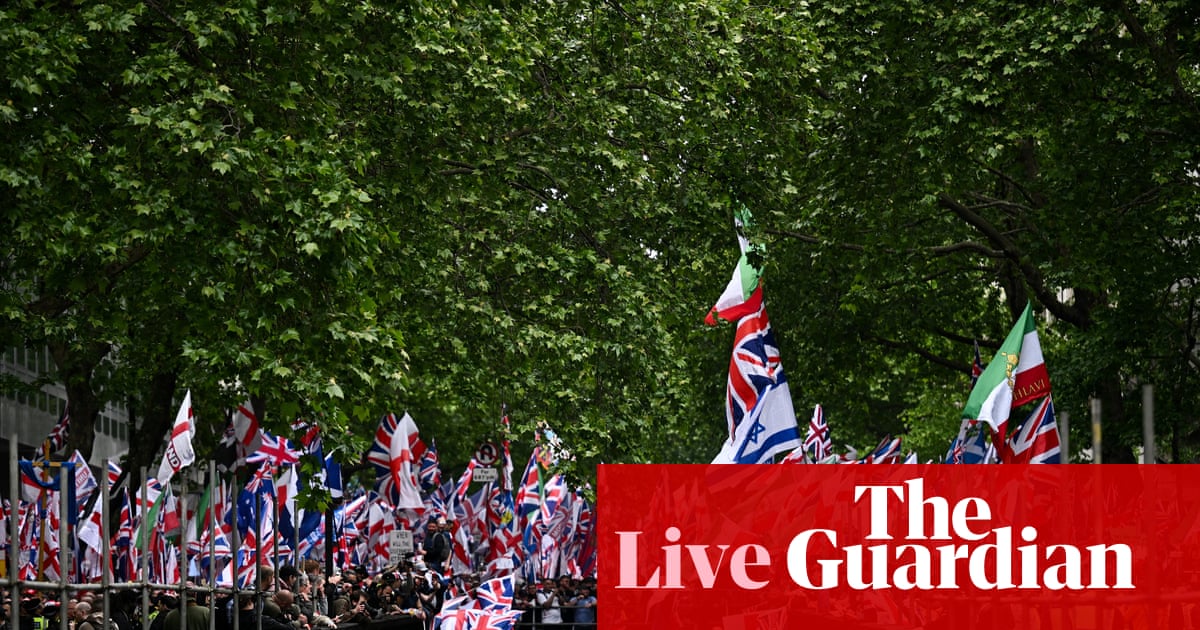
- Tens of thousands descend on London for far-right and pro-Palestine marches – live
🇧🇷 Resumo em Português
O governo britânico anunciou a proibição de entrada de 11 ativistas de extrema direita no Reino Unido, medida tomada às vésperas de um polêmico comício do controverso ativista anti-Islã Tommy Robinson, programado para este sábado. A decisão, justificada por “preocupações com a ordem pública”, reforça o endurecimento do Reino Unido contra figuras que incitam o ódio e a violência, em um momento de crescente tensão política e social no país.
A proibição ocorre em um contexto de recrudescimento da polarização política global, com a extrema direita ganhando espaço em diversas nações, inclusive na Europa. Para o Brasil, que também enfrenta desafios com o avanço de discursos de ódio e desinformação, a medida britânica serve como um exemplo de como governos podem agir para conter a radicalização, sem necessariamente recorrer à censura. A situação coloca em xeque o equilíbrio entre liberdade de expressão e segurança pública, um debate que ganha força também em terras brasileiras, onde figuras políticas têm sido associadas a movimentos de extrema direita.
Enquanto o comício de Robinson deve ocorrer neste sábado, a eficácia da proibição e suas consequências para o cenário político britânico ainda estão por ser vistas, assim como o reflexo que essa decisão pode ter em outros países, incluindo o Brasil.
🇪🇸 Resumen en Español
El Gobierno británico ha vetado la entrada a once destacados activistas de extrema derecha en un movimiento sin precedentes con vistas a la controvertida concentración convocada por Tommy Robinson este sábado en Londres. La decisión, basada en “riesgos para el orden público”, marca un giro en la estrategia de las autoridades para frenar el ascenso de discursos de odio en el país.
La prohibición llega en un momento de creciente polarización en Reino Unido, donde la ultraderecha ha ganado visibilidad tras el Brexit y la crisis migratoria, alimentando tensiones sociales. Robinson, conocido por su retórica islamófoba, ha sido señalado en anteriores ocasiones por incitar al odio, y su última movilización —programada en una zona de alta diversidad étnica— amenaza con desatar disturbios. Para los hispanohablantes, el caso sirve como advertencia sobre cómo las democracias occidentales gestionan el auge de la ultraderecha y el equilibrio entre libertad de expresión y seguridad ciudadana.
BBC News
Read full article at BBC News →This post is a curated summary. All rights belong to the original author(s) and BBC News.
Was this article helpful?

Discussion