Coal pollution cuts solar energy output by up to 20% annually, costing billions in lost power.
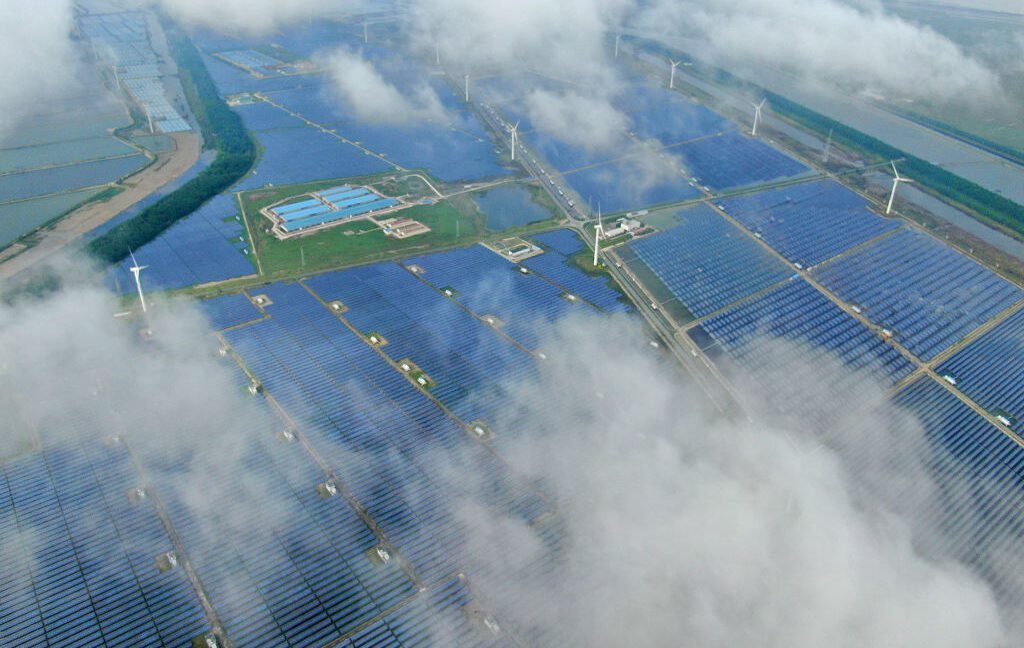
- Coal plants emit sulfur aerosols that block sunlight
- Solar panels lose up to 20% efficiency near coal plants
- Pollution from coal costs billions in lost renewable energy
Aerosols from coal power plants are worse than just smog—they’re actively sabotaging solar energy production. A new study in Nature Energy found that sulfur dioxide, nitrogen oxides, and fine soot from burning coal scatter sunlight and coat solar panels, reducing their output by 10% to 20% in some regions. The worst-hit areas are near major coal plants in China, India, and the U.S., where solar farms lose hundreds of terawatt-hours of potential power every year. That’s enough to power millions of homes—and it’s happening because of pollution we thought we already accounted for.
How coal smoke blocks the sun
When coal burns, it releases sulfur dioxide that reacts with water vapor to form sulfate aerosols. These particles linger in the air, acting like tiny mirrors that reflect sunlight back into space instead of letting it reach solar panels. The same pollutants also settle as acid rain or dust, corroding panels and clogging their surfaces. Researchers compared satellite data on aerosol levels with solar output records from over 1,500 power plants between 2016 and 2022. The results showed a clear pattern: the more coal pollution in the air, the less power solar farms produced. In parts of northern China, solar output dropped by nearly a quarter during peak pollution months.
Coal isn’t the only source of these aerosols—dust storms, wildfires, and even volcanic eruptions contribute—but it’s the biggest human-made contributor. The study estimates that coal alone cuts global solar potential by about 15%, with losses exceeding 20% in industrial hotspots. That’s on top of the health costs, which already make coal a losing proposition. The International Energy Agency IEA has long argued that replacing coal with renewables saves more in healthcare costs than it costs to build new solar and wind farms. Now, it seems, there’s another reason to shut them down.
The hidden cost of ‘cheap’ coal power
The U.S. Energy Information Administration EIA projects that solar power will supply nearly half of the world’s electricity by 2050. But if current pollution trends continue, that growth could stall. The study’s authors warn that without stricter limits on coal emissions, solar farms near power plants might never reach their full potential. In India, for example, solar capacity has grown 15% annually, but air pollution from coal plants is eroding those gains. A separate analysis by Carbon Brief found that India’s solar output could be 8% higher if not for coal pollution.
The problem isn’t just technical—it’s financial. The study estimates that coal-related aerosol pollution costs the global solar industry $8 billion to $10 billion per year in lost electricity. That’s money that could’ve paid for more solar panels or grid upgrades. Utilities and investors are already factoring in panel efficiency, but most don’t account for the localized impact of nearby coal plants. Even solar farms hundreds of miles from coal plants feel the effect, as pollutants travel on wind currents.
Can anything fix this?
The obvious solution is to phase out coal faster. The IEA says coal use must drop by 90% by 2040 to meet climate goals, but current policies point to only a 50% cut. Stricter emission controls could help, but they’re expensive and politically contentious. Some solar farms are installing air filtration systems to clean panels, but that adds to operating costs. Another approach is to site new solar farms in cleaner regions, away from industrial pollution. Countries like Australia and Chile, which have vast open spaces with low aerosol levels, are already seeing higher solar efficiency.
There’s also growing interest in ‘solar-to-grid’ tracking systems that adjust panel angles to minimize the impact of scattered light. But these are stopgaps. The real fix requires tackling coal head-on. The study’s lead author, Dr. Bart Sweerts, told reporters that without drastic action, “we’re essentially lighting candles to fight the dark while someone blows out the match.” It’s a stark reminder that the hidden costs of fossil fuels aren’t just in the air we breathe—they’re in the energy we can’t harness.
For now, the race is on between cleaning up coal and scaling up solar. If pollution wins, the world’s renewable energy goals could get a lot harder to reach. If coal plants close faster, solar farms might finally live up to their promise.
What You Need to Know
- Source: Ars Technica
- Published: May 15, 2026 at 20:36 UTC
- Category: Technology
- Topics: #arstechnica · #tech · #science · #biology · #genetics · #solar
Read the Full Story
This is a curated summary. For the complete article, original data, quotes and full analysis:
All reporting rights belong to the respective author(s) at Ars Technica. GlobalBR News summarizes publicly available content to help readers discover the most relevant global news.
Curated by GlobalBR News · May 15, 2026
Related Articles
- Trump Brand’s First Phone Finally Ships After 9-Month Holdup
- NYT Connections Sports Edition Answers & Hints for May 17, #601
- Tesla quietly shelves Solar Roof, bet big on cheap panels
🇧🇷 Resumo em Português
O Brasil pode não queimar carvão como principal fonte energética, mas a sombra tóxica dessa matriz suja no mundo tem reflexos diretos em nosso futuro verde. Um estudo recente revelou que a poluição gerada pela queima de carvão reduz em até 20% a eficiência dos painéis solares, um prejuízo de centenas de terawatts-hora por ano — o suficiente para abastecer milhões de residências. A pesquisa, publicada na revista Environmental Research Letters, mostra como as partículas de aerossóis derivadas do carvão não só sufocam o ar das cidades como também “ensombreiam” a captação de energia limpa, minando os esforços globais contra as mudanças climáticas.
No contexto brasileiro, onde a energia solar vem ganhando espaço como alternativa viável — especialmente no Nordeste, onde o potencial é gigante —, o estudo acende um alerta: a dependência internacional do carvão, mesmo que indireta, pode atrapalhar nossos planos de transição energética. Afinal, a fuligem não respeita fronteiras. Além disso, o custo não é apenas econômico: a poluição do carvão já é conhecida por agravar doenças respiratórias e cardiovasculares, sobrecarregando o sistema de saúde. Enquanto o país avança em fontes renováveis, a notícia reforça a necessidade de políticas globais que restrinjam a queima de combustíveis fósseis, sob pena de termos que pagar a conta duas vezes — pela saúde e pelo atraso na revolução solar.
A próxima vez que o Brasil comemorar um novo recorde de geração solar, será bom lembrar que, no jogo da energia limpa, a sujeira de ontem ainda pode ser o obstáculo de amanhã.
🇪🇸 Resumen en Español
Un estudio reciente revela cómo la contaminación por carbón no solo envenena el aire, sino que también reduce drásticamente la eficiencia de la energía solar, un hallazgo que subraya los costes ocultos de los combustibles fósiles.
Según la investigación, las partículas en suspensión derivadas de la quema de carbón pueden disminuir hasta en un 20% la producción de energía solar en regiones afectadas, lo que se traduce en pérdidas de cientos de teravatios anuales. Este dato adquiere especial relevancia en países hispanohablantes como México o Chile, donde la energía solar es clave para reducir emisiones, pero también en España, donde la transición energética depende en parte de la fotovoltaica. Más allá de los impactos climáticos y sanitarios ya conocidos, el estudio expone cómo la dependencia del carbón socava incluso las alternativas limpias, obligando a replantear políticas energéticas que prioricen la calidad del aire para proteger tanto la salud pública como la viabilidad de las renovables.
Ars Technica
Read full article at Ars Technica →This post is a curated summary. All rights belong to the original author(s) and Ars Technica.
Was this article helpful?



Discussion