Try eccentric exercises like lowering weights to build muscle faster with less strain on your body.
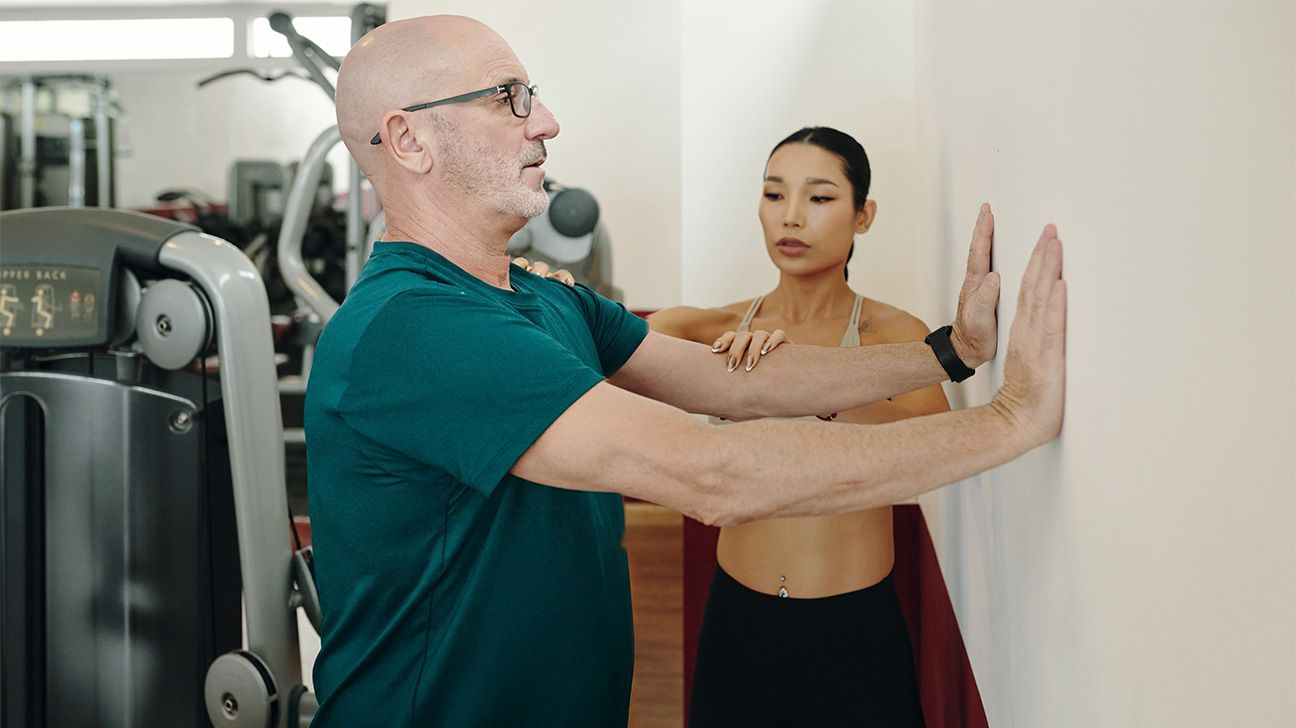
- Build muscle strength faster with eccentric exercises like lowering weights
- Reduce strain on joints and muscles while improving fitness
- Eccentric exercises benefit heart and brain health too
Eccentric exercises, often overlooked in fitness routines, may offer a more efficient way to build muscle strength with less physical strain. Unlike traditional concentric exercises—which involve muscle shortening movements like lifting weights or pushing upward—eccentric exercises focus on muscle lengthening, such as lowering a weight or walking downhill. Research suggests these movements generate up to 40% more force with less energy expenditure, making them ideal for older adults or those recovering from injury.
How Eccentric Exercises Work
Eccentric exercises work by emphasizing the controlled lengthening phase of a muscle contraction. For example, when performing a bicep curl, the concentric phase involves lifting the weight (shortening the muscle), while the eccentric phase occurs as you lower it (lengthening the muscle). Studies indicate that eccentric training can lead to greater muscle growth and strength gains compared to concentric exercises alone. This is partly because eccentric movements cause more microscopic damage to muscle fibers, which the body repairs and rebuilds stronger over time.
For less active individuals, eccentric exercises provide an accessible entry point into strength training. Movements like slow squat descents or controlled step-ups require minimal equipment and can be adapted to various fitness levels. Physical therapists often recommend eccentric exercises for rehabilitation due to their low-impact nature and ability to improve joint stability.
Beyond Muscles: Full-Body Benefits
While eccentric exercises are primarily associated with muscle growth, their benefits extend to cardiovascular and brain health. Research from the American Heart Association shows that eccentric training can improve heart function by reducing arterial stiffness and enhancing blood flow. Additionally, studies suggest that these exercises may support cognitive health by increasing blood flow to the brain and promoting neuroplasticity, the brain’s ability to adapt and form new connections.
Athletes, including runners and cyclists, can also leverage eccentric training to improve performance and reduce injury risk. Downhill running, for instance, engages eccentric contractions in the quadriceps, strengthening the muscles used during uphill climbs. Similarly, eccentric-focused weight training has been shown to enhance tendon resilience, which is critical for explosive sports movements.
Getting Started With Eccentric Training
Incorporating eccentric exercises into a routine requires attention to form to avoid injury. Beginners should start with bodyweight movements, such as slow, controlled squats or push-ups, where the lowering phase is emphasized. For those using weights, a spotter or resistance machine can help maintain control during the eccentric phase. Experts recommend performing 2-3 sets of 8-12 repetitions, with a focus on slow, deliberate movements.
For older adults or those with joint concerns, eccentric exercises can be modified to reduce impact. Seated leg extensions with a slow lowering phase or resistance band rows are low-impact options that still deliver strength benefits. Always consult a healthcare provider before starting a new exercise program, especially if recovering from an injury or managing a chronic condition.
The Future of Eccentric Training
As research continues to highlight the advantages of eccentric exercises, fitness programs and physical therapy protocols are increasingly incorporating these movements. Innovations in wearable technology and smart gym equipment now allow users to track eccentric phase performance, providing real-time feedback to optimize training. The growing body of evidence suggests that eccentric training could become a standard component of fitness and rehabilitation programs worldwide.
For now, eccentric exercises offer a simple yet powerful tool for anyone looking to build strength, improve mobility, or enhance overall health with less strain. Whether you’re a seasoned athlete or just starting your fitness journey, adding a few eccentric-focused movements to your routine could yield significant long-term benefits.
What You Need to Know
- Source: Healthline
- Published: May 16, 2026 at 12:27 UTC
- Category: Health
- Topics: #health · #wellness · #medicine · #war · #conflict · #exercise-can-help
Read the Full Story
This is a curated summary. For the complete article, original data, quotes and full analysis:
All reporting rights belong to the respective author(s) at Healthline. GlobalBR News summarizes publicly available content to help readers discover the most relevant global news.
Curated by GlobalBR News · May 16, 2026
Related Articles
- Why ‘Ballmaxxing’ May Be More Dangerous Than You Think
- Weight Loss Surgeries Decline as GLP-1 Use Skyrockets. Why This Matters
- Olympian Allyson Felix on Why Rest and Recovery Beat Hustle Culture
🇧🇷 Resumo em Português
Pesquisas recentes revelam que exercícios excêntricos — aqueles em que o músculo é alongado enquanto suporta peso, como ao abaixar um halter — podem construir músculos mais rápido e com menos esforço, além de beneficiarem o coração e o cérebro. O estudo, publicado em revista científica internacional, destaca que essa modalidade de treinamento, ainda pouco explorada no Brasil, oferece resultados superiores em comparação aos exercícios convencionais, como levantamentos ou flexões.
No contexto brasileiro, onde a busca por eficiência e saúde ganha cada vez mais espaço, a descoberta chega em boa hora. Especialistas afirmam que a prática pode ser especialmente útil para pessoas com limitações físicas, idosos ou aqueles que buscam reabilitação, já que reduz o impacto nas articulações. Além disso, a eficiência metabólica do método pode ser uma aliada no combate ao sedentarismo, um problema crescente no país. Para a população em geral, a novidade sugere que é possível obter ganhos musculares significativos sem longas horas na academia.
A próxima etapa, segundo os pesquisadores, é disseminar essa informação entre profissionais de educação física e fisioterapeutas, além de incentivar estudos locais para confirmar os benefícios em diferentes grupos populacionais.
🇪🇸 Resumen en Español
Un reciente estudio revela que ejercitarse de forma excéntrica, como al bajar pesas, puede ser hasta un 30% más eficiente para ganar fuerza y masa muscular con menos esfuerzo que los métodos tradicionales. La investigación, publicada en Frontiers in Physiology, subraya cómo este tipo de contracciones —donde el músculo se alarga bajo tensión— no solo optimiza el desarrollo muscular, sino que también beneficia al corazón y al cerebro con menor impacto articular.
Los hallazgos adquieren especial relevancia en el contexto actual, donde la eficiencia y la prevención de lesiones son clave para una población que envejece o busca rutinas sostenibles. Para los hispanohablantes, acostumbrados a gimnasios con alta intensidad, esta alternativa ofrece una opción menos demandante pero igualmente efectiva, ideal para quienes priorizan salud a largo plazo sin sacrificar resultados. Además, su aplicación en rehabilitación o en adultos mayores podría revolucionar el enfoque del entrenamiento funcional en países con envejecimiento poblacional acelerado, como España o México.
Healthline
Read full article at Healthline →This post is a curated summary. All rights belong to the original author(s) and Healthline.
Was this article helpful?


Discussion