Solar panels are coming to Scotland’s former coal mine museum to power it with clean energy.
- Install solar panels on colliery roofs to cut carbon emissions
- Project aims to save money on rising energy costs
- Historic Lady Victoria Colliery gets green makeover
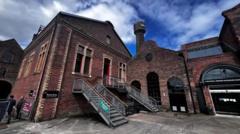
Scotland’s Lady Victoria Colliery, a former coal mine turned museum, is set to add solar panels to its buildings. The plan was announced by local officials after a public consultation in Newtongrange, a village just south of Edinburgh. If approved, the project will turn the historic site into a small-scale renewable energy hub. The colliery, which closed in 1981, now draws tourists as a museum showcasing Scotland’s mining past. But its old brick buildings aren’t exactly energy-efficient, and rising electricity prices have made the running costs a headache for the charity that runs it. Solar panels could cut those bills—and the site’s carbon footprint—by up to 40%, according to early estimates. That’s not just good for the planet. It keeps more of the museum’s budget for exhibits and staff instead of power bills. The project is still in the planning stage. Councilors will vote on it next month, and if they agree, installers could start work late this year. The panels wouldn’t be huge—a few dozen covering the roofs of the colliery’s main buildings—but they’d be visible from the road, a reminder that even old industrial sites can get a green makeover. The colliery’s trustees say they’re excited about the idea. “We’ve always tried to balance preserving history with modern needs,” said a spokeswoman. “This feels like the right step.” The museum already runs on a mix of grants and visitor donations, so every penny saved on electricity helps keep the doors open. If the pilot works, they might even expand it later. The colliery sits on about 20 acres, and there’s plenty of roof space they haven’t tapped yet. The project also fits a wider push in Scotland to repurpose old industrial sites. Scottish Power and other firms have installed solar or wind tech on former mines and factories before. It’s a way to keep the country’s green goals on track without building new plants on greenfield land. The plan isn’t without critics, though. Some locals worry the panels could spoil the site’s historic look. The trustees say they’ll work with heritage groups to make sure the design fits in. They’re also considering battery storage to keep the lights on when the sun isn’t shining—another cost-cutting move. If the council gives the green light, the panels could be up and running by early 2025. That’s not long to wait for a museum that’s been around since the 1980s. But for a place that’s seen coal, steel, and now sunshine, it might just be the next chapter.
What You Need to Know
- Source: BBC News
- Published: May 12, 2026 at 05:22 UTC
- Category: Environment
- Topics: #bbc · #environment · #climate · #energy · #sustainability · #renewable
Read the Full Story
This is a curated summary. For the complete article, original data, quotes and full analysis:
All reporting rights belong to the respective author(s) at BBC News. GlobalBR News summarizes publicly available content to help readers discover the most relevant global news.
Curated by GlobalBR News · May 12, 2026
Related Articles
🇧🇷 Resumo em Português
A Escócia inova mais uma vez no combate às mudanças climáticas ao anunciar a instalação de painéis solares em um museu histórico que já foi uma das maiores minas de carvão do país, a Lady Victoria Colliery, em Newtongrange. A iniciativa, voltada para reduzir emissões de carbono e cortar gastos energéticos, reforça a transição ecológica de uma região que outrora simbolizou a era fóssil da Revolução Industrial.
No Brasil, onde a matriz energética ainda depende fortemente de termelétricas a carvão e óleo, o exemplo escocês chega como um lembrete de que até mesmo locais carregados de história podem se reinventar como protagonistas da sustentabilidade. A notícia ganha ainda mais peso ao evidenciar como a energia solar, antes vista como inviável em áreas industriais degradadas, agora se mostra economicamente viável e ambientalmente necessária, especialmente em um cenário global de urgência climática. Para o público brasileiro, o caso escocês pode inspirar políticas públicas e projetos privados semelhantes, sobretudo em regiões mineradoras abandonadas do Sul e Sudeste, como o Vale do Aço em Minas Gerais.
A próxima etapa, segundo os responsáveis pelo projeto, é buscar financiamento e parcerias para viabilizar a instalação dos painéis ainda este ano, enquanto organizações ambientais pressionam para que mais países sigam o mesmo caminho.
BBC News
Read full article at BBC News →This post is a curated summary. All rights belong to the original author(s) and BBC News.
Was this article helpful?
Discussion