UN investigators confirm Russia holds over 20,000 abducted Ukrainian children in 'reeducation' programs violating international law.
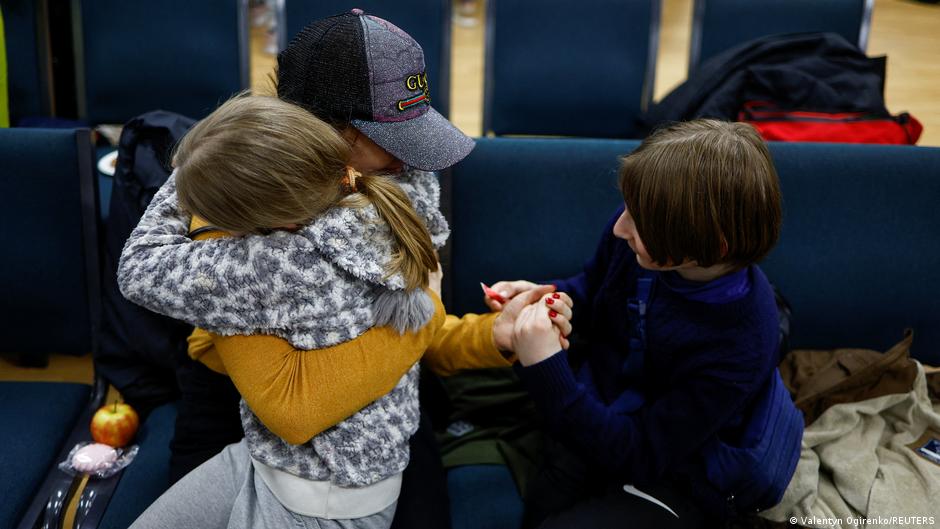
- UN commission confirms Russia systematically deported Ukrainian children
- At least 20,000 Ukrainian minors remain held in Russia
- Forced adoptions and military training violate international law
Russia has forcibly taken at least 20,000 Ukrainian children and placed them in state-run programs designed to erase their national identity, according to the United Nations. The Independent International Commission of Inquiry on Ukraine concluded in March that the systematic deportations and transfers constitute war crimes and crimes against humanity under international law. The commission also found Russian authorities have ‘unjustifiably delayed’ the return of these children, a violation of the Geneva Conventions and a separate war crime.
Bring Kids Back UA, a Ukrainian government-backed initiative led by President Volodymyr Zelenskyy, has documented 20,570 cases of abducted children. Project leader Maksym Maksymov told DW the actual number is likely much higher. ‘We only have verified data on these 20,570 children,’ Maksymov said. ‘The true scale is almost certainly far greater, but we lack complete records.’ Russian officials have indirectly confirmed the scale, reporting to the UN in 2023 that they had ‘received’ 744,000 children from Ukraine since the invasion began in 2022.
Ukrainian families fight for reunification amid Russian obstacles
The abductions began in occupied regions of Ukraine, where Russian forces systematically targeted orphanages, schools and residential areas. Children were removed under the guise of ‘evacuation’ or ‘temporary relocation,’ then placed in Russian foster care, adoption programs or military-style camps. Ukrainian authorities and human rights groups say many children are being indoctrinated into Russian culture, language and military ideologies. Some have been given Russian names and birth certificates, making repatriation legally complicated.
Russia has rejected accusations of war crimes, claiming the transfers are humanitarian efforts to protect children from the conflict. Kremlin spokesperson Dmitry Peskov has repeatedly denied systematic abductions, calling the claims ‘fake news.’ However, satellite imagery and survivor testimonies collected by the UN commission contradict these assertions, showing children being transported in convoys under military escort.
International response slow in securing children’s return
The UN commission’s report calls on the International Criminal Court to pursue criminal charges against Russian officials involved in the program. The ICC has already issued arrest warrants for Vladimir Putin and Maria Lvova-Belova, Russia’s children’s rights commissioner, for their roles in the abductions. Yet legal mechanisms remain weak, and no children have been returned under international pressure.
Bring Kids Back UA has secured the return of only a fraction of the abducted children. In April 2023, the initiative reunited one family after a two-year separation, but the process involved months of negotiations with Russian authorities and international mediators. Maksymov estimates fewer than 500 children have been repatriated so far. ‘Each case is a struggle,’ he said. ‘The bureaucracy is deliberately designed to obstruct our efforts.’
The broader implications extend beyond individual families. Psychologists warn that prolonged separation from biological parents and forced cultural assimilation will have lasting psychological and emotional effects on the children. The UN commission reported cases of children exhibiting signs of trauma, including severe anxiety, depression and dissociation from their Ukrainian heritage. Some older children have been sent to military training camps in Russia, where they receive basic combat training under the guise of ‘patriotic education.’
As Russia continues its war in Ukraine, the window for reuniting these children with their families grows narrower. International organizations are calling for urgent action, but legal barriers, lack of access to occupied territories and Russia’s refusal to cooperate have stalled progress. The question remains: How many of these children will ever make it home?
What You Need to Know
- Source: Deutsche Welle
- Published: May 11, 2026 at 22:07 UTC
- Category: World
- Topics: #europe · #world-news · #ukrainian · #russia · #russian
Read the Full Story
This is a curated summary. For the complete article, original data, quotes and full analysis:
All reporting rights belong to the respective author(s) at Deutsche Welle. GlobalBR News summarizes publicly available content to help readers discover the most relevant global news.
Curated by GlobalBR News · May 11, 2026
Related Articles
- Zimbabwe’s diaspora reshapes real estate and farming investment trends
- 🎉 250 Articles in World!
- Eurovision 2024 faces scrutiny over Israel’s participation amid war
🇧🇷 Resumo em Português
A guerra na Ucrânia atingiu um novo patamar de barbárie com a confirmação das Nações Unidas de que a Rússia sequestrou e “reeducou” pelo menos 20 mil crianças ucranianas, muitas delas ainda retidas no território russo sob ameaça de adoções forçadas. O relatório da ONU, baseado em investigações detalhadas, expõe um padrão sistemático de deportações que não apenas viola o direito internacional, mas também fere profundamente a integridade das famílias ucranianas separadas à força.
O caso ganha contornos ainda mais graves quando analisado sob a perspectiva brasileira, país que historicamente se posiciona em defesa dos direitos humanos e da soberania territorial. Para os falantes de português, a notícia reforça a urgência de uma resposta coordenada da comunidade internacional, incluindo o Brasil, que já manifestou preocupação em fóruns multilaterais. A situação das crianças ucranianas sequestradas não é apenas um crime de guerra, mas um ataque direto à identidade cultural e à dignidade de um povo, o que exige pressão diplomática e sanções efetivas contra Moscou.
A próxima etapa deve envolver ações concretas da Corte Penal Internacional, que já emitiu mandados de prisão contra líderes russos, mas a impunidade ainda persiste, exigindo mobilização contínua da sociedade civil e dos governos para garantir o retorno dessas crianças às suas famílias e à Ucrânia.
🇪🇸 Resumen en Español
Un informe de la ONU denuncia que Rusia ha secuestrado y “reeducado” a más de 20.000 menores ucranianos, muchos de ellos retenidos en territorio ruso bajo amenaza de adopciones forzosas.
La investigación de la ONU confirma un patrón sistemático de deportaciones ilegales y manipulación psicológica por parte de las autoridades rusas, violando el derecho internacional. Para la comunidad hispanohablante, este caso recuerda a crímenes de guerra ya documentados —como los perpetrados durante conflictos en los Balcanes—, lo que subraya la impunidad con la que actúan ciertos regímenes. Además, plantea preguntas urgentes sobre el papel de la diplomacia global en conflictos donde los más vulnerables, como los niños, son usados como arma de presión política. La comunidad internacional, incluyendo a España y Latinoamérica, enfrenta ahora el reto de exigir justicia y evitar que este tipo de atrocidades queden impunes.
Deutsche Welle
Read full article at Deutsche Welle →This post is a curated summary. All rights belong to the original author(s) and Deutsche Welle.
Was this article helpful?


Discussion