BioNTech cuts 1,860 jobs and shuts plants after €532M loss as its COVID vaccine demand collapses.
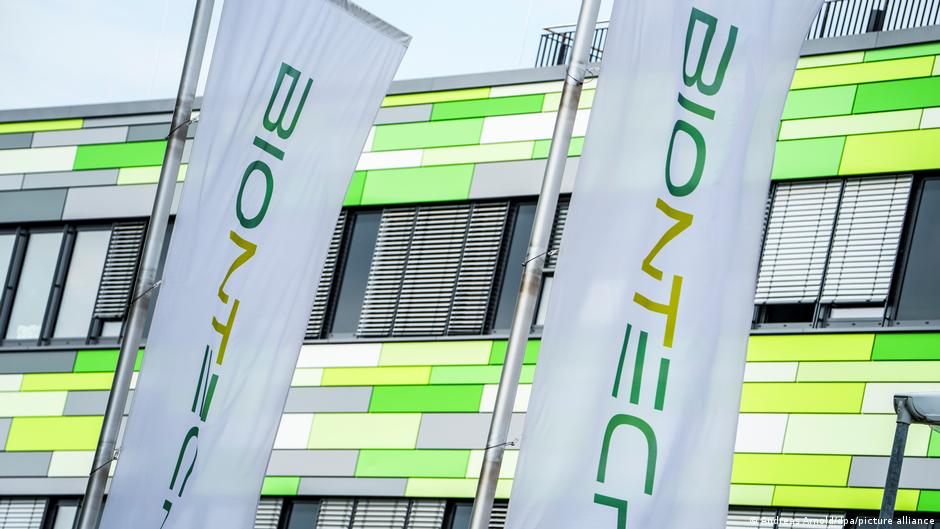
- BioNTech lost €532M in one quarter after COVID vaccine sales plummeted
- Company is closing plants in Germany and Singapore to cut costs
- Founders Ugur Sahin and Özlem Türeci are leaving BioNTech
BioNTech’s rapid rise during the pandemic looks increasingly like a temporary high. The Mainz-based biotech firm, which shot to global fame in 2020 for its groundbreaking mRNA vaccine developed with Pfizer, is now in survival mode. On Tuesday, it announced it would close its production sites in Mainz, Germany, and Singapore, eliminate 1,860 jobs, and brace for the exits of its most visible leaders, co-founders Ugur Sahin and Özlem Türeci. The moves follow a €532 million ($627 million) net loss in the first quarter of 2026, a stark reversal from the blockbuster profits it racked up during the pandemic’s peak.
The company’s troubles stem from a brutal collapse in demand for its COVID vaccine, Comirnaty. Once a household name, the vaccine generated billions in revenue and was credited with saving millions of lives. But as the pandemic’s urgency faded, so did orders. Governments stockpiled doses they no longer needed, and vaccine hesitancy in some regions further eroded sales. BioNTech’s 2025 annual report shows revenue from Comirnaty dropped by over 80% compared to 2021, when it brought in €18.9 billion.
BioNTech’s bet on cancer treatments now its only hope
BioNTech isn’t folding, but it’s betting everything on a risky gamble: turning its mRNA technology into a treatment for cancer. The company has spent years developing personalized cancer vaccines that train the immune system to attack tumors. In late 2025, it launched a late-stage trial for an mRNA-based melanoma vaccine, with results expected in 2027. If successful, it could redefine cancer care. But the timeline is long, the science is unproven at scale, and the company’s cash burn is accelerating.
The financial strain is forcing BioNTech to slash jobs and shutter plants. The Mainz headquarters, once a symbol of German biotech innovation, will see significant cutbacks. The Singapore plant, opened in 2021 to expand production, will close by 2027. Employees received notices this week, though BioNTech says it will try to place some workers in other roles. The company’s remaining pipeline—beyond COVID and cancer—includes experimental flu and RSV vaccines, but none are close to market.
Founders’ departure adds to the uncertainty
Ugur Sahin and Özlem Türeci, the husband-and-wife duo who founded BioNTech in 2008, are stepping down from their executive roles. Sahin, BioNTech’s CEO, will leave by the end of 2026, while Türeci, the company’s chief medical officer, will depart earlier. Both will remain on the board in advisory roles. Their exit marks the end of an era for a company that became synonymous with mRNA innovation. Sahin, a trained oncologist, and Türeci, a cancer researcher, built BioNTech from a small startup into a global player focused almost entirely on mRNA—first for cancer, then for COVID.
The founders’ departure raises questions about BioNTech’s identity going forward. Without their leadership, the company must prove it can pivot from a pandemic hero to a sustainable biotech giant. Analysts say the next 12–18 months will be critical. If the cancer vaccine trial fails or gets delayed, BioNTech could struggle to secure funding or partnerships. Competitors like Moderna and Pfizer are also racing to dominate mRNA-based cancer treatments.
What happens now for BioNTech and its workers
BioNTech says it’s committed to its cancer research but warns that the next few quarters will be tough. The company plans to focus its remaining resources on its most promising projects, including the melanoma vaccine and a partnership with Genentech to develop mRNA-based treatments for other cancers. It’s also exploring partnerships to license its mRNA platform to other firms, a move that could generate revenue without heavy upfront investment.
For the 1,860 workers facing job cuts, the news is devastating. Many were hired during the pandemic boom and have seen their roles shrink along with the company’s fortunes. BioNTech says it will offer severance packages and career transition support, but the job market for biotech workers in Germany is already competitive. Some may find new roles at competitors like BioNTech’s former partner Pfizer, or at other German pharma firms like Bayer or Boehringer Ingelheim.
The broader question is whether BioNTech’s story will end as a cautionary tale or a comeback. The company proved mRNA vaccines could work during a crisis, but now it must prove they can work in peacetime—specifically for cancer, where the science is far more complex. If it fails, it risks becoming a footnote in the history of medicine, remembered only for the vaccine that briefly changed the world.
What You Need to Know
- Source: Deutsche Welle
- Published: May 06, 2026 at 14:42 UTC
- Category: World
- Topics: #europe · #world-news · #health · #vaccine · #medicine
Read the Full Story
This is a curated summary. For the complete article, original data, quotes and full analysis:
All reporting rights belong to the respective author(s) at Deutsche Welle. GlobalBR News summarizes publicly available content to help readers discover the most relevant global news.
Curated by GlobalBR News · May 06, 2026
Related Articles
- Czech beer consumption drops sharply as young drink less
- 🎉 500 Articles in World!
- 🎉 250 Articles in World!
🇧🇷 Resumo em Português
A BioNTech, empresa alemã que revolucionou a luta contra a Covid-19 com a primeira vacina de RNA mensageiro, enfrenta agora uma crise: anunciou um prejuízo de €532 milhões no último trimestre e vai demitir 1.860 funcionários, fechando metade de suas fábricas nos Estados Unidos. A virada de página, no entanto, não é apenas recessão: a companhia aposta alto em uma nova aposta — os testes clínicos de uma vacina contra o câncer, que já mostram resultados promissores.
O impacto dessa decisão não se limita à Alemanha ou ao setor farmacêutico europeu: afeta diretamente o Brasil, que depende de parcerias como a da Pfizer-BioNTech para sua campanha de imunização contra a Covid-19. Com a redução da produção global, a oferta de doses pode ser comprometida, justamente quando o país ainda enfrenta desafios em estoques e campanhas de reforço. Além disso, o caso levanta questões sobre o futuro dos investimentos em saúde pública: se a BioNTech priorizar o câncer, sobra espaço para dúvidas sobre o financiamento de outras doenças emergentes.
O desfecho dessa transição — se os testes contra o câncer vão realmente se tornar um sucesso comercial — definirá não só o futuro da BioNTech, mas também o acesso global a novas tecnologias médicas.
🇪🇸 Resumen en Español
La empresa alemana BioNTech, pionera en la vacuna contra el COVID-19 basada en ARNm, afronta un revés económico histórico con un recorte de 1.860 empleos y una pérdida de 532 millones de euros, lo que obliga a replantear su futuro más allá de la pandemia. La compañía, que saltó a la fama global por su alianza con Pfizer, reduce su plantilla ante la caída de la demanda de inyecciones y apuesta todo a su nueva línea de investigación oncológica, donde espera encontrar su próximo gran éxito.
El giro estratégico de BioNTech refleja los desafíos de un sector biotecnológico que, tras el bum de las vacunas, enfrenta una realidad más competitiva y menos rentable. Para los hispanohablantes, este caso ilustra cómo las empresas líderes en salud global deben adaptarse a ritmos de financiación más lentos y a mercados en constante cambio, especialmente en un continente, como el europeo, donde la inversión en innovación biomédica sigue siendo clave pero también arriesgada. La apuesta por la inmunoterapia contra el cáncer podría marcar el camino, aunque el camino hacia la recuperación será largo y lleno de incertidumbres.
Deutsche Welle
Read full article at Deutsche Welle →This post is a curated summary. All rights belong to the original author(s) and Deutsche Welle.
Was this article helpful?



Discussion