Russia could disrupt Baltic and Black Sea shipping by driving up insurance costs, mimicking Iran’s post-strike Strait of Hormuz slowdown.
- Iran cut Hormuz tanker traffic using drone strikes and insurance pricing in 2024
- Russia’s Baltic and Black Sea strategy could mirror Iran’s playbook
- Insurance markets, not ships or mines, shut down Hormuz after strikes
On February 28, 2024, U.S. and Israeli strikes on Iran triggered an immediate collapse in maritime traffic through the Strait of Hormuz, one of the world’s most critical oil chokepoints. Lloyd’s List, the shipping industry’s authoritative journal, reported that 56 tankers had passed through the strait the day before the strikes. Within 48 hours, only eight vessels remained—seven tankers and one gas carrier—most of them small or part of the shadow fleet, with hundreds more vessels stranded in the Gulf of Oman. The strait was not mined, blockaded, or seized by a navy. Instead, it was priced shut by a surge in insurance premiums following a handful of drone strikes and escalating regional tensions.
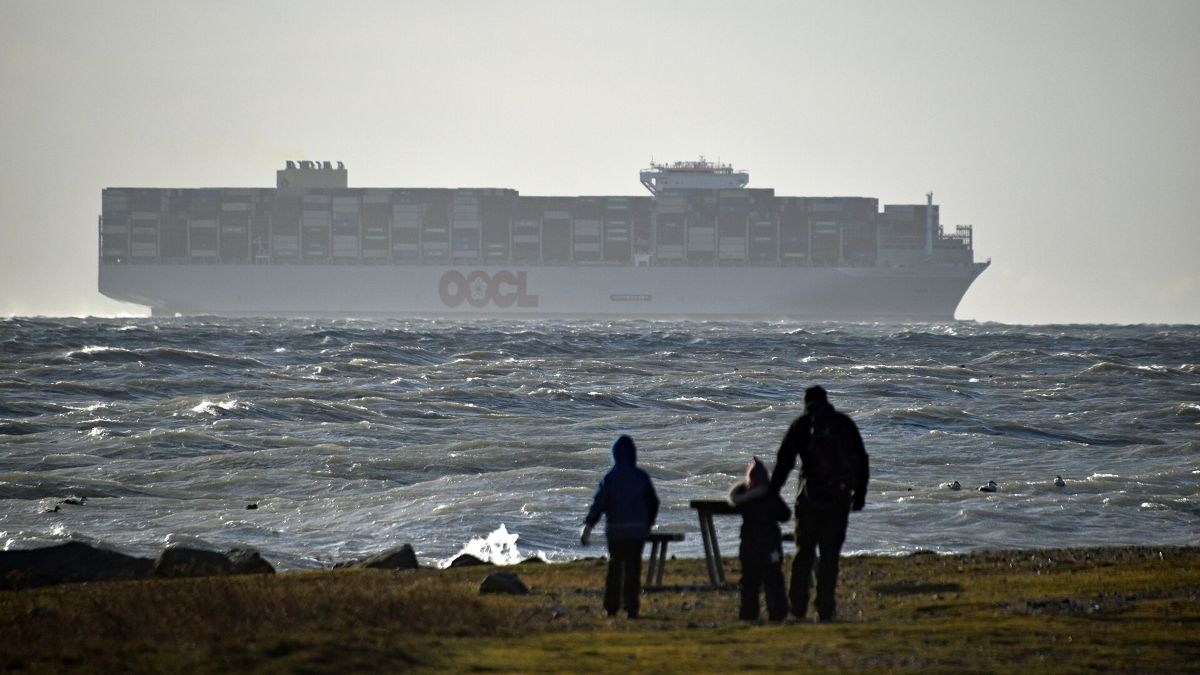
The rapid shutdown of global oil artery traffic without a single naval vessel involved has raised a critical question: Could Russia adopt the same ‘Hormuz playbook’ in the Baltic and Black Seas to target NATO supply lines and energy exports? The Baltic Sea, a key route for Finnish, Swedish, and Baltic states’ trade, and the Black Sea, a vital corridor for Ukrainian grain and Romanian oil, are both geographically constrained and strategically sensitive. Both are also within range of Russian missile and drone systems, as well as Moscow’s growing fleet of electronic warfare and cyber tools.
How Iran Shut the Strait Without a Shot
Analysis by maritime security experts shows that Iran’s approach relied on two low-cost components: precision drone strikes on small but symbolic targets and a coordinated push by regional insurers to reclassify the strait as a high-risk zone. Insurance premiums for vessels transiting the strait surged from under $10,000 per voyage to over $150,000 within days. For many shipowners, the cost became prohibitive. The shadow fleet—vessels operating outside international insurance—picked up some traffic, but even those vessels faced delays and heightened scrutiny at ports.
The economic impact was immediate. Oil prices spiked briefly before stabilizing, but the message was clear: Iran had demonstrated a new form of maritime leverage. Unlike traditional blockades, this method required no naval blockade ships, no mines, and no risk of direct military confrontation with the U.S. or its allies. Instead, it weaponized market psychology and risk perception—a tactic that requires no permanent physical presence and leaves little forensic evidence.
Russia’s Strategic Opportunity in Northern and Southern Europe
Russia has already demonstrated the ability to disrupt shipping in the Black Sea through missile strikes, drone attacks, and naval blockades targeting Ukraine. But the Hormuz model suggests a subtler, more scalable approach. In the Baltic Sea, Russia could exploit insurance markets, cyber threats, and disinformation campaigns to deter NATO shipping. The region’s dense minefields from World War II and the presence of Russian submarines and surface vessels already create a baseline of risk. A series of well-timed drone strikes on key infrastructure—ports, refineries, or even undersea cables—could trigger insurers to reclassify Baltic routes as high-risk, sharply increasing costs for commercial vessels.
In the Black Sea, Russia could escalate beyond blockades. By combining missile strikes on Ukrainian port infrastructure with coordinated insurance warnings, Moscow could make the sea uninsurable for commercial vessels not tied to Russian-controlled entities. Already, insurers have reduced coverage for ships calling at Ukrainian ports. If Russia can link perceived risk to specific incidents—even if unverified—insurers may broaden exclusions, mirroring the Hormuz effect.
The Role of Shadow Fleets and Insurance Markets
The rise of ‘shadow fleets’—vessels operating outside standard insurance and regulatory frameworks—has been a defining feature of the Russia-Ukraine war. These ships, often older tankers with opaque ownership, have absorbed much of the trade shunned by mainstream operators. While they provide a lifeline for some exports, they also complicate enforcement and increase environmental and safety risks. If Russia successfully drives up insurance costs in the Baltic and Black Seas, the shadow fleet could expand, but at a cost: slower transits, higher scrutiny, and greater vulnerability to sanctions or interdiction.
Insurance industry sources indicate that underwriters are already recalibrating risk models in response to recent geopolitical events. The Lloyd’s Market Association, which sets standard war risk premiums, has issued multiple advisories on the Black Sea and Baltic routes in 2024, reflecting growing unease. Such shifts can occur rapidly, especially when major reinsurers signal a willingness to restrict coverage.
What Happens Next? A New Era of Economic Maritime Warfare
The Hormuz episode has rewritten the rules of maritime disruption. It proves that a state does not need a navy to close a global chokepoint; it needs only the ability to create sufficient uncertainty to spook insurers and ship owners. For NATO, this presents a dilemma: how to protect commercial shipping in high-risk zones without triggering a spiral of escalation. Deterrence may now depend as much on economic signaling as on military posture.
Russia, observing Iran’s playbook, could accelerate its own economic warfare tactics. The Baltic and Black Seas offer fertile ground: both are semi-enclosed, heavily trafficked, and politically tense. A few well-placed incidents—genuine or fabricated—could be enough to redraw global shipping lanes overnight. The result would be higher costs for Europe, greater leverage for Moscow, and a new normal in which insurance, not navies, dictates the flow of trade.
For policymakers, the lesson is clear: the next major maritime crisis may not look like a blockade. It may look like a spreadsheet. And the battlefield could be a boardroom in London or New York, not a warship in the Baltic Sea.
What You Need to Know
- Source: War on the Rocks
- Published: May 08, 2026 at 07:15 UTC
- Category: War
- Topics: #defense · #military · #geopolitics · #war · #conflict · #could-russia-follow
Read the Full Story
This is a curated summary. For the complete article, original data, quotes and full analysis:
All reporting rights belong to the respective author(s) at War on the Rocks. GlobalBR News summarizes publicly available content to help readers discover the most relevant global news.
Curated by GlobalBR News · May 08, 2026
Related Articles
🇧🇷 Resumo em Português
Navios russos mapeiam rotas estratégicas no Báltico e Mar Negro enquanto tensões globais reacendem o medo de um “Hormuz do Norte”
A hipótese de que Moscou possa repetir no Báltico e no Mar Negro a estratégia usada pelo Irã no Estreito de Ormuz — reduzindo drasticamente o fluxo de navios-tanque — ganha força após a escalada de tensões entre Rússia e Ocidente. Com a guerra na Ucrânia já impactando rotas comerciais e energéticas, a possibilidade de um bloqueio seletivo ou de ameaças à livre navegação nessas águas coloca em xeque não só a segurança marítima europeia, mas também os interesses brasileiros no comércio exterior.
O contexto é alarmante: o Báltico abriga portos vitais como os de São Petersburgo (Rússia) e Roterdã (Holanda), enquanto o Mar Negro é rota de escoamento de grãos ucranianos e russos, essenciais para a alimentação global. Para o Brasil, que exporta commodities como soja e minério de ferro por vias marítimas, qualquer instabilidade nesses corredores afeta diretamente os fretes e preços. Além disso, a aproximação entre Rússia e países como Irã e China — que recentemente firmaram acordos para contornar sanções ocidentais — sugere uma coordenação cada vez mais ousada no controle de rotas estratégicas, algo que o Brasil monitora de perto em meio à sua política externa de não alinhamento.
Se a Rússia concretizar essa estratégia, o mundo assistiria a um novo capítulo de guerra econômica no mar, com repercussões imediatas para os preços do petróleo e alimentos — e o Brasil, como grande player do agronegócio global, não estaria imune.
🇪🇸 Resumen en Español
El pasado mes, los ataques estadounidenses e israelíes contra Irán dejaron una huella imborrable en el tráfico marítimo del Estrecho de Ormuz, donde los cargueros cayeron de 56 a solo siete en dos días. La pregunta que ahora inquieta a expertos en geopolítica y rutas energéticas es si Moscú podría replicar esa misma estrategia de bloqueo en los mares Báltico y Negro, cerrando el paso a buques clave para Europa.
El precedente de Ormuz, donde Irán respondió a las sanciones con acciones indirectas, demuestra cómo un conflicto local puede desestabilizar rutas globales. En el caso de Rusia, con bases en Crimea y Kaliningrado, ya ha mostrado su capacidad para restringir el acceso a puertos estratégicos, como ocurrió con la invasión de Ucrania. Para los países hispanohablantes, especialmente España y Latinoamérica, que dependen del comercio marítimo con Europa del Este, un escenario similar supondría un golpe a las cadenas de suministro y un aumento de precios en productos básicos. Además, reforzaría la dependencia energética de regiones como el norte de África, donde España actúa como puente entre Europa y Latinoamérica.
War on the Rocks
Read full article at War on the Rocks →This post is a curated summary. All rights belong to the original author(s) and War on the Rocks.
Was this article helpful?


Discussion