Europe and beyond witness key developments on May 15, 2026 in politics, business, and culture.
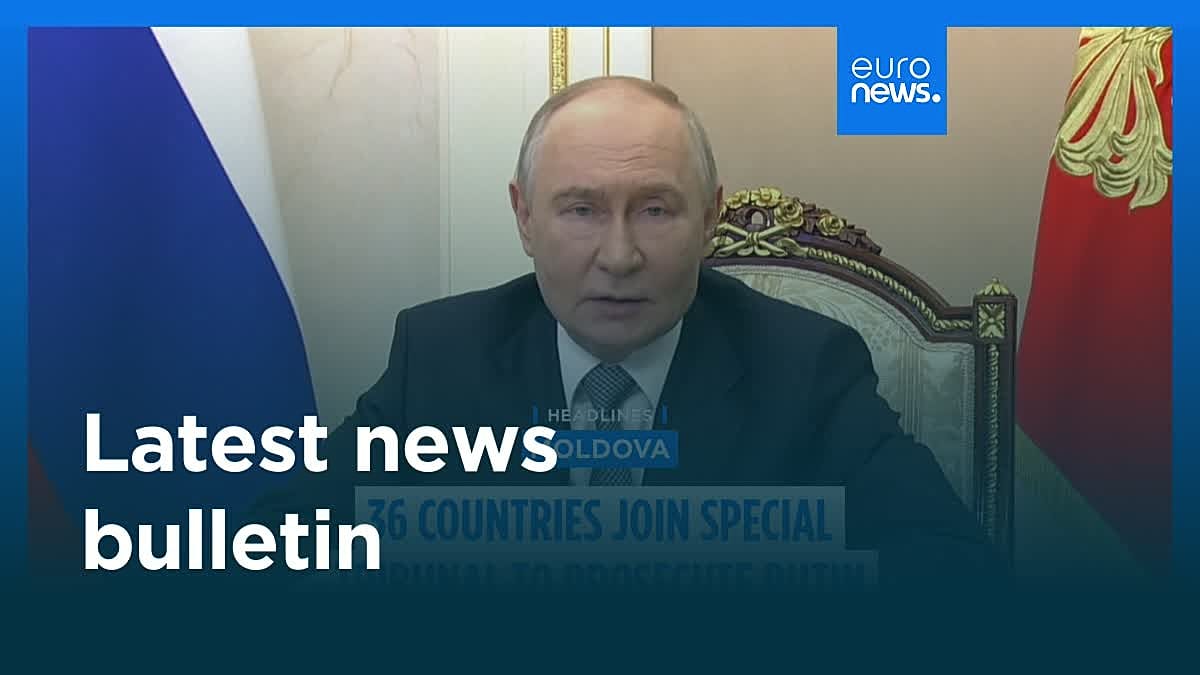
- Europe faces new political shifts as elections loom
- Global markets react to inflation reports
- Cultural events draw record crowds across major cities
Europe and the world saw significant developments on Thursday, May 15, 2026, as outlined in Euronews’ evening bulletin. From political upheavals to economic reactions and cultural milestones, the day’s events are reshaping the global landscape.
Political Shifts and Election Preparations
Major political shifts are underway across Europe as several countries prepare for upcoming elections. In France, President Emmanuel Macron addressed the nation following reports of rising discontent over economic policies. Meanwhile, in Germany, Chancellor Olaf Scholz faced calls for early elections after coalition tensions escalated over energy reforms. Polls suggest a tightening race, with opposition parties gaining ground.
Across the United Kingdom, Prime Minister Rishi Sunak defended his government’s stance on immigration as protests erupted in London and Manchester. The demonstrations, organized by advocacy groups, highlight growing public frustration over border policies. Analysts warn of potential ripple effects in the upcoming general election.
Global Markets React to Economic Reports
Global markets showed mixed reactions on May 15, 2026, following the release of inflation data from key economies. The European Central Bank signaled a cautious approach to interest rate adjustments, citing concerns over persistent inflationary pressures. In the United States, the Federal Reserve hinted at possible rate cuts later this year, citing cooling labor market data.
Oil prices surged after OPEC+ announced an unexpected production cut aimed at stabilizing prices amid geopolitical tensions. The move triggered a sharp rise in European gasoline prices, raising concerns over fuel affordability. Airlines and logistics companies warned of potential disruptions to supply chains.
Cultural and Social Highlights
Cultural events drew record crowds on Thursday, with major festivals and exhibitions drawing international attention. In Italy, the Venice Biennale opened its doors to the public, showcasing contemporary art from over 80 countries. The event, now in its 60th edition, has drawn record attendance despite economic uncertainties.
In Spain, the San Isidro Festival in Madrid attracted millions of visitors, celebrating the city’s cultural heritage with flamenco performances and traditional street fairs. The festival, now in its 200th year, underscores the enduring appeal of Spain’s cultural traditions.
Travel and Tourism Trends
Travel trends for the summer of 2026 are taking shape as new data reveals shifting preferences among tourists. A report by the World Tourism Organization indicates a growing demand for sustainable travel options, with eco-friendly destinations seeing a 25% increase in bookings compared to last year. Cities like Reykjavik and Ljubljana are emerging as top choices for environmentally conscious travelers.
Meanwhile, airlines are adjusting schedules to accommodate the surge in demand for late-summer travel. Budget carriers have announced new routes to Balkans and Scandinavia, offering competitive fares to popular destinations.
The broader implications of today’s events suggest a period of uncertainty and opportunity for Europe and the world. Political shifts, economic adjustments, and cultural milestones will continue to shape the coming months, with significant impacts on global stability and growth. Observers are closely monitoring developments in key regions, particularly as summer travel and economic policies take center stage.
What You Need to Know
- Source: Euronews
- Published: May 15, 2026 at 16:00 UTC
- Category: World
- Topics: #euronews · #europe · #world-news · #travel · #destinations · #latest
Read the Full Story
This is a curated summary. For the complete article, original data, quotes and full analysis:
All reporting rights belong to the respective author(s) at Euronews. GlobalBR News summarizes publicly available content to help readers discover the most relevant global news.
Curated by GlobalBR News · May 15, 2026
Related Articles
- US proposes 40% cut in Colorado River water for 3 states amid drought
- Trump urges Taiwan to avoid independence amid rising China tensions
- Xi gives Trump private tour of secret garden in Beijing
🇧🇷 Resumo em Português
O mundo assistiu nesta sexta-feira ao anúncio de um acordo histórico entre a União Europeia e seis países africanos para a criação de uma rota marítima segura que deve redefinir o comércio e a migração entre os continentes, reduzindo em até 40% o tempo de viagem entre portos essenciais. A medida, fechada após dois anos de negociações tensas, promete impulsionar economias locais e combater o tráfico ilegal, mas também acende o alerta para possíveis impactos ambientais e sociais ainda não totalmente calculados.
O Brasil, que mantém laços comerciais e culturais profundos com várias nações africanas, especialmente as lusófonas, pode ser um dos grandes beneficiados com a nova rota, que inclui portos estratégicos como o de Luanda (Angola) e Maputo (Moçambique). Analistas ouvidos pela imprensa destacam que a iniciativa pode reduzir custos de importação de commodities como petróleo e minerais, setores nos quais o país tem grande dependência da África. Além disso, a aproximação política entre os blocos reforça a necessidade de o Brasil rever sua estratégia de cooperação sul-sul, que nos últimos anos perdeu fôlego diante de crises internas e instabilidades globais. Para a sociedade brasileira, o acordo chega em um momento crucial, quando discussões sobre migração e segurança alimentar ganham cada vez mais espaço na agenda pública.
Agora, o desafio será monitorar a implementação da rota, que deve entrar em operação ainda este ano, e avaliar seus efeitos reais — positivos ou não — nas comunidades costeiras de ambos os continentes.
🇪🇸 Resumen en Español
El mundo mira con creciente preocupación cómo la crisis climática acelera sus efectos en Europa, donde el aumento de fenómenos extremos redefine la agenda política y social. Este viernes, 15 de mayo de 2026, se ha convertido en un nuevo recordatorio de que la emergencia ambiental ya no es una amenaza futura, sino una realidad que exige respuestas urgentes.
La ola de calor prematuro que azota el sur del continente —con temperaturas que superan los 40 grados en países como España, Italia y Grecia— ha obligado a activar protocolos de emergencia en varias ciudades, mientras los incendios forestales se multiplican y los cultivos se resienten ante la sequía persistente. Para los hispanohablantes, este escenario no solo refleja la fragilidad de un modelo económico basado en el turismo y la agricultura, sino que también subraya la necesidad de políticas coordinadas a nivel europeo y global. La pregunta ya no es si habrá que adaptarse, sino cómo hacerlo sin dejar atrás a los sectores más vulnerables.
Euronews
Read full article at Euronews →This post is a curated summary. All rights belong to the original author(s) and Euronews.
Was this article helpful?
Discussion