London mayor says snubbing the capital in a potential 2040s Olympics bid wastes Britain’s best sporting infrastructure.
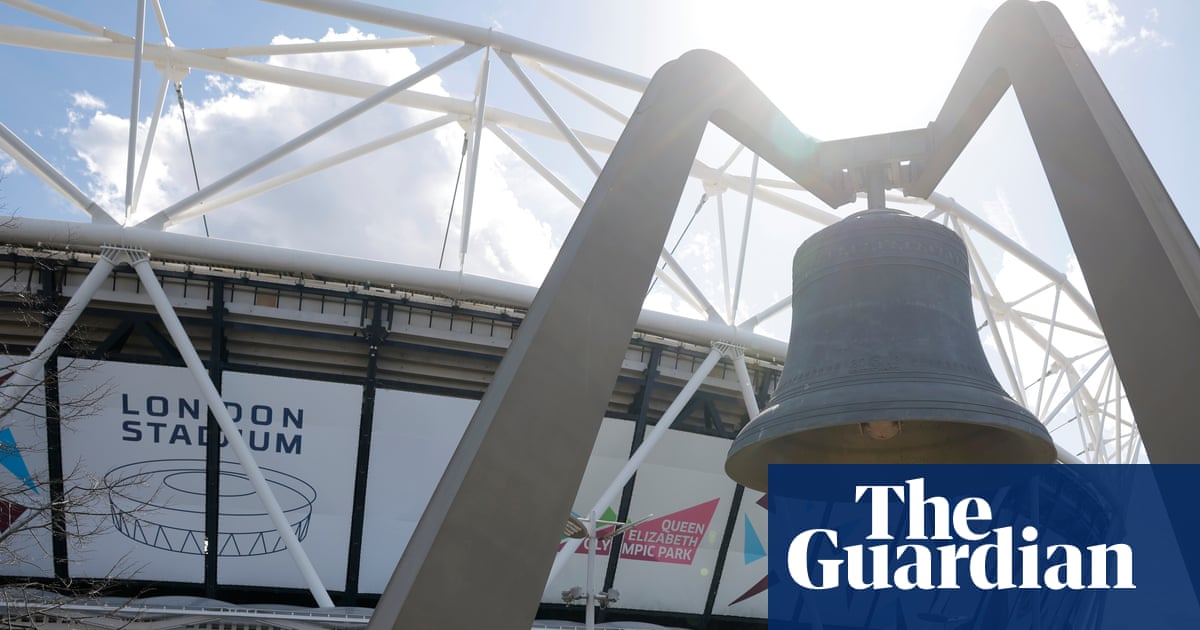
- London mayor says excluding capital in Olympics bid is a missed chance.
- Government explores north-only bid for 2040s Olympics.
- UK Sport assessing feasibility of a Games without London.
London mayor Sadiq Khan fired a warning shot at the government’s plan to explore a 2040s Olympics bid for northern England, saying it would pass up the capital’s world-class venues and infrastructure. Khan, who has led London since 2016, called the proposal a “missed opportunity” in a statement released Monday, noting that Britain’s sporting assets are still in top shape nearly 15 years after hosting the 2012 Games. The mayor pointed to London’s Olympic Park in Stratford, the Aquatics Centre, and the velodrome as examples of venues that could still deliver high-level competition. “We’ve got the infrastructure, the experience, and the venues,” Khan said. “It doesn’t make sense to leave London out of the conversation entirely.” His remarks come as the government quietly commissions UK Sport to assess the feasibility of a bid that would stretch from Manchester to Liverpool, with Leeds and Newcastle also in the mix. A UK Sport spokesperson confirmed they’re reviewing potential locations, timing, and economic impact, but no formal bid has been approved yet. If it goes ahead, this would be the first time Britain hosted the Olympics outside London since 1948, when the Games were held in Wembley Stadium during post-war austerity. That event saw American athletes dominate, including a 17-year-old Bob Mathias winning decathlon gold in front of a half-empty stadium. Today’s sporting landscape is far different, with Britain ranking among the top nations in Olympic medal tables and its cities boasting stadiums built or upgraded for major events like the 2015 Rugby World Cup and the 2017 IAAF World Championships. ## Sadiq Khan argues London’s venues still have years of use left Khan isn’t just talking about empty stadiums—he’s talking about venues that still host big events. The London Stadium, now home to West Ham United, has drawn crowds for Premier League football, athletics, and concerts since 2016. The Copper Box Arena in the Olympic Park hosts handball, fencing, and goalball during Paralympic cycles, while the Lee Valley VeloPark is a training hub for British Cycling. Khan’s push isn’t just about pride; it’s about economics. A 2023 study by the Greater London Authority estimated that London’s Olympic venues generate £350 million annually in tourism, events, and commercial activity. Excluding these assets from a future bid could mean missing out on that economic engine, especially as cities like Birmingham and Glasgow push to host major sporting events. The government hasn’t officially ruled out a London bid, but the focus so far is on northern cities. UK Sport’s assessment, expected by early 2025, will weigh costs, transport links, and legacy plans. A bid would need private funding and cross-party support, with early estimates suggesting a price tag of £8-10 billion—roughly double what London spent in 2012 after inflation. ## Critics say northern bid could split resources and dilute impact Some sports leaders argue that splitting focus between London and the north could weaken both bids. “You can’t just move the Olympics like a football club,” said Lord Sebastian Coe, former Olympic champion and current president of World Athletics. “The infrastructure, the workforce, the fanbase—it’s all concentrated in London. Trying to replicate that in Manchester or Leeds would take a decade of planning.” Others point to successful models abroad, like the 2024 Paris Olympics, which uses existing venues across the city and its suburbs without building new stadiums from scratch. Paris also leveraged its compact size and strong rail network to cut costs. Proponents of the northern bid counter that spreading the Games could boost regional pride and investment. Manchester, which co-hosted the 2002 Commonwealth Games, already has a track record of delivering major events on time and under budget. The city’s velodrome, built for the Games, remains a training base for British cyclists, while the Etihad Campus hosts football and athletics. Still, questions linger about transport. While London’s Tube and Elizabeth Line move millions daily, cities like Leeds and Newcastle rely more on buses and trams, raising concerns about whether they could handle Olympic-scale crowds. The debate isn’t just about sports—it’s about identity. The 2012 London Olympics were seen as a unifying moment for post-financial crisis Britain, a chance to show the world the country could still pull off a global event. A northern bid would signal a different kind of ambition: rebalancing the economy and putting cities outside the capital on the world stage. But Khan’s warning suggests that ambition can’t come at the cost of ignoring what already works. The next few months will show whether the government listens.
What You Need to Know
- Source: The Guardian
- Published: May 17, 2026 at 17:24 UTC
- Category: World
- Topics: #guardian · #world-news · #international · #sports · #olympics · #london
Read the Full Story
This is a curated summary. For the complete article, original data, quotes and full analysis:
All reporting rights belong to the respective author(s) at The Guardian. GlobalBR News summarizes publicly available content to help readers discover the most relevant global news.
Curated by GlobalBR News · May 17, 2026
Related Articles
- Czech beer consumption drops sharply as young drink less
- 🎉 500 Articles in World!
- 🎉 250 Articles in World!
🇧🇷 Resumo em Português
O prefeito de Londres, Sadiq Khan, acaba de soar o alerta: a capital britânica não pode ficar de fora de uma eventual candidatura para sediar os Jogos Olímpicos de 2040, sob risco de desperdiçar uma oportunidade única de aproveitar a estrutura esportiva de ponta construída desde 2012. A declaração, feita em tom de urgência, coloca em xeque não apenas a estratégia da Grã-Bretanha, mas também a lógica de excluir cidades-sedes que já concentram o legado de megaeventos anteriores, como o Parque Olímpico de Londres.
O posicionamento de Khan ganha relevância quando se considera o Brasil, que há menos de uma década sediou dois dos maiores eventos esportivos do mundo, a Copa do Mundo de 2014 e os Jogos Olímpicos de 2016. Com instalações como o Estádio do Maracanã e o Parque Olímpico do Rio de Janeiro ainda subutilizadas ou em busca de novos usos, o país compreende como é crucial manter a infraestrutura viva e economicamente ativa. A crítica do prefeito londrino ressoa aqui: ignorar o potencial de cidades que já têm a experiência e a capacidade logística de sediar grandes eventos é, no mínimo, um tiro no pé. Para o Brasil, que ainda debate como reerguer seus equipamentos esportivos após a pandemia e a crise econômica, a discussão sobre a inclusão de metrópoles como Londres em futuras edições olímpicas serve como um lembrete de que o legado dos megaeventos precisa ser gerido com visão de longo prazo.
A polêmica deve acirrar o debate sobre quem realmente deve liderar as candidaturas olímpicas nas próximas décadas.
🇪🇸 Resumen en Español
El alcalde de Londres, Sadiq Khan, ha arremetido contra la propuesta de presentar una candidatura olímpica para 2040 que excluya a la capital británica, tachándola de “oportunidad perdida” para aprovechar la infraestructura deportiva más avanzada del país desde los Juegos de 2012.
La polémica surge en un momento en que el Reino Unido evalúa cómo reactivar el legado olímpico tras décadas de inversiones millonarias, mientras otras ciudades europeas ya estudian sus propios proyectos. Khan argumenta que Londres, con sus instalaciones modernas y experiencia en eventos globales, debería ser el escenario natural, pero la decisión podría reabrir el debate sobre la distribución de recursos y el futuro de las candidaturas olímpicas en un contexto de austeridad y prioridades cambiantes.
The Guardian
Read full article at The Guardian →This post is a curated summary. All rights belong to the original author(s) and The Guardian.
Was this article helpful?



Discussion