War on the Rocks launches a weekly Ukrainian commentary digest to show how Europe looks beyond the frontlines.
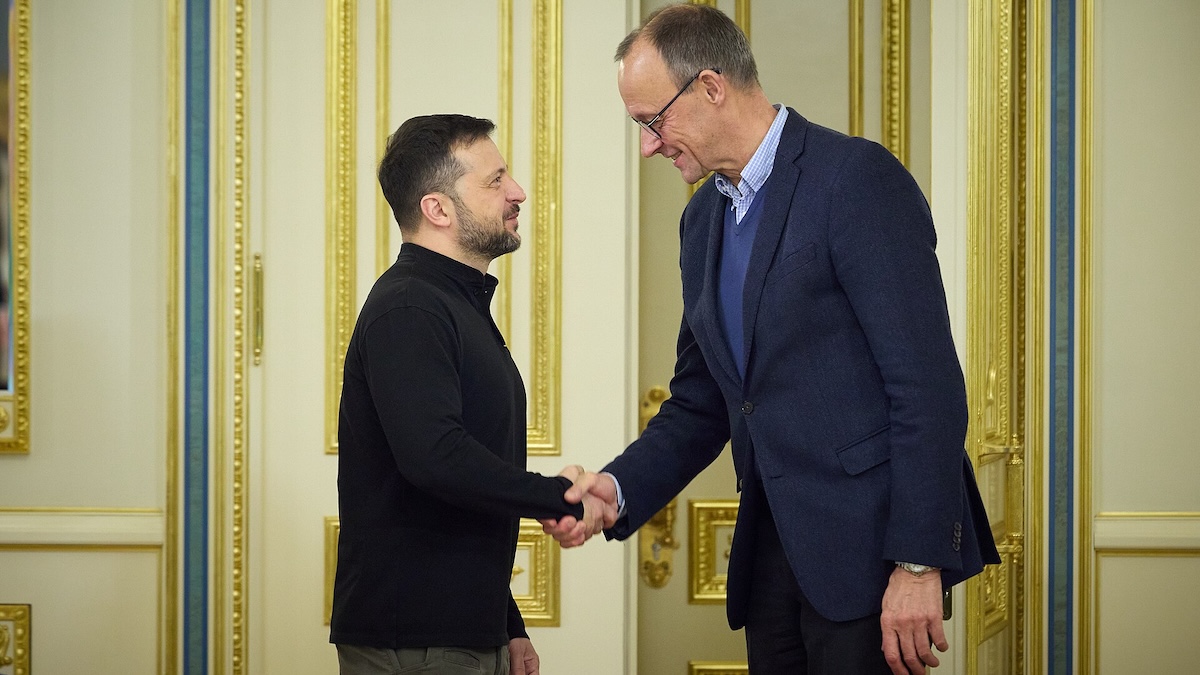
- War on the Rocks now publishes a weekly Ukrainian commentary digest
- Digest curates local news, opinion, and debate from Ukraine’s media
- Focuses on daily life and politics, not just battlefield updates
Every Monday, War on the Rocks will drop a new edition of The Ukraine Compass—a weekly digest that scours Ukrainian media for the sharpest, most honest takes on the war and its fallout. This isn’t another NATO briefing or think-tank report. It’s Ukrainians talking to Ukrainians, in their own words, about how the war is changing their country and the continent next door. The goal? To give readers a view that’s rarely seen in Western coverage, where the focus often stops at the frontlines. War on the Rocks is betting that the real story of this war isn’t just in the trenches—it’s in the villages, the kitchens, and the heated arguments on Telegram channels where the future of Ukraine is hashed out in real time. That’s the kind of texture you won’t find in a Reuters alert or a CNN ticker. The Compass is strictly for War on the Rocks members, but the payoff is simple: you get the unfiltered pulse of a nation at war, not just the official line or the foreign correspondent’s take. If you’ve ever wanted to know what life feels like when your country’s survival is on the line—and how that changes the way people argue, hope, and resist—this is where to look first. The first issue drops next Monday, and the team behind it says they’re pulling from outlets like Kyiv Independent, Ukrainska Pravda, and local radio stations that are still broadcasting even under blackout rules. The editors aren’t just translating headlines. They’re curating the kind of debates that shape morale, politics, and strategy in Kyiv, Lviv, and Odesa. One recent piece in the Compass, for example, featured a fiery op-ed from a Lviv café owner arguing that Europe’s promises to Ukraine are wearing thin. He wasn’t talking about tanks or shells—he was talking about the slow creep of fatigue in Brussels meeting rooms and how it’s starting to show up in Ukrainian shops when the lights flicker. ## Why this matters now For the past two years, Western audiences have gotten used to seeing Ukraine through a narrow lens: numbers on a map showing territorial gains or losses, maps of air raid alerts, or crisis briefings on grain exports. But Ukraine isn’t just a story of war—it’s a story of survival, creativity, and constant argument about what the country should become. The Compass isn’t here to replace battlefield updates. It’s here to fill in the blanks. Take the debate over mobilization. While Western pundits wring their hands over whether Ukraine can find enough soldiers, Ukrainians are arguing over who should be exempt, how to train replacements, and whether the current rules are fair to rural areas where every able-bodied person is already digging trenches. Another piece in the first issue dives into how small-town mayors are handling the influx of refugees returning home—some with open arms, others with quiet resentment over resources. These aren’t small stories. They’re the reason why Ukraine’s morale stays high even when the news from the front is grim. The Compass also spotlights the voices you rarely hear in Western media: the local historian in Kharkiv who’s preserving Soviet-era archives under artillery fire, the priest in Dnipro running a makeshift shelter for displaced families, the student in Lviv organizing fundraisers for frontline medics. ## What’s inside the digest Each edition will run about 5-7 curated pieces, ranging from sharp op-eds to on-the-ground reports, plus a roundup of the week’s most talked-about social media posts. The editors say they’re avoiding the usual suspects—the big Kyiv-based media brands—and digging into regional outlets that often get overlooked. That means more voices from the east, where the war is still raging, and the south, where reconstruction is slowly beginning. The first edition, for instance, includes a first-person account from a Mariupol teacher who stayed in the city after the Russian occupation, detailing how she’s quietly teaching Ukrainian history to kids in a basement classroom with no windows. Another piece profiles a group of Odesa artists turning war debris into sculptures that are now touring Europe, making the case for Ukrainian culture in a way bullets never could. The Compass won’t shy away from controversy. One article in the queue tackles the growing frustration among Ukrainians who feel their allies in Europe are more interested in avoiding escalation than in helping Ukraine win. It’s a debate that’s simmering in Ukrainian coffee shops—and now it’ll have a place in the global conversation. ## What happens next The team behind the Compass says they’re treating this as a long-term project, not a one-off experiment. If the first few editions resonate, they’ll expand the scope to include more multimedia—podcast clips, video dispatches, and even reader-submitted pieces from the front. For War on the Rocks members, that means getting a front-row seat to a war that’s not just being fought, but lived, argued, and reimagined every day. The real test will be whether the digest can shift how outsiders see Ukraine—not as a victim or a hero, but as a country making hard choices in real time. That’s the kind of clarity you won’t get from a headline that screams “Ukraine strikes back” or “Russia advances.” It’s the kind you get from reading a village mayor’s Facebook post at 3 a.m. while the sirens are wailing over the loudspeaker.
What You Need to Know
- Source: War on the Rocks
- Published: May 04, 2026 at 15:30 UTC
- Category: War
- Topics: #defense · #military · #geopolitics · #war · #conflict · #looking
Read the Full Story
This is a curated summary. For the complete article, original data, quotes and full analysis:
All reporting rights belong to the respective author(s) at War on the Rocks. GlobalBR News summarizes publicly available content to help readers discover the most relevant global news.
Curated by GlobalBR News · May 04, 2026
Related Articles
- 🎉 250 Articles in War!
- 🎉 100 Articles in War!
- Two Nepali Sherpa climbers break own records on Mount Everest
🇧🇷 Resumo em Português
A Ucrânia, há três anos mergulhada em uma guerra brutal contra a Rússia, oferece ao mundo um retrato inédito de como o conflito reconfigura a Europa — não apenas nos mapas militares, mas nas ruas, nas casas e nas discussões que a mídia ocidental muitas vezes ignora. Em meio a bombardeios e reconstruções, os ucranianos mostram uma resistência que transcende as manchetes de invasões e sanções, revelando um continente europeu cada vez mais dividido entre a solidariedade e a exaustão, enquanto a sombra da guerra se alonga sobre o futuro do bloco.
Para o Brasil, país que recentemente se aproximou da Otan e debate seu papel global em tempos de polarização, a cobertura ucraniana é um espelho revelador. Enquanto a Europa debate limites de apoio militar e migração, a guerra na Ucrânia expõe fragilidades que ecoam no Sul Global: a dependência energética, a crise de confiança nas instituições e a luta por narrativas próprias em meio à desinformação. A iniciativa do War on the Rocks, ao trazer perspectivas de primeira mão, mostra como a narrativa local pode desafiar a visão tradicional de um conflito distante, obrigando brasileiros e outros falantes de português a repensar sua compreensão sobre segurança continental e soberania.
À medida que a Ucrânia completa mais um ano de resistência, a pergunta que se impõe é: até quando a Europa — e o mundo — suportará o fardo da guerra sem perder a coesão?
🇪🇸 Resumen en Español
El conflicto en Ucrania ha redefinido la relación entre Europa y sus vecinos orientales, mostrando una realidad que los titulares occidentales a menudo pasan por alto. How Ukrainians See Europe Now—Through War, Daily Life, and Debate, una nueva publicación semanal de War on the Rocks, desglosa cómo la invasión rusa ha transformado no solo el frente de batalla, sino también la percepción cotidiana de los ucranianos sobre el continente europeo.
Más allá de los análisis geopolíticos tradicionales, este proyecto periodístico recoge testimonios directos de civiles, soldados y expertos en el terreno, ofreciendo una mirada cruda y cercana sobre la resistencia ucraniana. Para los hispanohablantes, el relato trasciende lo lejano: refleja cómo un conflicto en las puertas de la UE desafía conceptos como soberanía, identidad europea y solidaridad transnacional. Además, invita a cuestionar el papel de Occidente más allá de la ayuda militar, explorando la urgencia de reconstruir no solo infraestructuras, sino también la confianza en un futuro compartido.
War on the Rocks
Read full article at War on the Rocks →This post is a curated summary. All rights belong to the original author(s) and War on the Rocks.
Was this article helpful?

Discussion