Trump-Xi summit ends with few concrete results despite Trump’s claim of solving multiple issues.
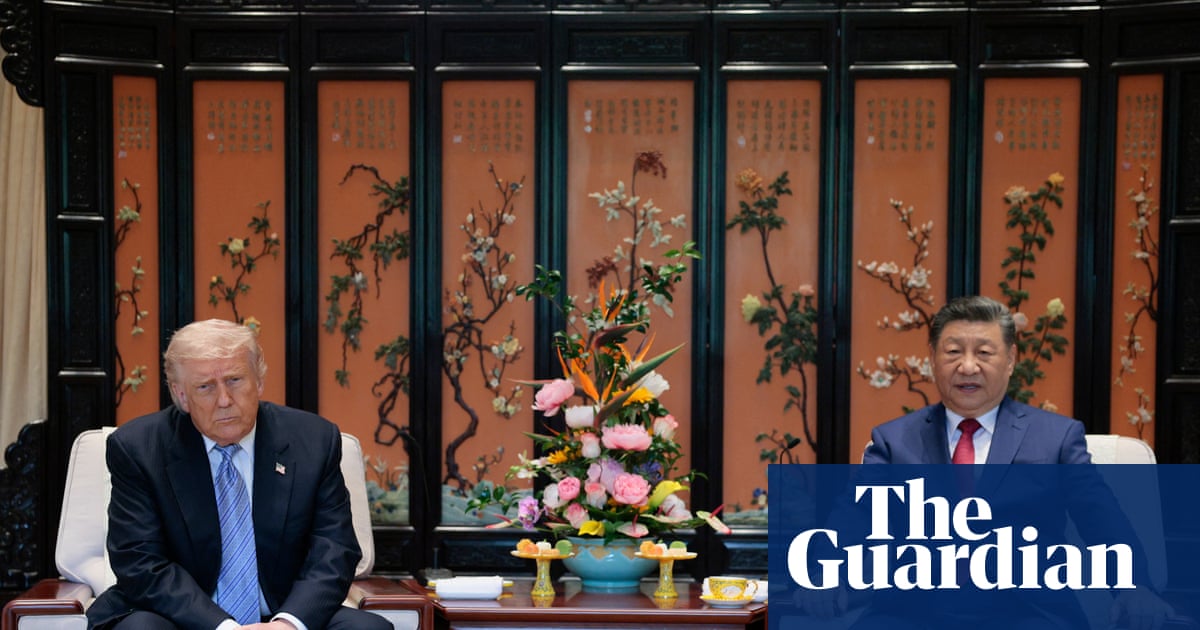
- Trump and Xi met in Beijing with no announced policy changes
- Trump claimed they resolved multiple issues without detailing solutions
- First U.S. presidential visit to China in nearly 10 years yielded no joint statement
Donald Trump’s highly anticipated meeting with Xi Jinping Xi Jinping in Beijing concluded Friday with little to show for the two days of talks beyond vague assurances. Trump declared on Twitter and in public remarks that the two leaders had ‘settled a lot of different problems’—a claim that offered no specifics on trade, security, or other disputes between the world’s two largest economies. Neither side released a joint statement, a customary outcome of high-level diplomatic summits, leaving analysts and observers to question what, if anything, was accomplished. The visit, the first by a sitting U.S. president to China in nearly a decade, was heavy on ceremony but light on substance. Chinese state media framed the meetings as ‘constructive,’ while U.S. officials offered no evidence of progress on key issues such as tariffs, intellectual property theft, or military tensions in the South China Sea. Trump’s itinerary included a lavish state dinner, a tour of the Forbidden City, and a speech to American executives in Shanghai, but no policy breakthroughs were announced during or after the trip. The lack of tangible results contrasts sharply with the fanfare surrounding the visit, which included a 21-gun salute, red carpet welcomes, and hours of tightly choreographed photo opportunities. Analysts suggest the summit may have been more about symbolism than substance, designed to reset relations after years of escalating tensions. Trump’s trade war rhetoric has repeatedly clashed with Xi’s insistence on China’s ‘core interests,’ including its claim to nearly the entire South China Sea. The two sides have sparred over cyber espionage, market access, and military posturing, with no resolution in sight. During the visit, Trump avoided direct criticism of China’s human rights record, including its treatment of Uyghur Muslims and crackdown on dissent in Hong Kong. Instead, he praised Xi’s leadership and the warmth of the Chinese people, a marked shift from his earlier accusations of currency manipulation and unfair trade practices. U.S. officials have not explained what ‘problems’ were resolved, nor have they indicated whether any agreements were reached in private discussions. The absence of a joint communiqué or even a fact sheet detailing outcomes raises questions about the summit’s actual achievements. The White House has not responded to repeated requests for clarification on Trump’s claims. ## What did Trump and Xi discuss? While the topics of conversation were not disclosed in detail, U.S. officials said trade, North Korea, and regional security were likely discussed. Trump has previously accused China of stealing U.S. intellectual property and manipulating its currency to gain an unfair trade advantage. Xi, meanwhile, has accused the U.S. of interfering in China’s internal affairs and undermining its sovereignty. Neither leader has indicated a willingness to compromise on these core issues. The summit took place against the backdrop of escalating tensions over Taiwan, where China has increased military drills near the self-governing island. Trump’s administration has sent warships through the Taiwan Strait and approved new arms sales to Taipei, actions that have drawn sharp warnings from Beijing. The lack of progress on these fronts suggests the summit did little to ease the broader strain in U.S.-China relations. ## What happens next? Analysts expect the status quo to continue, with both sides likely to maintain their current policies until further talks or concessions are made. Trump has not indicated whether additional meetings are planned, and no dates for follow-up negotiations have been announced. Meanwhile, U.S. businesses operating in China remain in limbo, with many still awaiting clarity on issues like market access and regulatory hurdles. The next major flashpoint could be the expiration of key trade tariffs in early 2025, which could reignite hostilities if neither side shows flexibility. Without concrete agreements or even a clear understanding of what was discussed, the Beijing summit appears to have been more about optics than outcomes. The lack of transparency from both sides leaves many questions unanswered about the future of U.S.-China relations and the global economic order they influence.
What You Need to Know
- Source: The Guardian
- Published: May 15, 2026 at 13:37 UTC
- Category: World
- Topics: #guardian · #world-news · #international · #politics · #government · #trump
Read the Full Story
This is a curated summary. For the complete article, original data, quotes and full analysis:
All reporting rights belong to the respective author(s) at The Guardian. GlobalBR News summarizes publicly available content to help readers discover the most relevant global news.
Curated by GlobalBR News · May 15, 2026
Related Articles
- US proposes 40% cut in Colorado River water for 3 states amid drought
- Trump urges Taiwan to avoid independence amid rising China tensions
- Xi gives Trump private tour of secret garden in Beijing
🇧🇷 Resumo em Português
O encontro entre Donald Trump e Xi Jinping em Pequim terminou sem avanços concretos, mas com promessas vagas de solução para tensões comerciais e geopolíticas. Em um cenário de guerra comercial e disputas por influência global, a cúpula entre os líderes das duas maiores economias do mundo foi marcada por declarações genéricas e ausência de compromissos firmes, mantendo o impasse que já dura anos.
Para o Brasil, o resultado do encontro reforça a incerteza sobre o futuro do comércio internacional, especialmente em setores como agricultura e manufatura, que dependem de relações estáveis entre EUA e China. Além disso, a falta de resolução em temas como cibersegurança e propriedade intelectual pode afetar acordos bilaterais do Brasil com ambos os países, já que as duas nações são parceiras comerciais estratégicas. A ausência de acordos deixa o Brasil em uma posição de espera, dependente de desdobramentos que ainda não se concretizaram.
O próximo passo deve ser acompanhar se novas negociações serão retomadas ou se a tensão persistirá, impactando diretamente a economia global e, consequentemente, o Brasil.
🇪🇸 Resumen en Español
Donald Trump y Xi Jinping cerraron su encuentro en Pekín con promesas genéricas de resolver problemas, pero sin acuerdos concretos que marquen un avance real. La cumbre, presentada como un gesto de distensión, dejó más sombras que luces sobre el futuro de las relaciones comerciales y de seguridad entre Estados Unidos y China.
El encuentro, más simbólico que práctico, refleja la tensión latente entre ambas potencias, donde las declaraciones de buena voluntad chocan con la falta de compromisos tangibles. Para los hispanohablantes, este estancamiento tiene implicaciones globales, desde el encarecimiento de productos tecnológicos hasta la incertidumbre en los mercados financieros, recordando que las decisiones de Washington y Pekín resuenan en economías tan diversas como las de España o Latinoamérica.
The Guardian
Read full article at The Guardian →This post is a curated summary. All rights belong to the original author(s) and The Guardian.
Was this article helpful?

Discussion