US Army Gen. Xavier Brunson says Indo-Pacific peace needs military strength, industrial growth, and allied support.
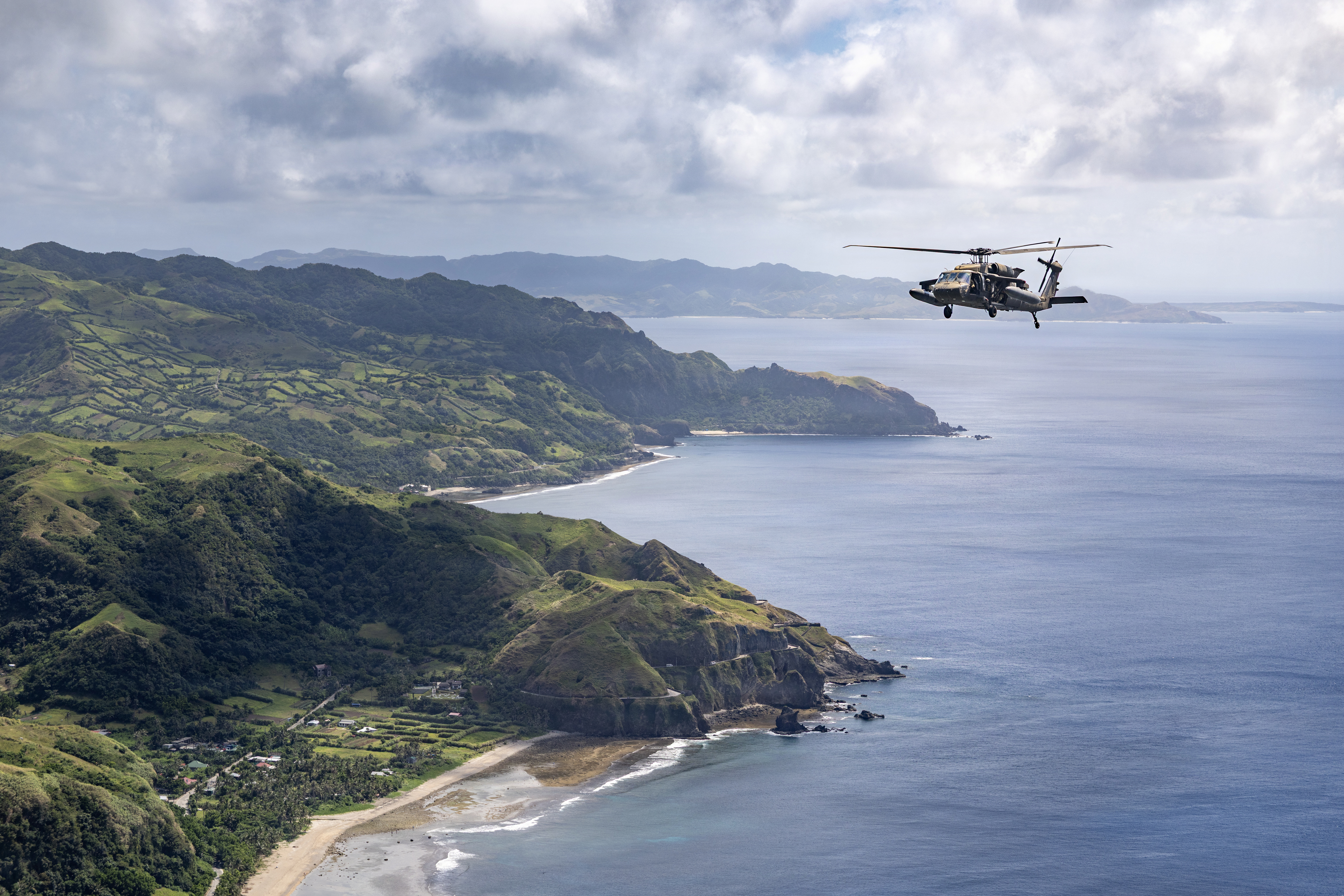
- US Army Gen. Xavier Brunson urges multi-pronged Indo-Pacific deterrence strategy
- Military leaders call for joint industrial and allied efforts in Hawaii
- Brunson says military-industrial collaboration is core to regional peace
HONOLULU — U.S. Army leaders gathered in Hawaii this week to push for a sweeping strategy that blends military might with industrial output and allied cooperation to counter rising threats across the Indo-Pacific. Speaking at the 2026 Land Forces Pacific Symposium and Exposition, U.S. Army Gen. Xavier Brunson commander of United Nations Command, ROK/U.S. Combined Forces Command and U.S. Forces Korea, framed the joint effort as the foundation of regional stability. “The ultimate guardian of peace is not just the soldier in the foxhole, but the worker in the factory and the ally at the negotiating table,” Brunson said during his keynote address at Joint Base Pearl Harbor-Hickam.
Brunson emphasized that deterring near-peer adversaries in the Indo-Pacific demands more than troop readiness. He highlighted the need for industrial sustainability, rapid production of munitions and equipment, and shared responsibility among allied nations. “Sustainment is not the tail of the spear—it is the spear itself,” Brunson told the audience of defense officials, industry leaders, and military personnel. The symposium, hosted by the Association of the United States Army, drew hundreds of participants focused on land warfare challenges in the Pacific theater.
Indo-Pacific defense hinges on three pillars
Brunson outlined three core components needed to maintain deterrence: military strength, industrial capacity, and allied collaboration. He argued that without a surge in defense production—especially of long-range missiles, artillery shells, and logistical support—the U.S. and its partners risk falling behind in a high-stakes competition. The U.S. Army has already begun shifting resources toward the Pacific, but Brunson said the effort must accelerate. “We cannot deter what we cannot supply,” he stated.
Allied burden-sharing emerged as another key theme. Brunson praised ongoing cooperation with nations like Japan, South Korea, and Australia but called for deeper integration of defense industrial bases. He pointed to joint ventures in missile development and munitions production as examples of progress. Still, he warned that gaps remain. “Security is a team sport,” he said, urging allies to increase interoperability and production capacity to match the scale of the challenge.
Industry response and upcoming challenges
Industry leaders at the symposium echoed Brunson’s concerns. Major defense contractors outlined plans to expand Pacific-focused production lines, but cautioned that supply chain bottlenecks and workforce shortages could slow progress. The U.S. Army is exploring public-private partnerships to boost output, including investments in domestic foundries and shipyards critical for sustainment. Meanwhile, policymakers in Washington are debating new funding measures to accelerate these efforts.
The stakes are rising as tensions grow around Taiwan, North Korea, and disputed maritime zones. Brunson said the Army is preparing for a range of contingencies, from high-intensity conflict to gray-zone provocations. Exercises like Talisman Sabre and joint patrols with regional partners are being scaled up to demonstrate resolve and improve coordination.
What happens next
The Army plans to use the lessons from the symposium to refine its Indo-Pacific strategy in 2025. Brunson said he expects further announcements on industrial mobilization and allied cooperation in the coming months. Meanwhile, the Land Forces Pacific Symposium will continue through Friday, with workshops on cyber defense, long-range fires, and expeditionary operations. The outcome of these discussions could shape the balance of power across the region for years to come.
What You Need to Know
- Source: Defense News
- Published: May 13, 2026 at 23:07 UTC
- Category: War
- Topics: #defense · #military · #pentagon · #war · #indo · #pacific
Read the Full Story
This is a curated summary. For the complete article, original data, quotes and full analysis:
All reporting rights belong to the respective author(s) at Defense News. GlobalBR News summarizes publicly available content to help readers discover the most relevant global news.
Curated by GlobalBR News · May 13, 2026
Related Articles
🇧🇷 Resumo em Português
A paz no Indo-Pacífico não virá apenas com poderio militar, mas com indústria forte e divisão de responsabilidades, alerta general dos EUA. Em uma mensagem clara aos aliados na região, o alto comando do Exército americano em solo havaiano deixou de lado a retórica tradicional de dissuasão militar para enfatizar que a segurança no Indo-Pacífico exige mais do que tanques e navios: demanda uma cadeia industrial robusta e um compartilhamento justo dos custos entre as nações que dependem dessa estabilidade.
O alerta, feito durante uma conferência em Honolulu, ganha peso quando se considera que o Brasil, embora geograficamente distante, tem interesses estratégicos na região — seja pela importância do comércio marítimo no Atlântico Sul e Pacífico, seja pela participação brasileira em fóruns como o Fórum de Defesa do Pacífico. A dependência de parceiros como os EUA para conter ameaças chinesas e norte-coreanas coloca o país em uma posição delicada: como contribuir sem comprometer sua soberania? O debate sobre burden-sharing (divisão de encargos) não é novo, mas ganha urgência diante da escalada de tensões e da necessidade de evitar que o Brasil seja pego em uma lógica de alianças que não priorize seus próprios interesses.
Se os EUA insistem que a indústria local deve ser acionada como ferramenta de dissuasão, o próximo passo será observar como o Brasil e outras nações do Sul Global reagem — seja com investimentos próprios, seja com negociações mais firmes dentro de organizações regionais.
🇪🇸 Resumen en Español
El mando militar estadounidense en el Indo-Pacífico advierte que ningún escenario de paz será posible en la región sin un impulso industrial conjunto y una distribución equitativa de la carga entre aliados, según declaraciones de altos oficiales del Ejército en Hawái. La advertencia subraya un cambio de paradigma en la estrategia de disuasión, donde la mera capacidad militar ya no basta para contener las crecientes amenazas regionales.
El mensaje, pronunciado en un contexto de tensiones crecientes con China y Corea del Norte, refleja la urgencia de modernizar las cadenas de suministro de defensa y reforzar la colaboración entre socios como Japón, Corea del Sur o Australia. Para los hispanohablantes, especialmente en países con intereses estratégicos en la zona, la llamada a compartir responsabilidades económicas y logísticas sirve como recordatorio de que la estabilidad en el Indo-Pacífico —clave para el comercio global— depende de un esfuerzo multinacional, no solo de Washington. La advertencia también plantea preguntas sobre el papel futuro de España y la UE en un tablero donde Europa podría verse arrastrada a asumir mayores compromisos.
Defense News
Read full article at Defense News →This post is a curated summary. All rights belong to the original author(s) and Defense News.
Was this article helpful?


Discussion