Twenty-five acts compete in Eurovision 2026 final Saturday in Vienna amid boycotts and protests over Israel’s inclusion.
- Twenty-five countries perform in Vienna Saturday for Eurovision crown
- Five nations boycott over Israel’s participation in contest
- Finnish violinist, Moldovan rapper, Serbian metal band among finalists
The 70th anniversary Eurovision Song Contest final arrives Saturday in Vienna with 25 acts set to perform for Europe’s pop crown amid a charged atmosphere of protests, boycotts and heavy security. The Wiener Stadthalle arena will host the event, which has drawn millions of viewers worldwide despite calls to exclude Israel over its military actions in Gaza and beyond. Five countries—Spain, the Netherlands, Ireland, Iceland and Slovenia—have announced they will not participate in protest, marking the third consecutive year the contest has been drawn into geopolitical conflict.
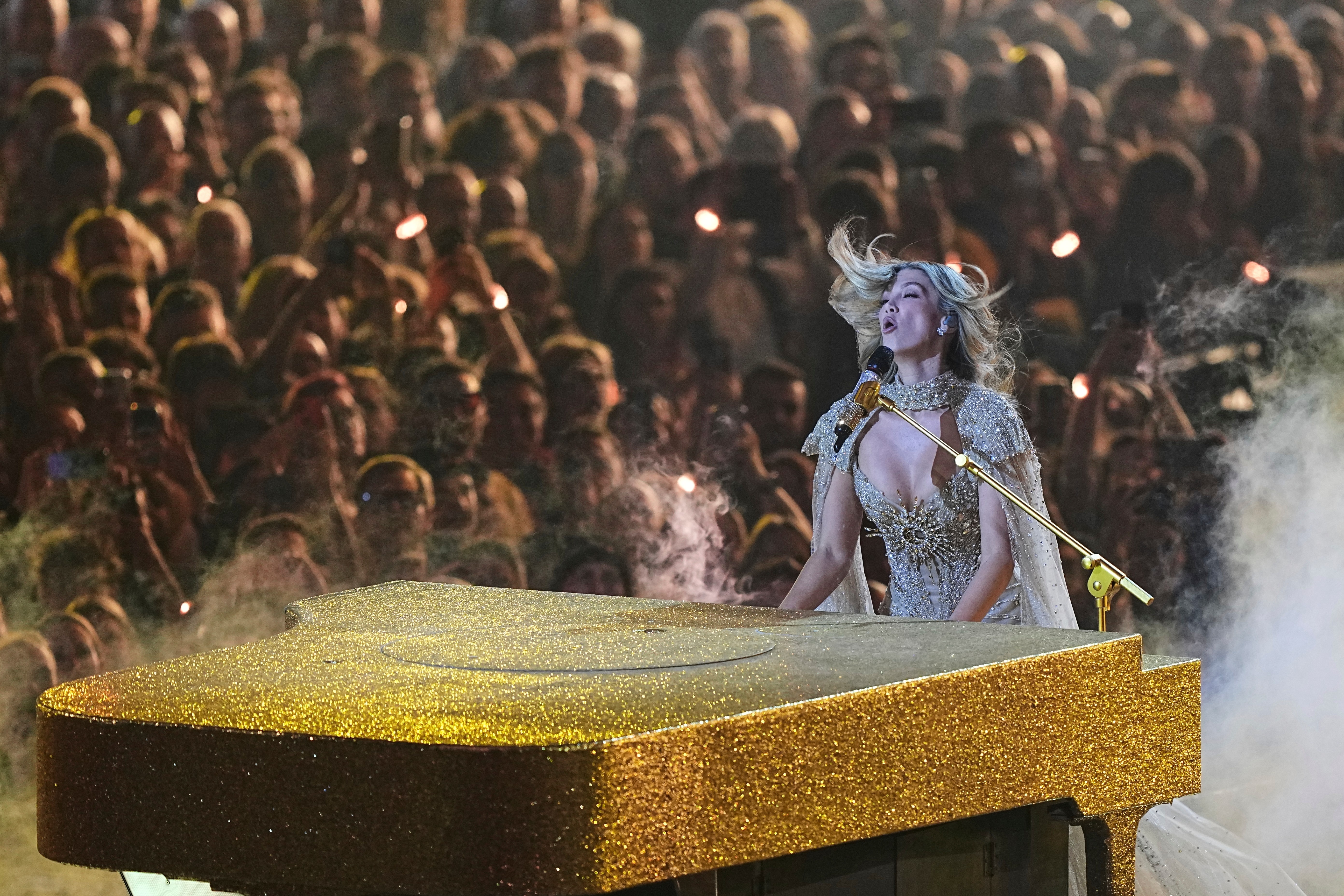
Security remains tight following a week of rehearsals where performances ranged from high-energy rap to fiery violin solos. Australian pop star Delta Goodrem rehearsed Friday with a dramatic staging of “Eclipse,” while Finnish violinist Käärijä and Moldovan folk-rapper Satoshi drew early praise for their politically charged acts. Finnish historian Dean Vuletic called Satoshi’s “Viva, Moldova” a standout for blending high energy with a pro-European message, reflecting Moldova’s EU accession ambitions.
Protests and politics overshadow pop spectacle
Protests have intensified as the final approaches, with activists in Vienna and across Europe decrying Israel’s inclusion. Demonstrators argue the contest should not be a platform for a country involved in ongoing conflicts. Organizers have defended the event as a non-political celebration of music and culture, a claim that has grown harder to sustain given the repeated boycotts tied to international disputes.
Among the most anticipated performances are Greece’s Akylas with “Ferto,” a song blending folk and modern pop, and Serbia’s Zdob și Zdub bringing metal to the Eurovision stage. The diversity reflects Eurovision’s reputation as a melting pot where genres collide, from Serbian turbo-folk to Icelandic electro-pop.
Eurovision meets World Cup: a global pop phenomenon
The competition has been compared to the World Cup for its fanatical global audience and emotional intensity. With 60 years of history, Eurovision has become a cultural institution where national pride, camp aesthetics and political statements often collide. This year’s final marks the milestone 70th anniversary, with organizers billing it as a celebration of unity through music.
Yet unity feels fragile. The boycotts underscore how international events increasingly reflect geopolitical divisions. While the European Broadcasting Union insists the contest remains apolitical, the repeated exclusion demands have made it impossible to ignore the tension.
The final will air live Saturday evening across Europe and in dozens of countries worldwide, with voting beginning after all performances conclude. Fans can expect dazzling pyrotechnics, elaborate costumes and last-minute stage surprises—classic Eurovision hallmarks designed to win over juries and public votes alike.
As Vienna prepares for a night of pop euphoria, the shadow of protest lingers. Whether the contest succeeds in separating music from politics remains an open question, but one thing is certain: Eurovision’s power to provoke, entertain and unite remains undiminished.
What You Need to Know
- Source: NPR
- Published: May 16, 2026 at 05:44 UTC
- Category: World
- Topics: #npr · #usa · #world-news · #contest · #eurovision-contest · #saturday
Read the Full Story
This is a curated summary. For the complete article, original data, quotes and full analysis:
All reporting rights belong to the respective author(s) at NPR. GlobalBR News summarizes publicly available content to help readers discover the most relevant global news.
Curated by GlobalBR News · May 16, 2026
Related Articles
- Eurovision 2024 faces scrutiny over Israel’s participation amid war
- US Justice Department preparing indictment against Raúl Castro
- US proposes 40% cut in Colorado River water for 3 states amid drought
🇧🇷 Resumo em Português
A tensão toma conta da Europa enquanto 25 países se preparam para brilhar na final do Eurovision 2026, marcada para este sábado em Viena, mas não é só música que está em jogo: protestos contra a participação de Israel e um clima de segurança reforçada transformam o evento em um palco político inesperado. Entre performances de pop, metal e folk, a edição promete ser uma das mais polêmicas da história do festival, com boicotes e debates acalorados dividindo fãs e autoridades.
O Brasil, embora não participe da competição, observa com atenção o desdobramento de um fenômeno cultural que já extrapolou as fronteiras europeias, ganhando relevância global — e até mesmo aqui, onde a Eurovisão vem conquistando cada vez mais fãs graças às transmissões e ao engajamento nas redes sociais. A presença de Israel no evento, em meio à guerra em Gaza, reacendeu críticas sobre a neutralidade da União Europeia Radiodifusão (UER), organizadora da Eurovisão, e colocou em xeque a capacidade do festival de manter sua tradicional imagem de união e paz.
Com a polêmica em alta, a pergunta que fica é: como o Eurovision 2026 lidará com as pressões e garantirá que a música, mais uma vez, não seja ofuscada pela política?
🇪🇸 Resumen en Español
El certamen más controvertido de la última década llega a Viena con el escenario dividido entre celebridades y activistas. La final del Festival de Eurovisión 2026, que celebra su 70º edición este sábado, se celebra bajo un clima de tensión inédito: veinte y cinco países compiten entre protestas por la participación de Israel, un dispositivo de seguridad reforzado y un cartel artístico que oscila entre el pop más comercial y sonidos tan arriesgados como el folk o el metal.
Más allá de los tres minutos de gloria que otorga el escenario, este Eurovisión se ha convertido en un termómetro global de tensiones geopolíticas que trascienden fronteras. Para el público hispanohablante, la cita adquiere un peso especial: España, que este año envía a la joven promesa Blanca Paloma con una propuesta flamenca y electrónica, compite en un certamen donde el boicot a Israel —promovido por artistas y asociaciones— amenaza con eclipsar incluso las actuaciones más brillantes. La polémica no es solo sobre política: refleja cómo la cultura popular, en un mundo cada vez más polarizado, se ve arrastrada a debates que van de lo local a lo universal, obligando a los espectadores a posicionarse entre el arte, la neutralidad y la denuncia.
NPR
Read full article at NPR →This post is a curated summary. All rights belong to the original author(s) and NPR.
Was this article helpful?


Discussion