Ukraine launched 600 drones, killing four in Russia after Moscow’s attack on Ukraine.
- Ukraine struck 14 Russian regions with 600 drones overnight
- Russian defense ministry reported four deaths in the attack
- Strike came after Moscow’s three-day attack on Ukraine last week
📰 Continuing coverage: Ukraine drones kill 3 in Russia after 500+ intercepted overnight
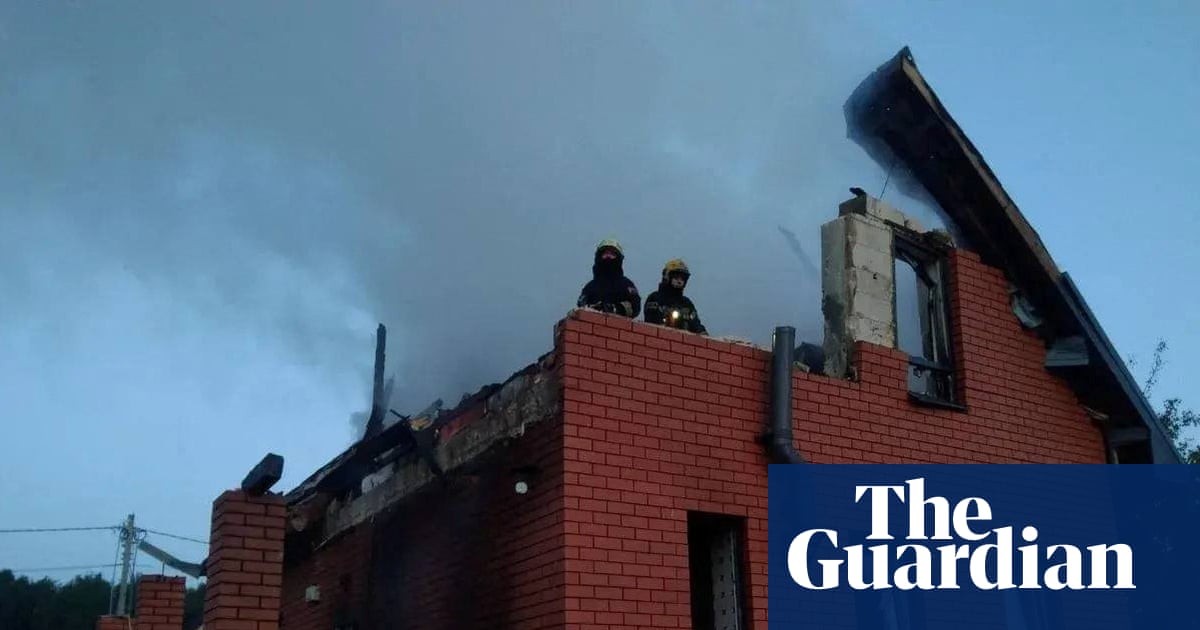
Ukraine launched a massive drone attack on Russia overnight, hitting at least 14 regions including the capital city, Moscow, and the Crimean peninsula, Russian authorities said Sunday. The strike involved nearly 600 drones, the largest single wave of the war so far, according to the Russian defense ministry. At least four people were killed, and the attack targeted areas near Moscow, the Black Sea, and the Azov Sea, officials added.
The Ukrainian strike was a direct response to a three-day Russian aerial assault on Ukraine last week that killed 18 people and injured more than 100, according to Ukrainian officials. That attack marked the deadliest Russian strike on Ukrainian cities since the start of the full-scale invasion in 2022. Moscow’s assault included missile barrages and drone strikes, hitting residential areas in multiple cities, including Kyiv, Kharkiv, and Dnipro.
Russian authorities said the Ukrainian drones caused damage to infrastructure and civilian buildings, though they did not specify the exact locations. Videos shared on social media showed fires and explosions in several regions, including near Moscow. The Russian defense ministry claimed to have shot down more than half of the incoming drones, but some managed to hit their targets. The strike disrupted air travel at several regional airports, with flights delayed or canceled as authorities conducted security checks.
Ukrainian officials have not confirmed responsibility for the drone attack, but it follows a pattern of escalating strikes deep inside Russia in recent months. Ukraine has increasingly used long-range drones to target military sites, oil refineries, and logistics hubs in Russia, aiming to disrupt the country’s war effort. The latest strike appears designed to retaliate for last week’s civilian casualties and demonstrate Ukraine’s ability to project force beyond its borders.
The timing of the attack—just days after Russia’s deadly assault on Ukraine—raises questions about the next phase of the war. Analysts suggest Ukraine may be shifting tactics to pressure Russia by hitting high-profile targets inside its territory. Meanwhile, Russia has warned of a “full-scale” response if such attacks continue, though it’s unclear what form that might take. The escalation underscores the growing intensity of the conflict as both sides struggle to gain the upper hand.
For now, the focus is on assessing the damage and preventing further strikes. Russian air defenses are on high alert, and authorities have urged civilians to stay indoors and report any suspicious activity. Ukraine has not commented on the operation beyond acknowledging the broader context of retaliation. The coming days will likely reveal whether this was a one-off strike or the start of a new phase in the war.
What You Need to Know
- Source: The Guardian
- Published: May 17, 2026 at 09:48 UTC
- Category: World
- Topics: #guardian · #world-news · #international · #war · #ukraine · #russia
Read the Full Story
This is a curated summary. For the complete article, original data, quotes and full analysis:
All reporting rights belong to the respective author(s) at The Guardian. GlobalBR News summarizes publicly available content to help readers discover the most relevant global news.
Curated by GlobalBR News · May 17, 2026
Related Articles
- 🎉 250 Articles in World!
- WHO declares Ebola emergency as Congo outbreak spreads to Uganda
- WHO declares Ebola emergency as Congo and Uganda outbreaks surge
🇧🇷 Resumo em Português
A Ucrânia lançou um ousado contra-ataque com quase 600 drones em 14 regiões russas, resultando na morte de quatro pessoas e marcando uma escalada dramática no conflito após Moscou desferir um ataque mortal de três dias contra cidades ucranianas. O bombardeio ucraniano, o maior já registrado em território russo desde o início da guerra, expôs a fragilidade do sistema de defesa de Moscou e reacendeu o temor de uma escalada ainda mais violenta no leste europeu, colocando em xeque a segurança de nações vizinhas, como a própria União Europeia.
O episódio ganha contornos ainda mais preocupantes para o Brasil e os falantes de língua portuguesa, uma vez que reforça o cenário de insegurança global e a imprevisibilidade da guerra, que já afeta economias e cadeias de suprimentos mundo afora. Com a Rússia intensificando sua retórica belicosa e a Ucrânia buscando desesperadamente reverter perdas territoriais, a comunidade internacional — incluindo países lusófonos — assiste a um jogo de xadrez geopolítico cujas peças podem se mover para além do conflito imediato, ameaçando a estabilidade de acordos comerciais e a segurança energética global.
A pergunta que fica no ar é: até onde essa escalada pode ir antes que a diplomacia, há muito silenciada, seja obrigada a voltar à mesa de negociações?
🇪🇸 Resumen en Español
Ucrania intensificó su ofensiva con un masivo ataque de drones que alcanzó 14 regiones rusas, dejando cuatro muertos en medio de una escalada de violencia tras los recientes bombardeos de Moscú sobre suelo ucraniano. Este movimiento marca un giro en el conflicto, con Kiev respondiendo con una de sus operaciones más ambiciosas en meses y elevando el riesgo de una espiral de represalias.
El bombardeo ucraniano, que involucró casi 600 drones, no solo refleja la determinación de Kiev por debilitar la capacidad bélica rusa, sino que también subraya el deterioro de la tregua tácita que había limitado los ataques aéreos profundos. Para los hispanohablantes, especialmente aquellos con vínculos en Europa del Este o intereses en la estabilidad regional, esta escalada recuerda los riesgos de una guerra que, tras dos años, parece lejos de resolverse. Además, eleva la presión sobre Occidente para revisar su apoyo militar a Ucrania, en un momento en que la fatiga bélica gana terreno en el debate internacional.
The Guardian
Read full article at The Guardian →This post is a curated summary. All rights belong to the original author(s) and The Guardian.
Was this article helpful?



Discussion