Drone strike hits UAE’s only nuclear plant, triggering fire and emergency shutdowns. No one has claimed responsibility yet.
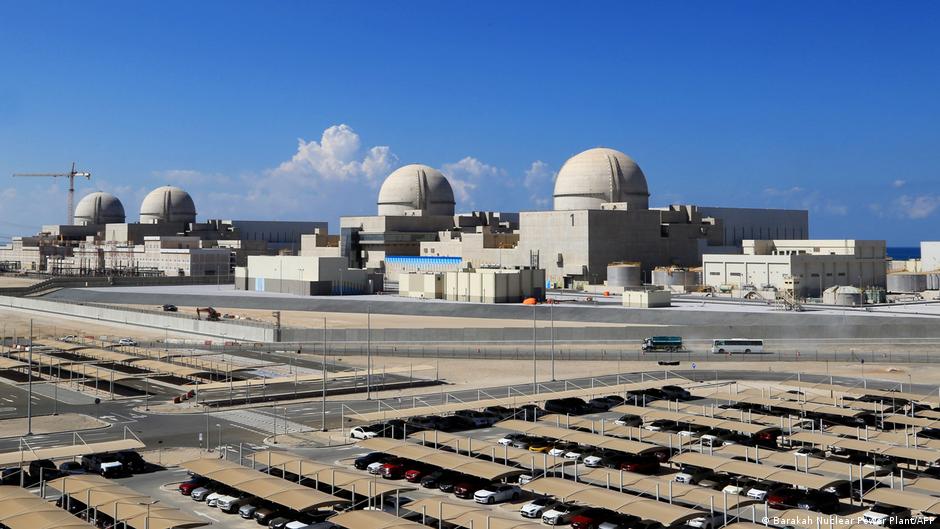
- Drone strike caused fire at Barakah nuclear plant’s perimeter in Abu Dhabi
- Plant operators activated emergency diesel generators to maintain cooling
- Iran has targeted UAE repeatedly since the 2023 Gaza war started
A drone strike set off a fire at the perimeter of the Barakah nuclear power plant in Abu Dhabi late Thursday, May 15, 2026, forcing operators to shut down the reactor and activate emergency backup systems. The United Arab Emirates’ sole nuclear facility went online in 2020 and supplies about 25% of the country’s electricity. No group has taken credit for the attack, but tensions with Iran have been high since the war in Gaza escalated in 2023. Iran-backed groups in Yemen and Iraq have launched dozens of missile and drone strikes on UAE targets over the past three years, including airports, military sites, and oil infrastructure. Officials haven’t said whether the drone reached the plant’s restricted zone, but they confirmed the fire was contained to the outer fence and caused no radiation leaks or damage to the reactor itself. The UAE’s national nuclear regulator issued a statement saying the plant’s safety systems worked as designed, and the International Atomic Energy Agency (IAEA) Wikipedia confirmed it’s monitoring the situation closely. “We’re following this closely,” IAEA chief Rafael Grossi told reporters in Vienna. “The plant’s emergency protocols appear to have functioned correctly.” The strike comes just days after European diplomats met with Iranian officials in Muscat to discuss safe passage through the Strait of Hormuz, a critical oil shipping route. Iran has repeatedly threatened to disrupt Gulf shipping lanes if it faces further sanctions or military pressure. The Barakah plant, built by South Korea’s KEPCO, sits about 50 kilometers west of Abu Dhabi and is home to four South Korean-designed APR-1400 reactors. Its first unit went online in 2020, and the fourth and final reactor was connected to the grid in March 2024. The UAE has long positioned itself as a stable energy hub in a volatile region, but Friday’s incident raises fresh questions about the safety of its nuclear program. ## How this attack fits into the region’s tensions The drone strike isn’t an isolated event. Since October 2023, Iran and its proxies have launched over 120 attacks on UAE soil, including strikes on Dubai’s airport and ADNOC’s oil facilities. Most were claimed by Yemen’s Houthi rebels or Iraq’s Kata’ib Hezbollah, both backed by Tehran. The UAE has responded by strengthening its air defenses, including deploying advanced Patriot missile systems and participating in U.S.-led maritime security coalitions. Analysts say Iran’s strategy isn’t just about retaliation—it’s also a way to pressure Gulf states into reducing support for Israel or easing sanctions on Tehran. The Barakah plant has been a particular target of rhetoric. Iranian officials have called it a “sensitive American ally facility” in past statements, though the UAE insists the plant operates under strict IAEA safeguards. ## What’s next for the nuclear plant and the UAE The UAE government hasn’t announced any long-term impact on Barakah’s operations, but independent nuclear safety experts say even minor disruptions can ripple through the energy sector. The plant supplies power to desalination plants and industrial zones, and any prolonged shutdown could strain Abu Dhabi’s grid. The IAEA is expected to send a fact-finding mission to the site within days, though UAE authorities have not yet confirmed their arrival. For now, the reactor remains offline while investigators review footage from security cameras and drone debris. The bigger question is whether this attack will escalate into a wider conflict. The UAE has avoided direct retaliation in the past, but Friday’s strike crosses a symbolic line—hitting a nuclear facility in a country that prides itself on stability. If Iran or its proxies are behind it, the message is clear: no target in the Gulf is off-limits. ## Regional energy security at risk The incident also highlights the fragility of Gulf energy infrastructure. The Strait of Hormuz, where Iran has repeatedly threatened to block shipping, sees about 20% of the world’s oil pass through it daily. A sustained disruption could send global prices soaring. The Barakah plant was meant to reduce the UAE’s reliance on fossil fuel exports, but now it’s become another pressure point in the region’s shadow war. UAE officials have stressed that the fire was contained and radiation levels remain normal, but the psychological impact is real. Residents in Abu Dhabi reported seeing thick black smoke from the plant’s direction, and social media filled with speculation about a potential nuclear accident. The government quickly moved to calm fears, broadcasting reassuring messages on state TV and urging people not to spread unverified claims. The next 48 hours will be critical. If investigators find traces of Iranian-made drone components, the UAE may face a difficult choice: respond militarily or risk appearing weak. Either way, the region’s already tense energy politics just got more complicated.
What You Need to Know
- Source: Deutsche Welle
- Published: May 16, 2026 at 14:50 UTC
- Category: World
- Topics: #europe · #world-news · #war · #conflict · #middle-east
Read the Full Story
This is a curated summary. For the complete article, original data, quotes and full analysis:
All reporting rights belong to the respective author(s) at Deutsche Welle. GlobalBR News summarizes publicly available content to help readers discover the most relevant global news.
Curated by GlobalBR News · May 16, 2026
Related Articles
- 🎉 250 Articles in World!
- WHO declares Ebola emergency as Congo outbreak spreads to Uganda
- WHO declares Ebola emergency as Congo and Uganda outbreaks surge
🇧🇷 Resumo em Português
Um incêndio assustador atingiu a usina nuclear de Barakah, em Abu Dhabi, após um ataque com drones que ainda não foi reivindicado por nenhum grupo, alimentando a tensão na região e reacendendo o receio de um conflito mais amplo no Oriente Médio.
O incidente ocorreu em meio a um clima de crescente hostilidade entre Irã e seus rivais regionais, especialmente após meses de ataques recíprocos envolvendo drones, mísseis e sabotagens em instalações estratégicas. Para o Brasil, que mantém laços comerciais e diplomáticos tanto com os Emirados Árabes quanto com o Irã — além de depender do petróleo do Golfo —, o episódio reforça os riscos de uma escalada que poderia desestabilizar ainda mais o fornecimento global de energia e afetar economias dependentes do Oriente Médio.
Agora, resta saber se investigações internacionais conseguirão identificar os responsáveis e se a comunidade global agirá para evitar novos atos de violência na região.
🇪🇸 Resumen en Español
Una explosión controlada en la central nuclear de Barakah, en Abu Dabi, ha reavivado las tensiones geopolíticas en Oriente Medio después de que un dron provocara un incendio en sus instalaciones, sin que ningún grupo haya asumido aún la responsabilidad.
El incidente ocurre en un contexto de creciente rivalidad entre Irán y sus aliados, por un lado, y las monarquías del Golfo respaldadas por Occidente, por otro, lo que añade incertidumbre sobre la seguridad energética de la región. Para los hispanohablantes, el suceso recuerda los riesgos de la dependencia nuclear en zonas de conflicto, especialmente cuando la estabilidad regional se resiente y las cadenas de suministro energético global ya sufren tensiones. La falta de reivindicación inmediata oscurece las causas del ataque, pero subraya la vulnerabilidad de infraestructuras críticas en un escenario donde la ciberguerra y los conflictos asimétricos ganan peso.
Deutsche Welle
Read full article at Deutsche Welle →This post is a curated summary. All rights belong to the original author(s) and Deutsche Welle.
Was this article helpful?


Discussion