UAE fast-tracks pipeline bypassing Strait of Hormuz to double oil export capacity by 2027.
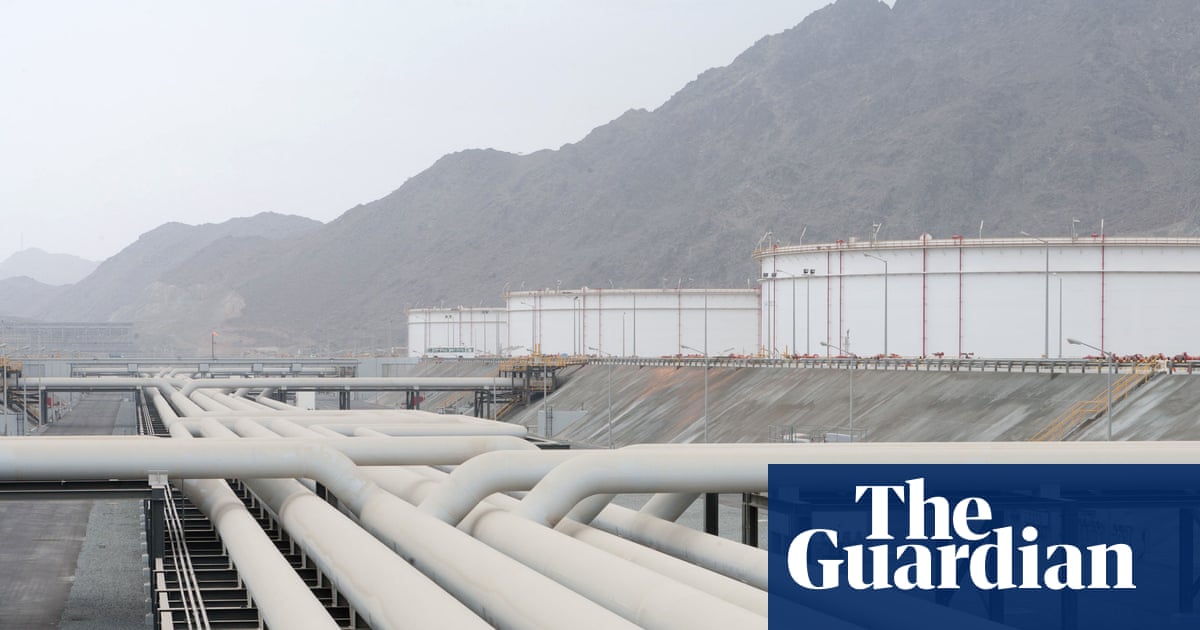
- UAE to complete Hormuz bypass pipeline by 2027
- New route doubles crude export capacity
- Project aims to secure oil shipments amid tensions
📰 Continuing coverage: UAE builds second West-East oil pipeline to bypass Strait of Hormuz
The United Arab Emirates UAE has accelerated construction of a strategic oil pipeline designed to bypass the Strait of Hormuz, completing the project by 2027. The pipeline will double the UAE’s crude export capacity, reducing reliance on the vulnerable waterway through which 20% of global seaborne oil and gas passes. The announcement comes as regional tensions heighten concerns over potential disruptions in the Gulf Gulf, where maritime traffic has faced ongoing risks since escalations in the Iran conflict.
State-owned Abu Dhabi National Oil Company ADNOC did not disclose the pipeline’s exact route but confirmed it would connect key oil fields in Abu Dhabi to export terminals on the Arabian Sea. This route avoids the Strait of Hormuz, a narrow chokepoint where tankers have faced threats from regional conflicts and piracy. The project aligns with the UAE’s long-term strategy to diversify export routes and reduce exposure to geopolitical risks.
New pipeline doubles export capacity amid regional instability
Once operational, the pipeline is expected to handle up to 2 million barrels of crude per day, nearly doubling the UAE’s current export capacity. The UAE, OPEC’s third-largest producer, has increasingly relied on secure supply chains after repeated disruptions in the Strait of Hormuz. Analysts note that while the pipeline won’t eliminate risks entirely, it provides a critical alternative for the UAE to maintain oil flows even during heightened tensions.
The accelerated timeline reflects ADNOC’s commitment to completing the project ahead of schedule. Originally planned for completion in 2028, the pipeline’s fast-tracking underscores the urgency of securing export routes amid ongoing maritime security concerns. The UAE has invested heavily in infrastructure to bolster energy security, including expanding storage facilities and developing new port capacities.
Global energy markets watch as UAE secures supply routes
The Strait of Hormuz has long been a flashpoint in global energy markets. In recent months, tensions have flared as regional conflicts disrupted shipping lanes, causing volatility in oil prices. The UAE’s new pipeline offers a buffer against such disruptions, ensuring stable crude shipments to key markets in Asia and Europe. Industry experts warn, however, that the Strait of Hormuz will remain a critical transit route for other Gulf producers.
ADNOC has not disclosed the project’s cost but confirmed construction is already underway. The pipeline’s completion next year will mark a significant step in the UAE’s energy diversification efforts. For global buyers, the added capacity could ease concerns over supply shortages, particularly as demand from Asia remains high. The UAE’s move may also pressure other Gulf states to accelerate similar projects to safeguard their exports.
Regional analysts view the pipeline as a strategic shift in the UAE’s energy policy, reducing dependence on shared waterways. The project also aligns with Abu Dhabi’s broader goals of becoming a global energy hub, attracting foreign investment and strengthening its role in OPEC+. While the pipeline won’t replace the Strait of Hormuz entirely, it provides a vital alternative for one of the world’s top oil exporters.
What You Need to Know
- Source: The Guardian
- Published: May 15, 2026 at 11:28 UTC
- Category: Business
- Topics: #guardian · #business · #economy · #war · #conflict · #hormuz
Read the Full Story
This is a curated summary. For the complete article, original data, quotes and full analysis:
All reporting rights belong to the respective author(s) at The Guardian. GlobalBR News summarizes publicly available content to help readers discover the most relevant global news.
Curated by GlobalBR News · May 15, 2026
🇧🇷 Resumo em Português
O Emirados Árabes Unidos (EAU) acelera os planos para concluir até 2027 um oleoduto estratégico que vai dobrar a capacidade de exportação de petróleo do país, contornando o Estreito de Ormuz — a principal rota marítima do mundo para o transporte de óleo cru. A nova infraestrutura, que corta o território dos EAU em direção ao Golfo de Omã, representa uma jogada ousada para reduzir a dependência do estreito, atualmente ameaçado por tensões geopolíticas na região do Oriente Médio.
Para o Brasil, que importa cerca de 80% do petróleo que consome e depende de rotas marítimas vulneráveis a crises internacionais, o projeto dos EAU serve como um alerta sobre a necessidade de diversificar suas próprias cadeias de suprimento. Além disso, a medida pode influenciar os preços globais do petróleo, afetando diretamente o custo dos combustíveis no mercado doméstico, especialmente em um contexto de transição energética ainda instável. A segurança energética volta a ser tema central, agora com um novo protagonista no tabuleiro geopolítico.
A conclusão do oleoduto em 2027 deve reconfigurar os fluxos comerciais de petróleo na Ásia e no Ocidente, forçando o Brasil a repensar estratégias de armazenamento e logística para evitar surpresas no abastecimento.
🇪🇸 Resumen en Español
El Gobierno de Emiratos Árabes Unidos acelera la construcción de un oleoducto clave que, para 2027, duplicará su capacidad de exportar crudo evitando el estratégico Estrecho de Ormuz, una ruta marítima bajo constante tensión geopolítica.
La infraestructura, impulsada por la petrolera estatal ADNOC, no solo refuerza la seguridad energética de los Emiratos, sino que reconfigura el mapa de flujos energéticos en Oriente Medio. Para los mercados hispanohablantes, este proyecto subraya la fragilidad de las rutas tradicionales de suministro —como Ormuz— y la creciente apuesta de los países productores por alternativas terrestres y marítimas más estables. Además, refleja cómo Oriente Medio sigue siendo un tablero decisivo en la geopolítica global, donde cualquier alteración en el flujo de hidrocarburos puede impactar directamente en los precios y la disponibilidad de energía para Europa y otras regiones.
The Guardian
Read full article at The Guardian →This post is a curated summary. All rights belong to the original author(s) and The Guardian.
Was this article helpful?


Discussion