US wheat farmers report severe losses due to extreme heat and drought across the Plains, forcing some to skip harvests.
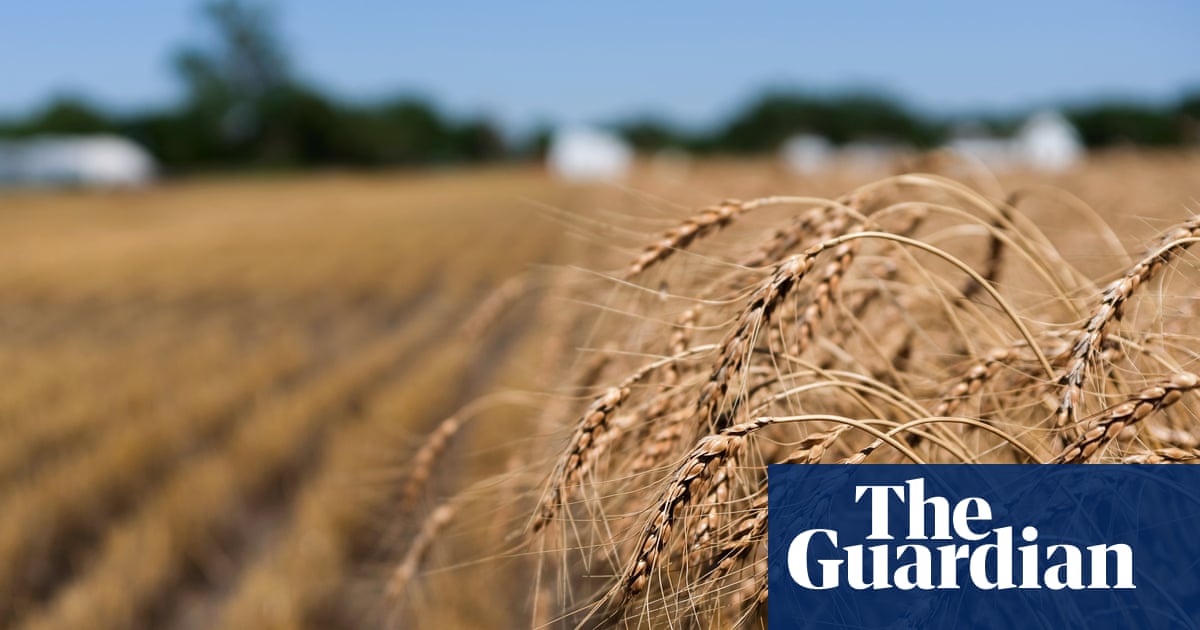
- US wheat farmers report severe losses due to extreme heat and drought across the Plains
- Some farmers in Kansas and beyond opting not to harvest crops
- Temperature swings from 80°F to teens F have stressed developing wheat
US wheat farmers are facing severe losses after extreme heat and drought hit the Plains, leaving many fields in poor condition. In north-central Kansas, farmer Merrill Nielsen planted his 2,500-acre wheat crop in the fall, expecting a good yield after higher-than-normal November rainfall. But conditions worsened as temperatures swung wildly from 70°F to 80°F during winter-to-spring transition days to lows in the teens or low 20s. These erratic temperature swings have stressed the developing wheat, leaving it vulnerable to drought and poor growth.
Extreme weather wreaks havoc on Plains wheat
The Great Plains region, a key wheat-producing area, has been hit hard by the combination of extreme heat and drought. The U.S. Department of Agriculture reports that wheat conditions in states like Kansas, Oklahoma, and Texas have deteriorated rapidly this season. Nielsen, who farms about 50 miles west of Salina, said his crop initially looked promising but now faces significant losses. “It’s the worst time for wheat,” he said. “The stress from these temperature swings is taking a toll.”
Farmers across the region are reporting similar struggles. In Oklahoma, some growers have already decided not to harvest their wheat crops due to the poor conditions. The Texas A&M AgriLife Extension Service has warned that the state’s wheat crop is in critical condition, with some fields yielding less than half of what they normally would. The drought has been particularly severe in western Kansas and parts of Oklahoma, where rainfall has been well below average for months.
Temperature swings and drought hurt wheat development
Wheat requires consistent temperatures and moisture to thrive, especially during the winter and early spring when it is establishing its root system and tillering (developing stems). The erratic temperature swings this season have disrupted this process, leaving plants weak and susceptible to drought stress. Nielsen explained that while the November rains helped initially, the lack of follow-up precipitation and the extreme temperature fluctuations have left the wheat struggling to recover. “We’ve had dry spells before, but never like this,” he said.
The National Oceanic and Atmospheric Administration (NOAA) reports that the Plains region has experienced the driest March in over a century in some areas. The combination of drought and extreme heat has created a perfect storm for wheat farmers. Soil moisture levels are critically low, and the heat has accelerated evaporation, leaving plants without the water they need to grow. In some cases, wheat plants have even turned brown and brittle, signaling severe damage.
Farmers weigh options as harvest approaches
As harvest season approaches, farmers are facing tough decisions. Some, like Nielsen, are considering abandoning their wheat crops entirely due to the poor conditions. Others are harvesting what little they can, hoping to salvage some yield. The Kansas Wheat Commission has advised growers to evaluate their fields carefully and make decisions based on the crop’s current state. “It’s a tough year, but farmers need to be realistic about what they can expect,” said a spokesperson.
The financial impact of these losses could be significant for farmers already struggling with high input costs, including fuel and fertilizer. Many are also dealing with the aftermath of previous years of drought and low commodity prices. The USDA has indicated that it may offer some relief programs, but details are still unclear. For now, farmers are left to navigate the challenges of a season that has already delivered more than its fair share of hardship.
Broader implications for the wheat industry
The struggles in the Plains could have ripple effects across the wheat industry, particularly as global supplies tighten. The U.S. is one of the world’s top wheat exporters, and a poor harvest could impact international markets. Analysts warn that if conditions don’t improve, wheat prices could rise, affecting food prices worldwide. The United Nations Food and Agriculture Organization (FAO) has already noted concerns about global wheat supplies this year, citing droughts in multiple key producing regions.
For US farmers, the season serves as a reminder of the growing challenges posed by climate change. Erratic weather patterns, including extreme heat and drought, are becoming more common, making it harder to predict growing conditions. Nielsen and other farmers in the region hope that future seasons will bring more stable conditions, but for now, they are focused on managing the losses and preparing for the next planting cycle.
What You Need to Know
- Source: The Guardian
- Published: May 08, 2026 at 10:00 UTC
- Category: Environment
- Topics: #guardian · #climate · #environment · #war · #conflict · #temperature
Read the Full Story
This is a curated summary. For the complete article, original data, quotes and full analysis:
All reporting rights belong to the respective author(s) at The Guardian. GlobalBR News summarizes publicly available content to help readers discover the most relevant global news.
Curated by GlobalBR News · May 08, 2026
🇧🇷 Resumo em Português
O sertão brasileiro já conhece de perto os prejuízos da seca, mas agora é o coração agrícola dos Estados Unidos que sente o golpe: produtores de trigo no Meio-Oeste americano enfrentam perdas bilionárias após ondas de calor extremo e estiagem prolongada varreram as Planícies Centrais, obrigando fazendeiros do Kansas a colherem antecipadamente culturas já devastadas. Relatos de safras murchas e preços futuros disparando acendem alertas não só para os agricultores norte-americanos, mas também para os mercados globais de alimentos, que dependem fortemente das exportações daquele país.
No Brasil, onde o agronegócio responde por cerca de 30% do PIB e a soja e o milho são vitais para a balança comercial, a notícia serve como um espelho distante, mas alarmante, dos riscos climáticos que também assolam nossas lavouras. A dependência do mercado internacional e a volatilidade dos preços internacionais de commodities, como o trigo, podem afetar diretamente a inflação e a segurança alimentar brasileira, especialmente em um cenário de El Niño persistente e mudanças climáticas cada vez mais evidentes. Especialistas já alertam que eventos extremos como este nos EUA tendem a se tornar mais frequentes, exigindo investimentos urgentes em tecnologias de adaptação e políticas públicas que mitiguem os impactos na agricultura nacional.
Se os prejuízos nos EUA se concretizarem, o Brasil precisará acelerar estratégias de produção local e estoques reguladores para evitar uma crise de abastecimento e manter os preços sob controle no mercado interno.
The Guardian
Read full article at The Guardian →This post is a curated summary. All rights belong to the original author(s) and The Guardian.
Was this article helpful?


Discussion