Reed Jobs seeks to invest $1bn in UK cancer care after his father’s 2011 death from pancreatic cancer.
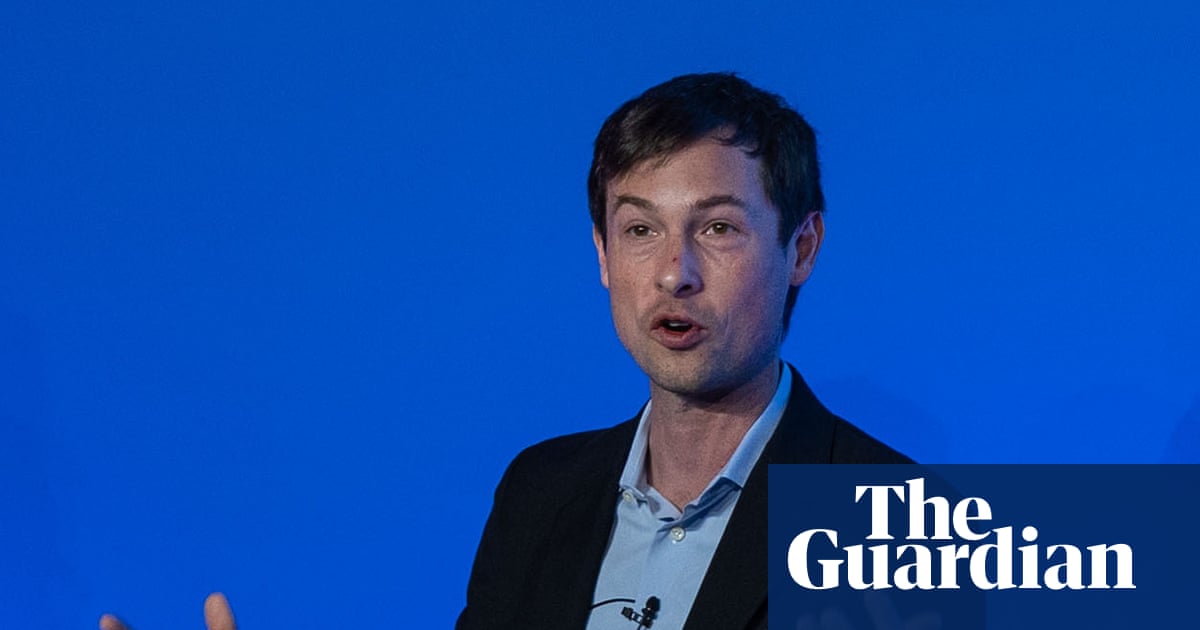
- Reed Jobs plans $1bn investment in UK cancer care via Yosemite fund
- Father Steve Jobs died of pancreatic cancer in 2011 at age 56
- Mission aims to make cancer a non-lethal, treatable disease
Reed Jobs, heir to the Apple fortune and son of co-founder Steve Jobs, announced plans to invest $1bn from his venture capital fund Yosemite into UK cancer care. The move follows the death of Jobs’ father in 2011 from a rare form of pancreatic cancer at age 56. Jobs, who was 12 when his father died, said the experience motivated him to fund research aimed at eliminating cancer as a leading cause of death. “I saw my dad have cancer when I was a kid, and unfortunately that happens far too often,” Jobs told The Guardian. “And that really motivated me to try to transform outcomes for other people out there.”
Yosemite, Jobs’ $1bn fund established in 2023, will prioritize investments in UK-based cancer research and treatment innovations. He highlighted the UK’s cancer research sector as “world class,” citing institutions like the Francis Crick Institute and Cancer Research UK as key partners. “The UK has some of the best minds and facilities in the world,” Jobs said. “We want to support breakthroughs that can change how cancer is treated globally.”
Yosemite Fund targets high-risk, high-reward cancer research
The Yosemite fund, named after the national park, will focus on early-stage startups and cutting-edge therapies, including immunotherapy, gene editing, and precision oncology. Jobs emphasized that the fund’s investments would target treatments that could extend survival rates and reduce side effects. “We’re looking for therapies that not only work but also improve quality of life,” he said. “Too many cancer treatments today come with debilitating side effects.”
Jobs’ announcement comes amid growing concern over rising cancer cases worldwide. The World Health Organization projects global cancer cases to rise by 77% by 2050, driven by aging populations and environmental factors. UK cancer survival rates have improved in recent decades, but disparities persist, particularly in early diagnosis and access to novel treatments. Data from Cancer Research UK shows that while 50% of UK cancer patients survive at least 10 years, survival rates for rarer cancers like pancreatic cancer remain below 10%.
UK government welcomes private investment in cancer care
The UK government has expressed support for private-sector initiatives like Yosemite’s, with Health Secretary Victoria Atkins calling it “a vote of confidence in the UK’s life sciences sector.” Atkins noted that the government had allocated £1bn in its latest budget to cancer research, including £250m for pediatric cancer. “We’re committed to making the UK a global leader in cancer innovation,” she said. Jobs’ investment could accelerate clinical trials and expand access to experimental treatments for patients in the UK and beyond.
Next steps: Partnerships and patient access
Jobs plans to finalize partnerships with UK-based research institutions within the next 12 months. He also emphasized the need for policies that ensure new treatments reach patients quickly. “Speed is critical in cancer care,” Jobs said. “Regulatory hurdles shouldn’t stand in the way of life-saving therapies.” The fund will also explore collaborations with the National Health Service to integrate new treatments into standard care pathways.
While the full impact of Yosemite’s investments remains to be seen, Jobs’ commitment signals a growing trend of high-net-worth individuals channeling private capital into global health challenges. The move could inspire similar initiatives, particularly in areas where public funding falls short. For now, patients and researchers alike will watch closely as Yosemite’s first investments take shape.
What You Need to Know
- Source: The Guardian
- Published: May 16, 2026 at 11:00 UTC
- Category: World
- Topics: #guardian · #world-news · #international · #startups · #venture-capital · #research
Read the Full Story
This is a curated summary. For the complete article, original data, quotes and full analysis:
All reporting rights belong to the respective author(s) at The Guardian. GlobalBR News summarizes publicly available content to help readers discover the most relevant global news.
Curated by GlobalBR News · May 16, 2026
Related Articles
- Eurovision 2024 faces scrutiny over Israel’s participation amid war
- War in the Middle East: Israel targets top Hamas leader in Gaza
- US Justice Department preparing indictment against Raúl Castro
🇧🇷 Resumo em Português
Após perder o pai, Steve Jobs, para o câncer em 2011, Reed Jobs decidiu transformar a dor em ação e anunciou um investimento de US$ 1 bilhão no sistema de saúde britânico para revolucionar o tratamento da doença. O herdeiro da Apple não apenas mira em equipamentos de ponta e novas tecnologias, mas busca criar um modelo de assistência que possa redefinir os índices de sobrevivência em todo o Reino Unido, onde o câncer ainda é uma das principais causas de morte.
O anúncio ganha relevância global ao propor uma abordagem inovadora em um cenário onde o câncer continua a ceifar milhões de vidas anualmente, inclusive no Brasil, onde a doença já é a segunda maior causa de óbitos. No país, a fila por tratamentos no SUS (Sistema Único de Saúde) supera a marca de 100 mil pacientes, enquanto a iniciativa de Jobs poderia inspirar modelos mais ágeis e tecnológicos de combate à doença. Além disso, o investimento em pesquisa e infraestrutura no exterior pode abrir caminhos para parcerias internacionais que beneficiem nações em desenvolvimento, como o Brasil, onde o acesso a terapias avançadas ainda é desigual.
Se o projeto vingar, a ambição de “acabar com o câncer como causa de morte” poderá se tornar realidade não só no Reino Unido, mas também em outros países — inclusive o Brasil — que buscam alternativas para um sistema de saúde mais eficiente e humano.
🇪🇸 Resumen en Español
Reed Jobs, hijo del legendario cofundador de Apple Steve Jobs, ha anunciado una ambiciosa inversión de mil millones de dólares en el sistema de salud británico para revolucionar el tratamiento contra el cáncer, un proyecto personal que surge tras la pérdida de su padre por esta enfermedad hace más de una década. La iniciativa, que busca “erradicar el cáncer como causa de muerte”, se presenta como un faro de esperanza en la lucha contra una de las principales causas de mortalidad global.
El plan, que aún requiere detalles concretos sobre su implementación, llega en un momento crítico para los servicios sanitarios del Reino Unido, donde la presión por listas de espera y la necesidad de innovación en oncología son cada vez más evidentes. Para los hispanohablantes, especialmente en un contexto donde el cáncer sigue siendo una de las principales amenazas para la salud pública, la noticia plantea interrogantes sobre el alcance de este tipo de inversiones privadas y su posible réplica en otros sistemas sanitarios, como el español o el latinoamericano, donde la accesibilidad a tratamientos avanzados sigue siendo un desafío. Además, reflota el debate sobre el papel de la filantropía tecnológica en la sanidad pública y hasta qué punto puede compensar las carencias crónicas de los sistemas de salud tradicionales.
The Guardian
Read full article at The Guardian →This post is a curated summary. All rights belong to the original author(s) and The Guardian.
Was this article helpful?


Discussion