Syria demands Israel return to the 1974 security agreement and withdraw from seized territories during Brussels talks.
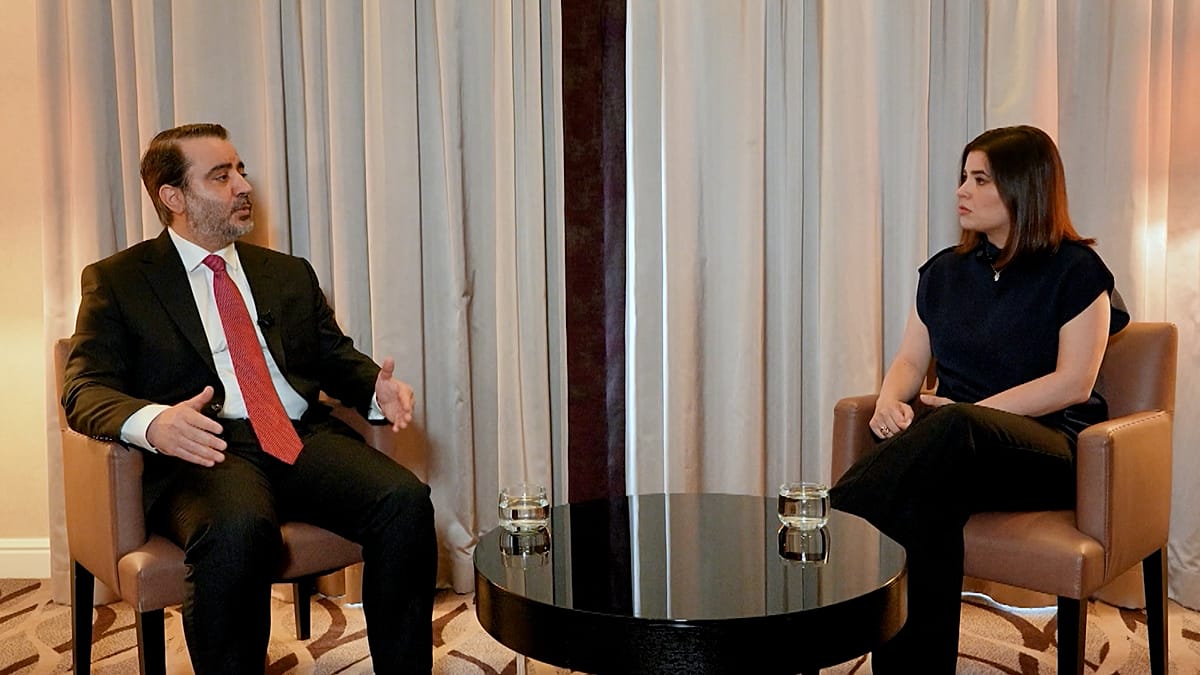
- Syria’s foreign minister urges revival of the 1974 Israel-Syria security pact
- Demands include Israeli withdrawal from occupied territories
- Remarks made during Brussels meetings with EU officials
Syria’s foreign minister Mohammed al-Shaibani has called for the immediate revival of the 1974 Israel-Syria Disengagement Agreement during high-level political talks in Brussels. The demand for Israel’s withdrawal from occupied territories was central to al-Shaibani’s remarks, which coincided with the first high-level dialogue between Damascus and the European Union in years.
Al-Shaibani’s comments were delivered on the sidelines of political consultations aimed at addressing regional security challenges. The Syrian minister emphasized the need for a ‘comprehensive security agreement’ to stabilize relations with Israel, framing the 1974 accord as a foundation for future negotiations. The 1974 agreement, brokered by the United Nations after the 1973 Yom Kippur War, established a UN-monitored buffer zone in the Golan Heights.
Syrian demands and regional context
The push for renewed talks comes amid escalating tensions in the Middle East, including Israel’s ongoing military operations in Gaza and the West Bank. Syria has repeatedly accused Israel of occupying the Golan Heights, a territory it seized during the 1967 Six-Day War. Israel has maintained control over the Golan Heights since 1981, though its annexation has never been internationally recognized.
Brussels has taken a cautious approach to the Syrian government, which has been isolated diplomatically since the outbreak of the civil war in 2011. However, the EU has gradually reopened channels with Damascus, including humanitarian aid and limited political engagement. The latest talks focused on Syria’s role in regional security and the potential for a broader peace process.
International reactions and historical precedents
Israel has not publicly responded to al-Shaibani’s remarks, though the country has previously signaled willingness to negotiate security arrangements under certain conditions. The 1974 agreement remains the only formal security pact between Israel and Syria, and its collapse in the 1980s marked a period of prolonged hostility.
The U.S. and European Union have historically supported a return to the 1974 framework as a confidence-building measure. However, the current geopolitical climate—including Iran’s influence in Syria and Israel’s security concerns—complicates any potential negotiations. Analysts suggest that Syria’s demand for withdrawal from occupied territories may face significant resistance from Israel.
What happens next
The EU has not confirmed whether the revival of the 1974 agreement will be formally discussed in future meetings. Al-Shaibani’s remarks, however, signal Syria’s intent to push for a structured dialogue on security. The outcome could hinge on broader regional developments, including ceasefire agreements and international mediation efforts.
For now, Syria’s call for a return to the 1974 security deal adds a new layer to the complex Middle East peace process. The next round of talks between Damascus and Brussels is expected to clarify whether concrete steps will follow.
What You Need to Know
- Source: Euronews
- Published: May 13, 2026 at 17:36 UTC
- Category: World
- Topics: #euronews · #europe · #world-news · #syria · #israel · #shaibani
Read the Full Story
This is a curated summary. For the complete article, original data, quotes and full analysis:
All reporting rights belong to the respective author(s) at Euronews. GlobalBR News summarizes publicly available content to help readers discover the most relevant global news.
Curated by GlobalBR News · May 13, 2026
Related Articles
- Eurovision 2024 faces scrutiny over Israel’s participation amid war
- US proposes 40% cut in Colorado River water for 3 states amid drought
- US-Nigeria joint strike kills ISIS leader in West Africa: Report
🇧🇷 Resumo em Português
A Síria reacendeu uma antiga chama nas relações com Israel ao exigir, em reuniões de alto nível em Bruxelas, o retorno ao acordo de segurança de 1974 — um tratado que, décadas atrás, estabeleceu uma trégua frágil entre os dois países após a Guerra do Yom Kippur. A proposta, apresentada pelo ministro das Relações Exteriores sírio, Fayssal Mekdad, não é apenas um gesto diplomático, mas um apelo para reverter anos de tensão e hostilidade, enquanto a região assiste a uma escalada de conflitos e incertezas.
O acordo de 1974, assinado sob a égide da ONU e mediado pelos Estados Unidos, previa a retirada das forças israelenses das Colinas de Golã — território sírio ocupado desde 1967 — e a criação de uma zona desmilitarizada supervisionada por forças de paz. Para o Brasil, que mantém relações históricas com ambos os lados e abriga uma das maiores diásporas árabes do mundo, a retomada das negociações pode ter implicações diretas, especialmente em um contexto global onde a estabilidade no Oriente Médio afeta fluxos migratórios, preços de commodities e até a segurança energética. Além disso, a aproximação síria com a União Europeia, representada em Bruxelas, reforça a necessidade de o Brasil acompanhar de perto os desdobramentos, dada sua atuação como mediador em crises internacionais.
Se a diplomacia síria conseguir reativar o tratado de 1974, o gesto poderia pavimentar o caminho para um cessar-fogo mais duradouro — ou, ao menos, abrir espaço para novas negociações, ainda que o histórico de conflitos e a ocupação israelense das Colinas de Golã permaneçam como obstáculos imensos.
🇪🇸 Resumen en Español
Siria apuesta por reactivar un histórico acuerdo de seguridad con Israel de 1974 en una cumbre en Bruselas. En una jugada diplomática cargada de simbolismo, el ministro de Exteriores sirio instó a revivir un pacto que, décadas atrás, sentó las bases para una frágil tregua entre ambos países, abriendo un debate sobre el futuro de Oriente Medio.
El contexto no puede ser más delicado: el acuerdo de 1974, firmado tras la guerra de Yom Kipur, estableció una zona de separación supervisada por la ONU y marcó un punto de inflexión en las tensas relaciones entre Damasco y Tel Aviv. Su posible reactivación no solo aliviaría la presión en una región asolada por conflictos, sino que también podría redefinir el papel de Europa en la mediación de crisis olvidadas. Para los hispanohablantes, la noticia resuena especialmente por el precedente histórico que evoca —similar a otros acuerdos de paz que han marcado épocas— y por la pregunta clave: ¿hasta qué punto la diplomacia puede frenar el ciclo de violencia en una zona que lleva décadas en guerra?
Euronews
Read full article at Euronews →This post is a curated summary. All rights belong to the original author(s) and Euronews.
Was this article helpful?


Discussion