Walmart serves 90% of Americans within 10 miles of a store, giving it a clear advantage in the $1 trillion rural e-commerce market.
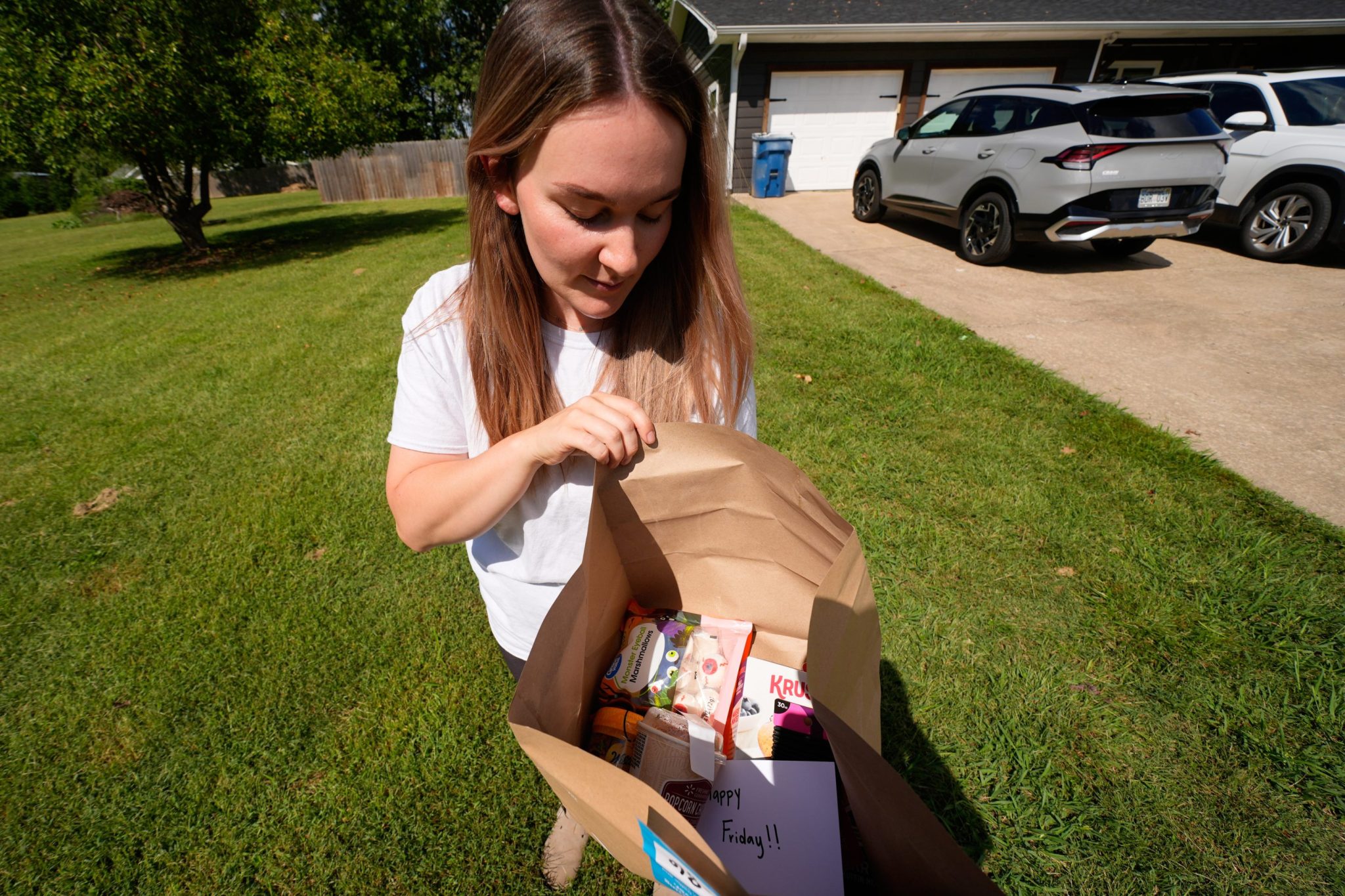
- Walmart has 90% of Americans within 10 miles of a store
- 45% of Walmart Supercenters are in towns under 20,000 people
- Morgan Stanley estimates rural market worth up to $1 trillion annually
Walmart Inc. Walmart is building an unbeatable lead over Amazon.com Inc. Amazon in the race to dominate rural e-commerce, where both retailers see untapped profit potential. A new report from investment bank Morgan Stanley Morgan Stanley reveals that roughly 90% of U.S. residents live within 10 miles of a Walmart store, giving the retail giant unparalleled reach in small towns and remote communities long overlooked by major chains. Nearly half of Walmart’s full-service Supercenters are located in towns with populations under 20,000, according to the analysis, which pegs the rural e-commerce market at up to $1 trillion in annual sales. Morgan Stanley’s data underscores how Walmart’s sprawling brick-and-mortar footprint has become a strategic asset as consumer habits shift toward online shopping and last-mile delivery in less densely populated areas. The report highlights Walmart’s aggressive expansion of its grocery pickup and delivery services, which have become critical drivers of growth in rural markets where shoppers prioritize convenience and affordability. Industry analysts say Walmart’s physical store network allows it to offer faster delivery times and lower shipping costs than Amazon, which has historically focused on urban and suburban markets. Walmart’s rural dominance comes as remote work trends push more Americans to relocate outside major cities, creating new demand for reliable e-commerce solutions in small towns. The retailer has invested heavily in expanding its supply chain infrastructure, including the rollout of automated fulfillment centers designed to cut delivery times in half for online orders. ## Walmart’s supply chain gives it edge over Amazon in rural e-commerce Walmart’s supply chain advantages are becoming a key differentiator in its competition with Amazon for rural shoppers. The company’s extensive network of distribution centers and stores positioned within 10 miles of most Americans enables same-day and next-day delivery in areas where Amazon often struggles with logistics costs and delivery speed. Walmart’s grocery business, which accounts for nearly 70% of its e-commerce growth, has been a major driver of its rural expansion strategy, offering farm-fresh produce and household essentials that resonate with small-town consumers. Amazon, by contrast, has relied more on third-party sellers and its Prime membership program to drive rural sales, but its delivery network remains less dense in remote areas. Walmart’s ability to leverage its stores as mini-fulfillment hubs allows it to cut shipping costs by an estimated 30% compared to Amazon’s traditional warehouse model, according to retail analysts. The company’s recent push into drone deliveries in select rural markets further solidifies its lead in accessibility, though regulatory hurdles remain a challenge. ## Amazon ramps up rural delivery efforts to catch up Walmart’s head start has forced Amazon to accelerate its rural delivery initiatives, but the e-commerce giant faces significant obstacles in closing the gap. Amazon’s primary delivery network, which relies on a mix of its own logistics and third-party carriers, has struggled to match Walmart’s cost efficiency in less populated regions. The company has experimented with various strategies, including partnering with local post offices and expanding its Amazon Fresh pickup locations, but analysts say these efforts have yet to match Walmart’s scale. Amazon’s recent acquisition of a regional airline to bolster its air cargo network is seen as a direct response to Walmart’s supply chain dominance, but the impact of these investments remains unclear. Retail experts note that Amazon’s reliance on high-volume, low-margin sales in rural areas may not generate the same profitability as Walmart’s integrated retail model. Walmart’s ability to combine online and in-store shopping experiences—such as curbside pickup and in-store returns for online orders—has also given it an edge in customer loyalty, particularly among older demographics that dominate rural America. The competition for rural shoppers is intensifying as both retailers recognize that small-town America represents one of the last major growth opportunities in e-commerce. Analysts predict that the winner of this battle will set the standard for rural delivery logistics for years to come, with implications for everything from grocery sales to prescription drug delivery. While Walmart currently holds the upper hand, Amazon’s deep pockets and innovation culture mean the race is far from over. The coming years will determine whether Walmart can maintain its lead or if Amazon’s aggressive expansion efforts will finally level the playing field in rural e-commerce.
What You Need to Know
- Source: Fortune
- Published: May 16, 2026 at 14:15 UTC
- Category: Business
- Topics: #fortune · #business · #economy · #walmart · #amazon · #americans
Read the Full Story
This is a curated summary. For the complete article, original data, quotes and full analysis:
All reporting rights belong to the respective author(s) at Fortune. GlobalBR News summarizes publicly available content to help readers discover the most relevant global news.
Curated by GlobalBR News · May 16, 2026
Related Articles
- Kevin O’Leary: Gen Z founders working 18-hour days make ‘no sense’
- Lawyers sanctioned $110K for fake AI citations in landmark Oregon case
- Taiwan arms sales top Trump-Xi talks agenda as Xi meet ends
🇧🇷 Resumo em Português
A gigante varejista Walmart acaba de mostrar por que Amazon e concorrentes ainda têm muito chão pela frente no e-commerce: 9 em cada 10 americanos moram a menos de 16 quilômetros de uma de suas lojas, um trunfo logístico que a transformou em um gigante invisível no mercado digital.
O modelo de distribuição do Walmart, com cerca de 4.600 pontos físicos espalhados pelos EUA, permite entregas rápidas e baratas, especialmente em regiões afastadas dos grandes centros — justamente onde a Amazon enfrenta desafios logísticos. No Brasil, onde a logística ainda é um gargalo histórico para o e-commerce, a estratégia do Walmart soa como lição: a proximidade com o cliente reduz custos e acelera entregas, algo que o varejo brasileiro, ainda dependente de grandes centros como São Paulo e Rio, poderia estudar com atenção. Além disso, a guerra dos preços e a busca por eficiência mostram que, mesmo em um mundo cada vez mais digital, a presença física ainda faz toda a diferença.
Agora, a pergunta que fica é: até quando a Amazon conseguirá manter seu ritmo de expansão sem uma rede de distribuição tão capilarizada quanto a do Walmart?
🇪🇸 Resumen en Español
El gigante minorista Walmart ha tomado ventaja en la carrera del comercio electrónico con un argumento imbatible: el 90% de los estadounidenses vive a menos de 16 kilómetros de una de sus tiendas físicas. En un sector donde la logística y la proximidad marcan la diferencia, el gigante de Arkansas está demostrando que su extensa red de supermercados puede ser su mejor aliado frente a Amazon.
Esta estrategia no solo refuerza su posición en zonas rurales —un territorio históricamente descuidado por el comercio digital—, sino que le permite ofrecer servicios clave como la recogida en tienda o la entrega el mismo día, ventajas que Amazon aún no ha logrado igualar de forma masiva. Para los consumidores hispanohablantes, especialmente en regiones con menos cobertura logística tradicional, la apuesta de Walmart puede traducirse en precios más competitivos, mayor accesibilidad y una experiencia de compra más flexible, consolidando su liderazgo en un mercado en constante evolución.
Fortune
Read full article at Fortune →This post is a curated summary. All rights belong to the original author(s) and Fortune.
Was this article helpful?



Discussion