Tesla robotaxis crashed twice while driven by remote operators in Austin, Texas.
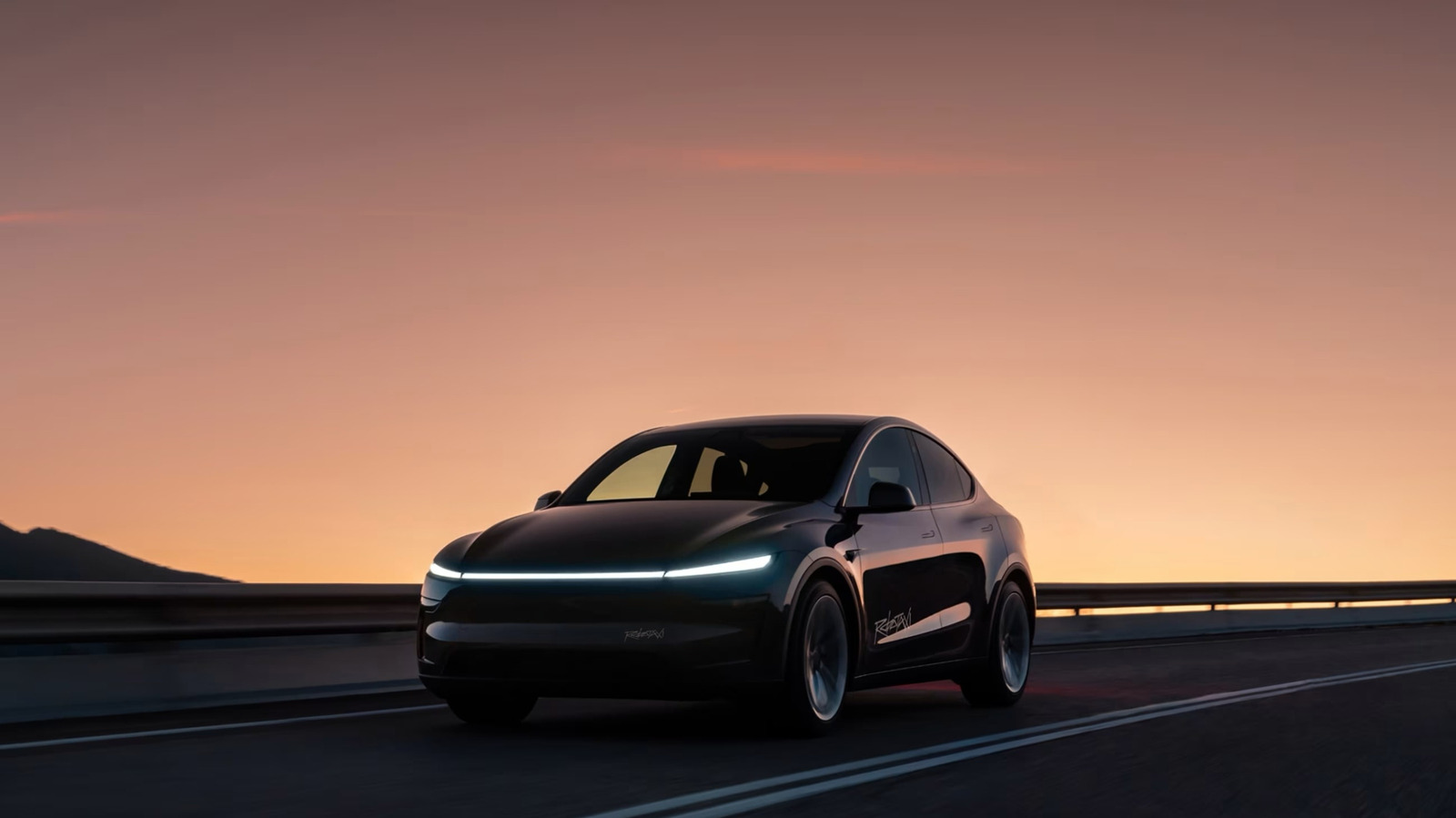
- NHTSA released unredacted robotaxi crash data for the first time in May 2026
- Two crashes in Austin involved teleoperators driving robotaxis remotely
- Tesla's robotaxi service started in June 2025 but faces persistent delays
Tesla’s robotaxi program took a bruising hit this week after newly unredacted crash reports revealed two incidents where vehicles were being remotely driven by teleoperators at the moment of impact. The National Highway Traffic Safety Administration NHTSA released the long-withheld data on May 15, 2026, showing that both crashes occurred in Austin, Texas—where Tesla first launched its robotaxi service in June 2025. In both cases, no passengers were onboard, and safety monitors were present behind the wheel, though they weren’t in control when the crashes happened. The first incident in July 2025 involved a remote operator taking over after a safety monitor requested help, then accelerating the vehicle and crashing into a metal fence. The second, in January 2026, saw a teleoperator hit a temporary construction barricade at about 9 mph. Tesla confirmed to lawmakers in March 2025 that remote operators can take direct control of robotaxis, a practice that distinguishes its approach from most competitors, who typically use remote workers only for supervision rather than active driving. The company hasn’t commented publicly on the new crash reports. Tesla’s robotaxi service has faced growing scrutiny not just over safety but also reliability. A Reuters report this spring highlighted chronic wait times—sometimes stretching hours—for riders in Dallas, where the service expanded in late 2025. Even when a car finally arrives, riders often find the software stumbles over basic tasks. TechCrunch’s review of incident reports found additional crashes where robotaxis clipped mirrors on other vehicles or failed to avoid animals, including one close call with a dog that survived. Those crashes didn’t involve teleoperators, suggesting Tesla’s autonomous driving system still struggles with common real-world obstacles. The company’s Full Self-Driving (FSD) Beta software, which powers the robotaxis, remains controversial. Regulators have repeatedly criticized Tesla for overstating its capabilities, and the NHTSA has opened multiple investigations into crashes involving FSD-equipped vehicles. Tesla’s robotaxi initiative is central to its long-term business plan, especially as traditional car sales slow. The company has pitched the service as a way to monetize its fleet without relying on drivers, but the latest crash data raises fresh questions about whether the technology is ready—or whether Tesla’s reliance on remote operators is masking deeper flaws in its autonomy stack. The Austin crashes aren’t isolated outliers. Industry analysts say teleoperators are a stopgap, not a solution, used when automated systems fail. Unlike Waymo Waymo or Cruise Cruise, which deploy teleoperators only for emergency assistance, Tesla appears to lean on remote drivers more frequently. That could explain the shorter wait times in Austin compared to other markets, but it also suggests Tesla’s self-driving software isn’t yet robust enough to handle edge cases on its own. The NHTSA’s decision to release unredacted data follows pressure from lawmakers and safety advocates who argue Tesla has hidden too much for too long. The agency now faces calls to tighten oversight of robotaxi programs nationwide. Tesla’s robotaxi service is still in its experimental phase, with limited availability and strict geographic boundaries. Even so, the crashes underscore how far the company—and the industry—still has to go before fully autonomous ride-hailing becomes a reality. Until then, teleoperators will remain a crutch, and Tesla’s promise of effortless, driverless mobility will keep feeling just out of reach.
What You Need to Know
- Source: Engadget
- Published: May 15, 2026 at 21:50 UTC
- Category: Gadgets
- Topics: #engadget · #gadgets · #reviews · #tesla · #july · #tesla-robotaxi-crashes
Read the Full Story
This is a curated summary. For the complete article, original data, quotes and full analysis:
All reporting rights belong to the respective author(s) at Engadget. GlobalBR News summarizes publicly available content to help readers discover the most relevant global news.
Curated by GlobalBR News · May 15, 2026
🇧🇷 Resumo em Português
Tesla empaca de novo: robótaxis da marca registram dois acidentes enquanto ainda dependem de operadores remotos nos EUA.
Dados recém-divulgados pela NHTSA, agência de segurança no trânsito dos Estados Unidos, revelam que os protótipos de robótaxis da Tesla sofreram dois acidentes em Austin, Texas, mesmo quando ainda eram controlados por operadores humanos à distância. O serviço, prometido como revolucionário, segue enfrentando atrasos e problemas técnicos, colocando em xeque o cronograma da empresa liderada por Elon Musk para lançar uma frota completamente autônoma.
No Brasil, onde a Tesla tem expandido sua presença com vendas e inauguração de supercarregadores, a notícia reforça dúvidas sobre a viabilidade imediata da tecnologia no mercado local. Embora o país ainda não tenha regulamentação específica para veículos autônomos de nível 4 ou 5, o apelo por soluções de mobilidade inteligente cresce, especialmente em grandes cidades congestionadas. A demora da Tesla em resolver problemas básicos de segurança pode adiar ainda mais a chegada desses serviços por aqui.
O próximo passo será observar se a empresa consegue superar os obstáculos técnicos e regulatórios nos EUA, já que o sucesso lá pode acelerar ou frear as ambições da marca no Brasil.
Engadget
Read full article at Engadget →This post is a curated summary. All rights belong to the original author(s) and Engadget.
Was this article helpful?

Discussion