Former Kremlin official admits Russian elites now imagine a future without Putin as Kremlin seizes their assets.
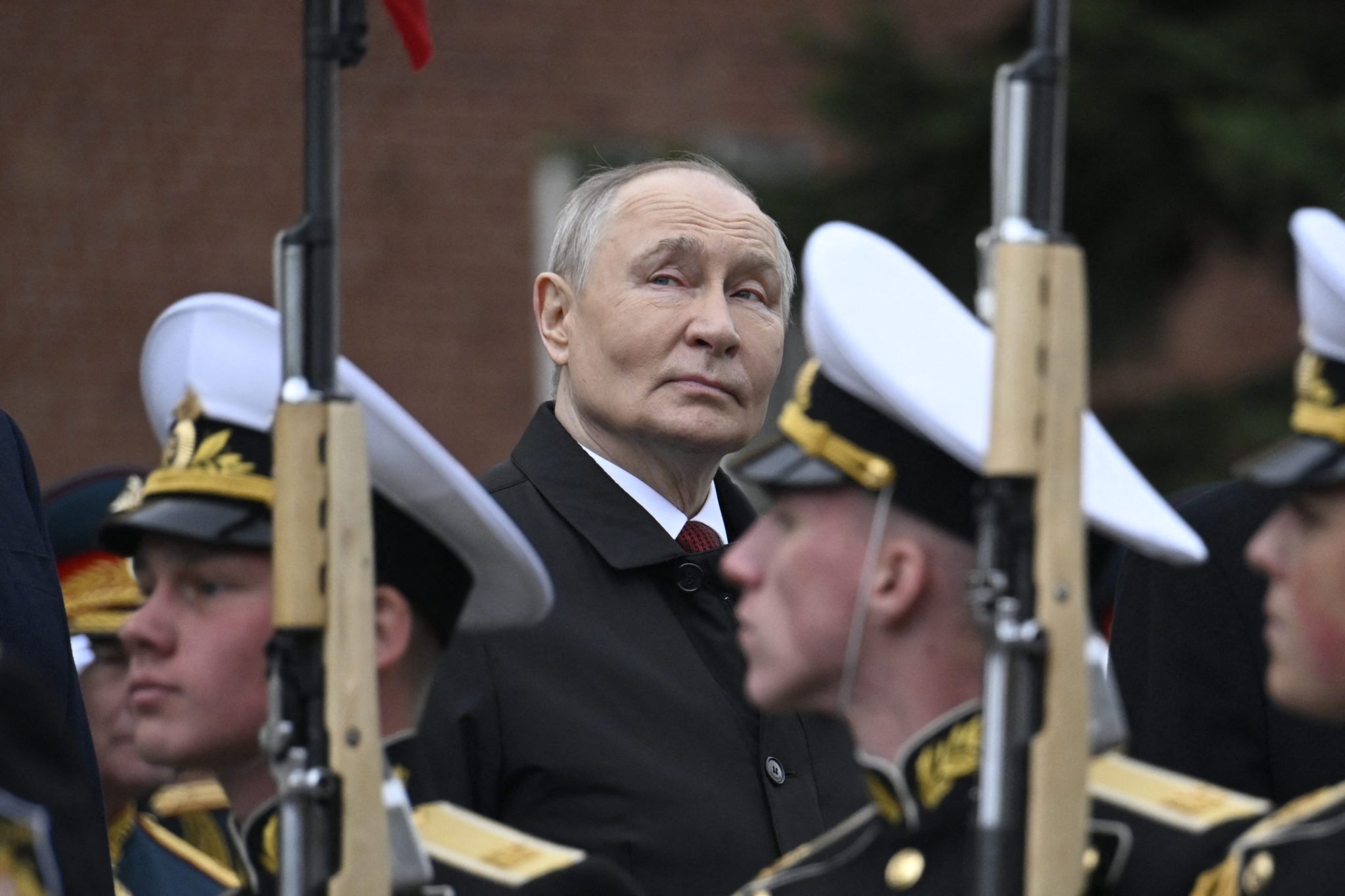
- Former Kremlin official says Russian elites no longer see Putin as the country's future
- Elites stopped using 'we' for Putin's actions, signaling detachment last spring
- Kremlin still controls repression but has stopped pushing Putin's narrative
A former senior Kremlin official just admitted something rare: Russia’s elites no longer see President Vladimir Putin as the man who can shape their country’s future. In an anonymous op-ed for The Economist, the ex-official wrote that Moscow’s power brokers, regional governors, and business leaders have quietly stopped using the first person plural when talking about Putin’s decisions. Instead of saying “we did this,” they now say “he did this,” a small but meaningful shift that signals waning loyalty without signaling an imminent revolt. That change became clear last spring but doesn’t mean rebellion is brewing—Putin’s regime still controls the levers of fear and repression too tightly for anyone to challenge him openly. At the same time, the Kremlin has stopped even trying to sell Putin’s narrative anymore. State media used to repeat his talking points endlessly; now, it’s just quiet. That silence speaks volumes about how thin support for Putin has become among the people who once benefited most from his rule. The op-ed didn’t name names, but the message is clear: Russia’s insiders are hedging their bets, and that’s dangerous for Putin long-term. When elites stop believing in a leader’s ability to lead, the system starts to rot from the inside out, even if no one dares say it out loud yet. The former official stressed that this isn’t a call for revolution—just an observation that Putin’s grip is slipping in ways that matter more than protests ever could. He pointed to something even more concrete than words: the Kremlin’s recent habit of seizing assets from oligarchs and regional leaders who’ve fallen out of favor. It’s not just about silencing critics anymore; it’s about sending a message that even the inner circle can’t take their loyalty for granted. Last year, Yevgeny Prigozhin—the late Wagner Group leader—staged a brief mutiny that exposed cracks in Putin’s control. Since then, the crackdown has only gotten harsher, but the seizures of yachts, property, and bank accounts aren’t just about money. They’re about control, and they’re driving home a point: Putin’s regime is becoming more erratic, not more stable. Even the people who’ve built their fortunes under his watch now realize they could lose everything overnight. The former official didn’t sugarcoat it: Putin’s rule has led Russia into a dead end, and the elites know it. They’re not ready to risk their lives to save him, but they’re also not ready to save him either. That’s a dangerous middle ground for any autocrat. The op-ed’s timing matters too. It came out as Russia faces another brutal year of war in Ukraine, sanctions strangling its economy, and a brain drain of skilled workers fleeing the country. Putin’s propaganda still dominates the airwaves, but the people who actually run things in Moscow are quietly recalculating. The former official didn’t say when—or if—that recalculation would turn into action. But history shows that when elites stop believing in a leader’s invincibility, the fall can come faster than anyone expects. For now, Putin still has the tanks, the prisons, and the propaganda. But he no longer has the unspoken loyalty of the people who used to prop him up. And that might be even harder to replace.
What You Need to Know
- Source: Fortune
- Published: May 16, 2026 at 22:07 UTC
- Category: Business
- Topics: #fortune · #business · #economy · #politics · #government · #former
Read the Full Story
This is a curated summary. For the complete article, original data, quotes and full analysis:
All reporting rights belong to the respective author(s) at Fortune. GlobalBR News summarizes publicly available content to help readers discover the most relevant global news.
Curated by GlobalBR News · May 16, 2026
Related Articles
- Kevin O’Leary: Gen Z founders working 18-hour days make ‘no sense’
- Lawyers sanctioned $110K for fake AI citations in landmark Oregon case
- USS Gerald R. Ford ends 11-month deployment, longest since Vietnam
🇧🇷 Resumo em Português
Um ex-alto funcionário russo admitiu que o país está “cansado de Putin” e que até mesmo as elites já vislumbram um futuro sem o líder, em meio à onda de prisões e confisco de bens de oligarcas pelo Kremlin. A revelação, feita por um ex-membro do governo que pediu anonimato, expõe uma crise silenciosa na cúpula do poder russo, onde a repressão se intensifica justamente quando a confiança no presidente enfraquece.
No Brasil, este cenário desperta atenção não apenas pela geopolítica, mas porque reflete um fenômeno recorrente em regimes autoritários: a erosão do apoio interno quando a repressão substitui a legitimidade. Para o leitor brasileiro, acostumado a debates sobre democracia e direitos humanos, a notícia serve como um alerta sobre como a concentração de poder pode levar a exceções cada vez mais brutais — e como até os aliados históricos do líder podem se tornar alvos. Além disso, a dependência da Rússia em relação ao seu modelo econômico, baseado em recursos naturais e controle estatal, contrasta com a realidade brasileira, que, embora também enfrente desafios, mantém instituições mais resilientes.
A próxima etapa será observar se as medidas repressivas do Kremlin conseguirão sufocar as dissidências ou se, ao contrário, acelerarão a queda de Putin — um desfecho que, se concretizado, redefiniria não só o futuro da Rússia, mas também o equilíbrio de forças na Europa e no mundo.
🇪🇸 Resumen en Español
La fractura interna del poder ruso se hace más evidente que nunca, con un ex alto cargo del Kremlin rompiendo el silencio para advertir que las élites ya no ven a Putin como el futuro de Rusia, mientras el régimen acelera la expropiación de sus bienes.
Esta confesión pública, inédita en un sistema donde la disidencia interna suele pagarse con prisión o muerte, revela el creciente malestar entre los círculos cercanos al presidente, especialmente tras el envite de las sanciones occidentales y el cada vez más costoso mantenimiento de la guerra en Ucrania. Para los hispanohablantes, el mensaje es claro: el apoyo al líder ruso, incluso en su círculo íntimo, se desvanece, y las expropiaciones de oligarcas —antes intocables— reflejan un régimen cada vez más desesperado por sostener su poder. La pregunta ahora es hasta dónde llegará esta fisura antes de que el sistema colapse o, por el contrario, endurezca su represión.
Fortune
Read full article at Fortune →This post is a curated summary. All rights belong to the original author(s) and Fortune.
Was this article helpful?

Discussion